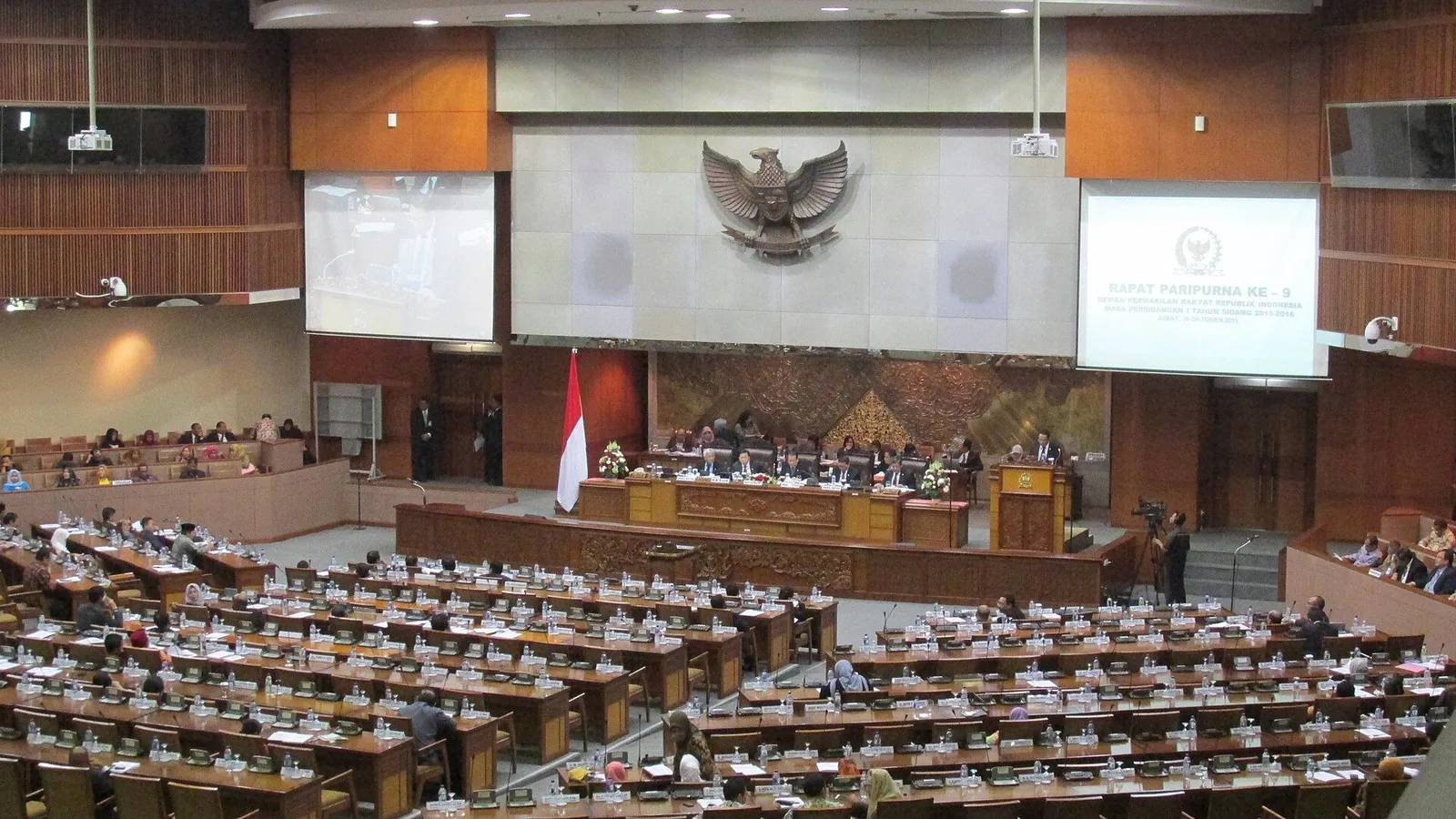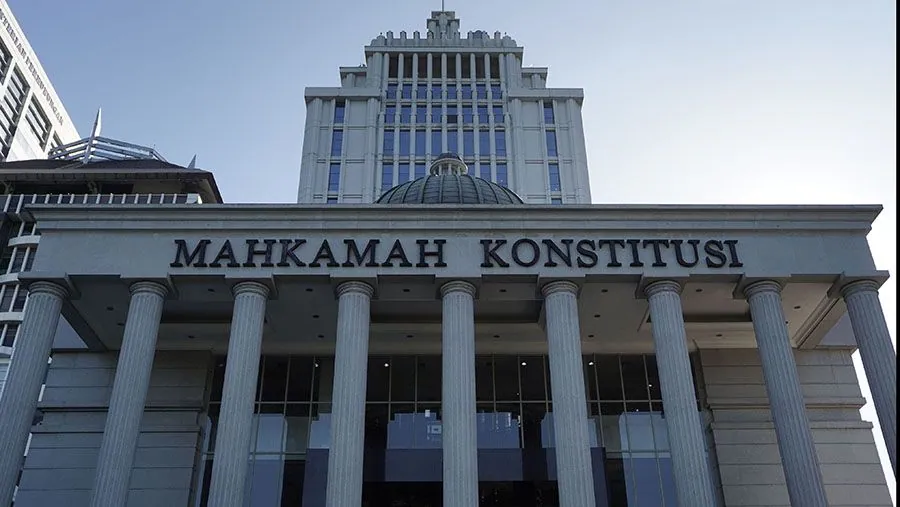
Indonesia’s Constitutional Court postponed a hearing on Thursday, November 19, in a case that could reshape the legal exception allowing land clearing by fire under local customary practices. According to the court’s own account, representatives of both the House of Representatives and the president said they were not ready to give their testimony. The court has not ruled on the petition, and the postponement is not a finding that either institution has breached the law.
The dispute is consequential because it sits at the intersection of two protected interests: communities’ ability to maintain traditional farming practices and the public’s right to breathe clean air. A rule that is too loose may leave room for destructive burning to be justified as custom. A rule that is too restrictive may impose burdens on subsistence farmers while failing to address commercial-scale fires.
What happened in court
Chief Justice Suhartoyo said the hearing in case 391/PUU-XXIV/2026 was scheduled to hear the legislature and the executive, but both requested more time because their submissions were not ready, the Constitutional Court reported on November 19. The hearing was therefore postponed. The court’s report does not establish why their preparations were incomplete or whether the delay will materially affect the ultimate judgment.
The petition challenges Article 69(2) of Law 32/2009 on Environmental Protection and Management, as amended through the Job Creation legislation, and its explanation. The general law prohibits clearing land by burning but makes an exception for people who seriously observe local wisdom. The explanation describes burning no more than two hectares per household, planting local varieties and using firebreaks.
Those conditions are important, but they do not guarantee that smoke remains within a plot. The applicants argue that fire can spread with changing wind, dry vegetation and weather, while smoke can travel beyond the field even if a firebreak prevents flames spreading. These are arguments before the court, not judicial findings.
What the applicants want
Court records identify Bima Sadiropa Sijabat, Muh. Adam Arrofiu Arfah and Mirzan Salim as applicants. Their alternative request is for the exception to be interpreted as requiring a permit from the relevant authority, together with supervision before, during and after burning. They argue that stronger safeguards are needed to prevent environmental and health damage.
The proposed permit requirement raises a separate practical question. How would a small farmer in a remote community obtain permission promptly and affordably? Would administrative discretion disadvantage communities with weak documentation of customary land rights? The available reports do not answer these questions. They are essential tests of whether a safeguard could work fairly in practice.
The court is considering a legal interpretation, not deciding whether any named company or individual started a particular fire. No such allegation should be inferred from the hearing.
Who bears the risks
Smoke from forest and land fires can aggravate respiratory and cardiovascular conditions. The Constitutional Court’s account specifically identifies children, infants, older people, pregnant women and people with chronic illnesses as more vulnerable. Residents who neither burned land nor benefited from burning can still bear its health costs.
At the same time, customary cultivation is not equivalent to commercial land conversion. Restrictions designed to control emissions must distinguish the scale, purpose and actual environmental impact of activities. An exemption should not become a loophole for business operators, but neither should all traditional farmers be presumed responsible for regional haze.
The distinction also matters for enforcement. Authorities would need reliable evidence about who burned what, under which authorization, and with what consequences. A legal rule alone cannot replace investigation, monitoring, fire prevention and transparent sanctions.
A wider enforcement context
In an October 19 statement, the Forestry Ministry said it had imposed administrative sanctions on 32 companies associated with 12,926.74 hectares of burned concession areas and was pursuing criminal processes involving 120 legal subjects. These are ministry-reported enforcement figures, not proof that all subjects have been convicted or that every hectare resulted from criminal conduct.
The figures underline why the debate cannot be reduced to customary farmers. Corporate compliance, land management and public enforcement are separate but related questions. Independent assessment of completed restoration and final case outcomes would be necessary to judge enforcement effectiveness.
What remains unknown
The publicly available court summary does not provide a new hearing date or full written responses from the government and House. Nor does it provide a comprehensive assessment of the costs of introducing permits for customary burning. Until the judges decide, the existing legal framework remains the relevant reference; a petition does not itself amend the law.
The next meaningful developments are the rescheduled hearing, the government’s and parliament’s legal arguments, and ultimately the court’s reasoning. Readers should distinguish the applicants’ requested remedy, the existing exception and any binding ruling that may follow.
This story draws on the Constitutional Court’s November 19 hearing account and November 9 account of the amended petition, the published text and arguments reported by the court, independent reporting by ANTARA and CNN Indonesia, and the Forestry Ministry’s October enforcement statement.