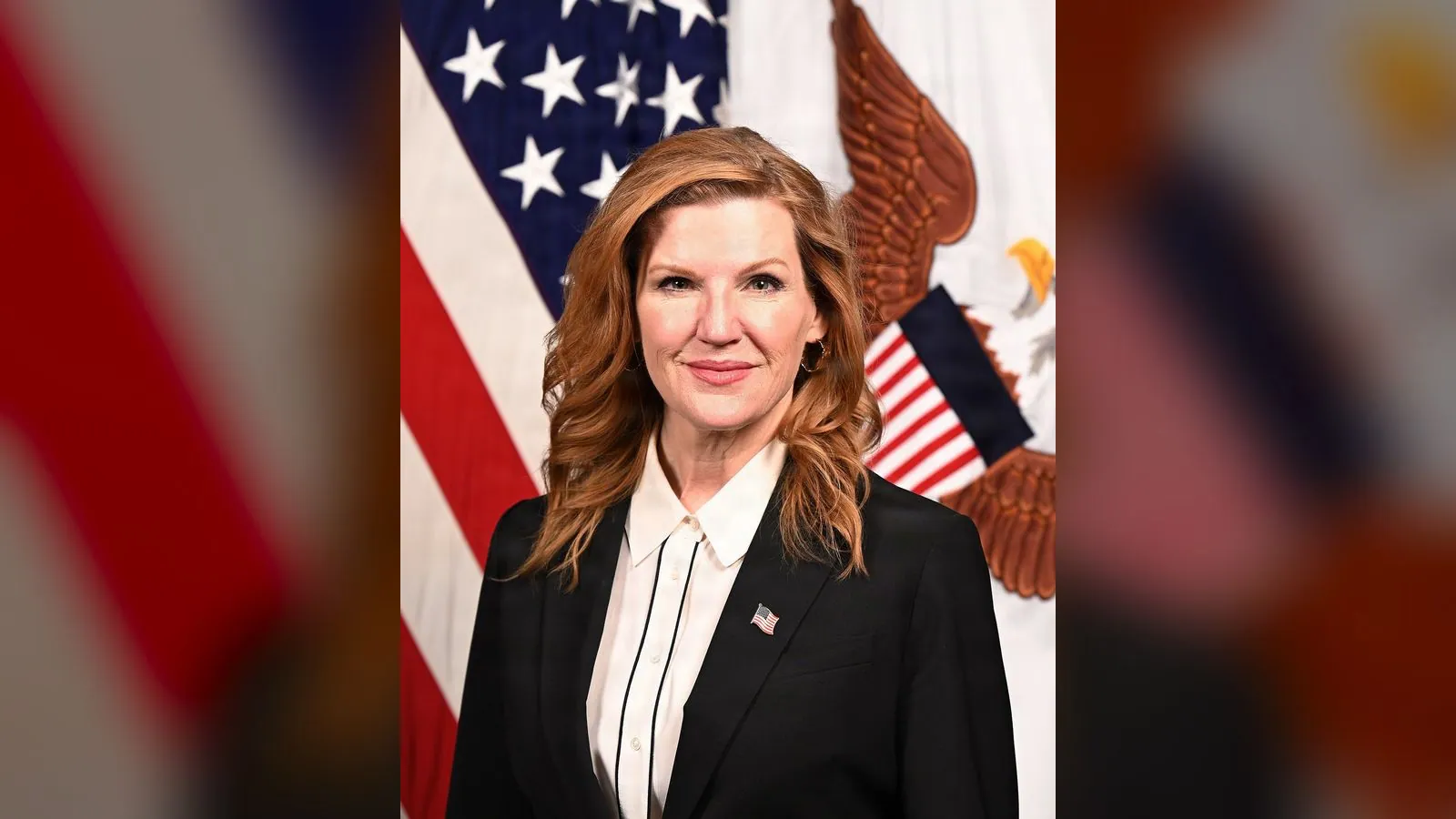
The White House has chosen Pentagon chief information officer Kirsten Davies to replace Sean Cairncross as the United States' national cyber director, a leadership change announced amid a series of disruptive technology outages. The appointment was reported on November 19-20 by the Associated Press, ABC News and CBS News, with senior administration figures publicly welcoming Davies.
The timing has intensified questions about the resilience of critical digital systems. But the personnel change and the outages should not be treated as proof of a single cyberattack, or of a causal connection between the incidents and Cairncross's departure.
A new lead for federal cyber strategy
The national cyber director advises the president and coordinates cybersecurity policy across federal agencies. Davies was serving as the Defense Department's chief information officer before the move. Reports from NBC News and the Washington Post say she will serve in an acting capacity; a permanent appointment to the Senate-confirmed post would require the relevant confirmation process.
In a statement cited by the Associated Press, Davies stressed modernizing digital foundations, strengthening resilience and developing the next generation of cybersecurity professionals. Defense Secretary Pete Hegseth publicly welcomed her selection.
Cairncross had held the White House post since August 2025. CBS News reported that he described his service as an honor and praised the administration's cybersecurity work. Multiple outlets reported that he was removed rather than leaving voluntarily, citing unnamed sources; the administration has not publicly supplied a detailed, independently verifiable account of the personnel decision.
Outages are not evidence of a coordinated attack
The leadership transition follows disruptions affecting Microsoft services, banking access, air traffic systems and an internal National Security Agency network. These events caused substantial concern because digital infrastructure underpins transportation, financial services and government operations.
Officials have cautioned against linking the failures. CBS News quoted Homeland Security Secretary Markwayne Mullin as saying investigators had seen nothing indicating the outages were related. The Associated Press reported Secretary of State Marco Rubio's assurance that officials had no information showing the failures were connected or caused by a malicious actor.
That distinction matters. Outages can result from maintenance, software changes, hardware failures or malicious activity. The coincidence of several failures does not, by itself, establish a common cause. Nor does the timing of Davies's appointment establish that the outages directly caused Cairncross's departure.
What comes next
Davies inherits a coordination role at a time of heightened scrutiny of the reliability of both public and private systems. Her immediate challenge will be to align agencies on cyber preparedness while distinguishing verified technical findings from speculation.
The appointment is confirmed by multiple reports and public statements. The precise internal reasons for replacing Cairncross, and any definitive technical findings tying together the recent outages, remain less clear. News WLD will update this report if authoritative investigations or a formal White House explanation provide new evidence.
Sources: Associated Press, November 19-20; ABC News, November 20; CBS News, November 19; NBC News, November 19.