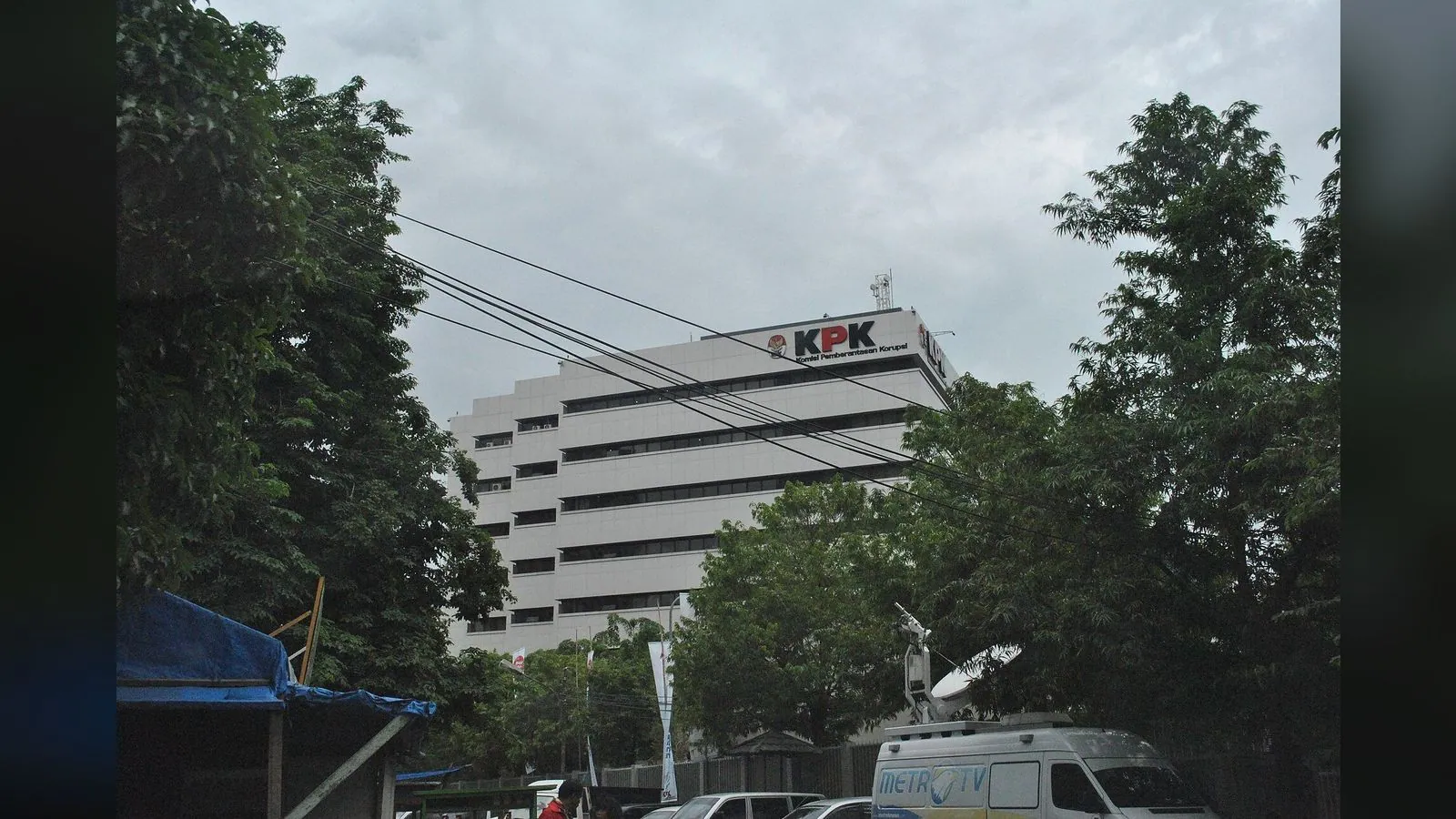
Indonesia Corruption Watch (ICW) and the Coalition for Asset Forfeiture Advocacy say Indonesia's newly approved Asset Forfeiture Law may be substantially weaker than the reform anti-corruption campaigners sought. Their objections concern unexplained wealth, crimes committed before the law, the financial threshold for a non-conviction-based recovery route, and the independence of asset management.
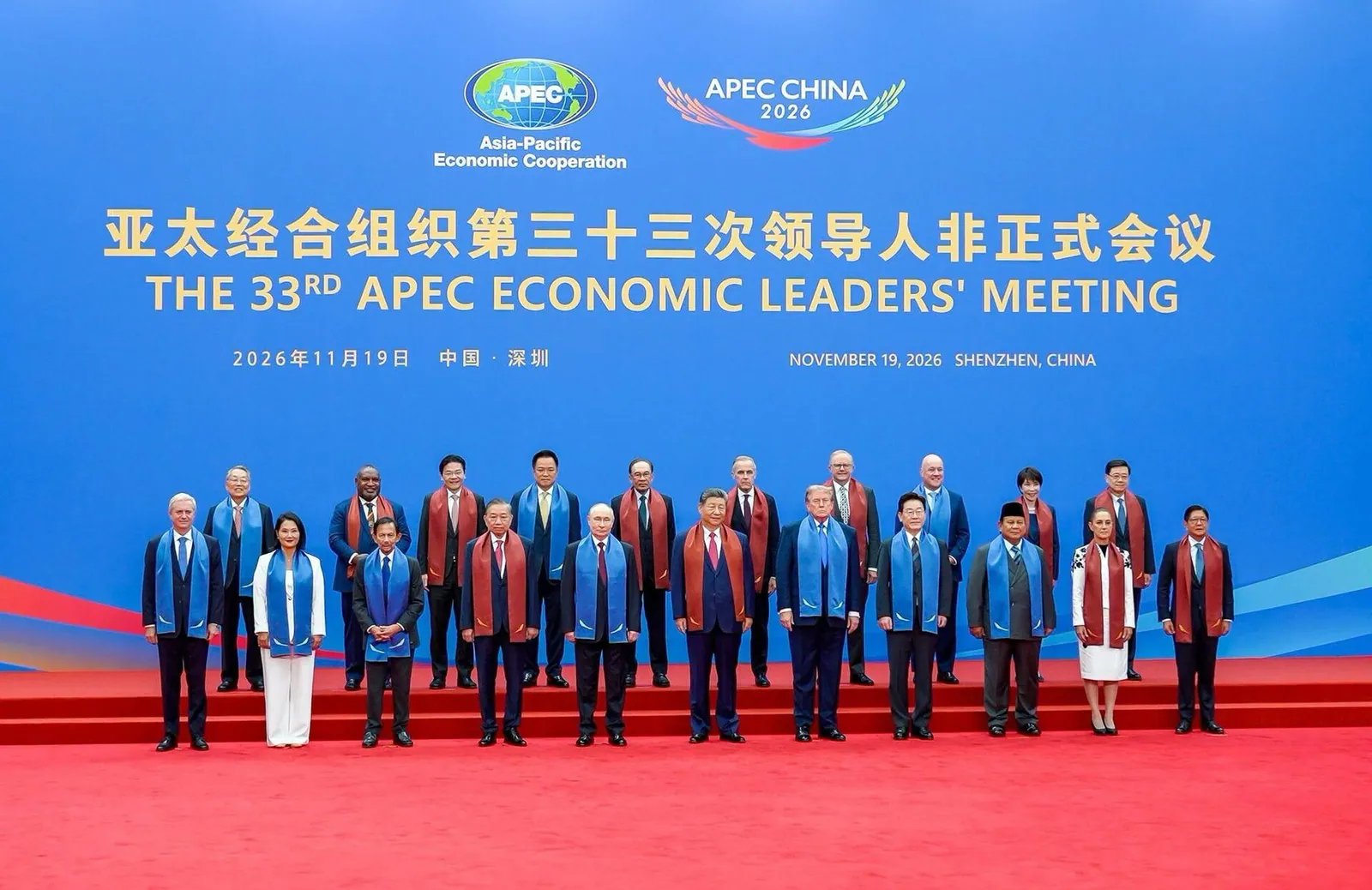
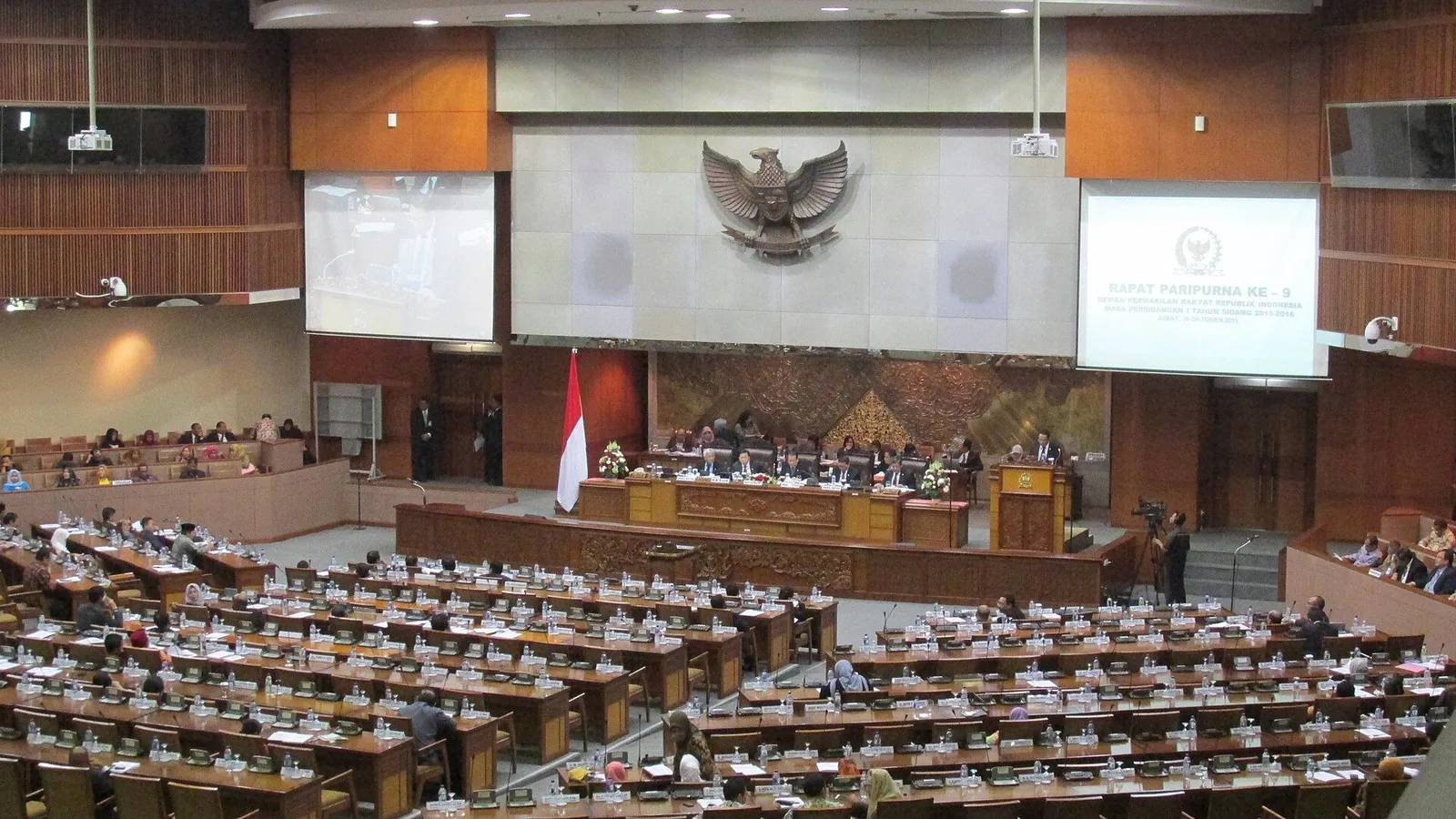
The House of Representatives approved the bill in a plenary meeting on November 19, 2026, as confirmed by ANTARA and the parliamentary secretariat. The coalition's detailed analysis, however, refers to a drafting-committee version dated November 16. News WLD has not independently verified that every provision in that draft survived unchanged in the final enacted text. The distinction between a verified vote and disputed draft provisions is essential.
Why the campaigners call it a weakened law
ICW says the draft removed a proposed illicit enrichment mechanism targeting wealth that public officials cannot adequately explain by legitimate earnings. Ibrahim, an ICW legal and investigations official, said this could weaken enforcement of asset declarations, known as LHKPN. The organisation argues that a new recovery law should help authorities examine wealth that is disproportionate to declared lawful income.
An unexplained increase in wealth, however, is not automatically proof of a specific corruption offence. A workable system would need a legal definition, judicial scrutiny, evidence standards, opportunities to contest allegations, and protection of legitimate owners. Those safeguards are not merely technicalities: a poorly designed system could harm innocent people.
What DPR says in response
Commission III chairman Habiburokhman defended the omission, according to CNN Indonesia, arguing that illicit enrichment raised human-rights objections and belonged outside a law focused on procedure rather than substantive criminal offences. ICW countered that other substantive provisions were included in the proposal, making the procedural distinction contestable.
ICW representatives also suggested that some lawmakers could have a personal interest in avoiding stronger unexplained-wealth provisions. This is an allegation and does not establish wrongdoing by any named legislator. It should be evaluated through disclosures and evidence, not treated as a proven motive.
The DPR says its deliberations included judicial safeguards, protections for good-faith third parties, and independent supervision. The parliamentary account describes tracing, transaction freezes, seizure applications and judicial decisions. These descriptions do not replace an article-by-article review of the final statute.
Can the law reach assets from older crimes?
The coalition says the November 16 text included a non-retroactivity restriction that could prevent the new mechanism from being applied to certain proceeds of crimes committed before it took effect. The practical impact depends on the precise wording of transitional clauses, whether conduct remains prosecutable under existing laws, and which asset-recovery mechanisms remain available.
It would therefore be misleading to say all proceeds from older corruption cases are now immune. Existing confiscation, restitution and recovery routes may still be available. The narrower and more testable question is whether the new law adds a meaningful tool for tracing and recovering assets linked to past wrongdoing.
A tenfold increase in the threshold
The coalition further says the draft raised a threshold for a specified non-conviction-based forfeiture procedure from Rp100 million to Rp1 billion. Bloomberg Technoz and other outlets reported this criticism on November 19. If the increase remains in the enacted law, it could reduce the availability of that particular route for medium-value assets.
The threshold should not be confused with a universal exemption for property below Rp1 billion. Different criminal and civil provisions may still authorise seizure or forfeiture in qualifying circumstances. News WLD has not confirmed the final threshold against the authenticated statutory text.
Who controls confiscated assets?
ICW worries that the proposed asset-management institution could be too closely controlled by the executive, particularly if important governance arrangements are left to presidential regulations. Concentrated control may create risks in appointments, valuations, auctions and distribution of proceeds. These are potential governance risks, not evidence that assets have already been misappropriated.
Parliament's stated model includes professional management and independent oversight. The test will be whether the law guarantees external audits, transparent inventories, conflict-of-interest rules, court remedies, and meaningful public reporting. Victims also need clarity about whether recovered property goes to them or to the state.
Transparency and a possible constitutional challenge
The coalition argues that drafts, the academic paper and the inventory of legislative issues were insufficiently available during final-stage negotiations. It has threatened formal and substantive constitutional review. Parliament says it held extensive hearings and considered hundreds of discussion items. Both statements can be true while leaving a central question unanswered: could the public see and meaningfully comment on the actual final-stage wording before the vote?
For citizens, the stakes are two-sided. A strong, carefully supervised recovery system could return stolen public funds and compensate victims. An overly narrow system could miss important assets; an overly expansive one could freeze innocent owners' property or disrupt businesses without sufficient review.
The next essential step is publication of the authenticated final text and a transparent comparison with the November 16 draft, including the unexplained-wealth clause, threshold, transitional rules and asset-management provisions. Until that comparison is complete, ICW's objections are significant documented criticisms, not conclusive proof of the law's final legal effects.
This article follows News WLD's separate November 19 report confirming the parliamentary vote and examines the subsequent civil-society challenge rather than repeating the passage announcement.
Sources
- 1.CNN Indonesia: ICW sentil DPR soal illicit enrichment, cnnindonesia.com
- 2.Suara: ICW kritik RUU dan keterbukaan, suara.com
- 3.Bloomberg Technoz: ICW kritik UU, bloombergtechnoz.com
- 4.DPR: pembahasan tingkat I, dpr.go.id
- 5.ANTARA: pengesahan RUU, antaranews.com
- 6.Kementerian Hukum: paripurna, djpp.kemenkum.go.id