President Prabowo Subianto has instructed ministers to ensure Indonesia receives at least 70% of the benefits from mining permits. The political objective is clear: more of the value of the country's minerals should accrue to Indonesians. But the economic formula remains undefined, leaving a major question for taxpayers, mining communities and investors: 70% of what?
The president made the statement at a Muhammadiyah event in Palu on November 14, 2026, according to ANTARA's report of his remarks. He said the state might take equity stakes where necessary, while investors could first recover capital. The comments were an instruction and policy ambition, not a published regulation imposing a uniform 70% royalty, tax or equity transfer.
The denominator is the policy
A share of gross sales, net profits, total economic benefits and company ownership are fundamentally different quantities. A mine selling Rp100 billion of minerals might have costs of Rp80 billion. Seventy percent of sales would be Rp70 billion; 70% of its Rp20 billion operating surplus would be Rp14 billion before other adjustments. These are hypothetical figures illustrating why the missing definition matters, not estimates of any Indonesian company.
State benefit could also mean a combined accounting of taxes, royalties, dividends from state shareholdings, wages, domestic processing, and infrastructure. Adding these together would require transparent definitions and careful avoidance of double counting. Neither the presidential speech nor the reports reviewed here establishes a binding accounting formula.
What changed this week
On November 18, Reuters reported that miners and investors were seeking clarity about the plan. The news agency described market pressure on mining-linked stocks and concerns that unpredictable rules could raise financing costs and delay investment. Those movements cannot be attributed exclusively to the president's remarks without controlling for wider market conditions.
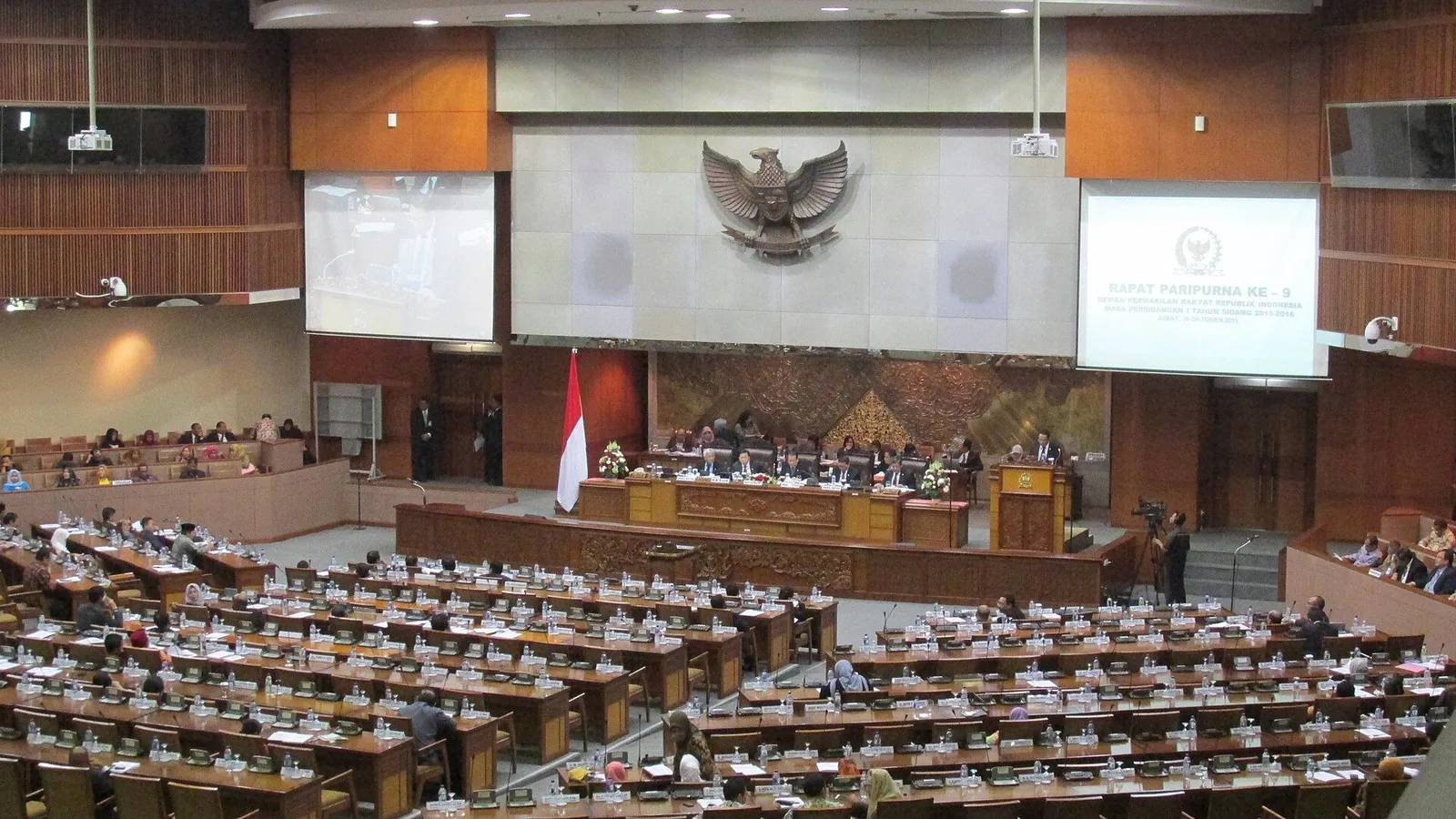
On November 19, CNBC Indonesia quoted Commission XII lawmaker Syarif Fasha as saying that detailed explanations had not yet been provided by the energy or investment ministries. He welcomed the principle of a greater public share but warned that applying it to new projects could be difficult. Another lawmaker, Yulian Gunhar, expressed support and called for concrete rules and strong oversight. These are distinct positions within a debate over implementation, not evidence that a final formula has been agreed.
Police chief Suyudi Ario Seto also said investigators and intelligence units would map mining business permits and prioritise enforcement against illegal operations, CNBC Indonesia reported on November 18-19. A permit review and enforcement against illegal mining are separate from deciding the financial allocation of lawful projects. They should not be conflated.
Revenue is not the same as welfare
More public revenue can support hospitals, schools, infrastructure and environmental rehabilitation. But a higher state take is not automatically a measurable benefit to residents near extraction sites. The distribution of receipts between central and local government, transparency of transfers, and the quality of public spending determine whether communities see improvements.
Mining communities also bear costs that may not appear in a fiscal revenue calculation: land disputes, damaged waterways, dust, lost livelihoods and post-closure liabilities. A credible benefit formula would account for reclamation guarantees, independent environmental monitoring and meaningful community participation rather than merely raising the central government's percentage.
For workers, the trade-off is similarly concrete. Mining and smelting investment can create jobs, but abrupt contractual uncertainty could reduce investment or postpone projects. Whether that happens depends on project economics, commodity prices, transition periods and the precise rules adopted. None of those outcomes should be presumed from the announcement alone.
What the existing numbers do and do not show
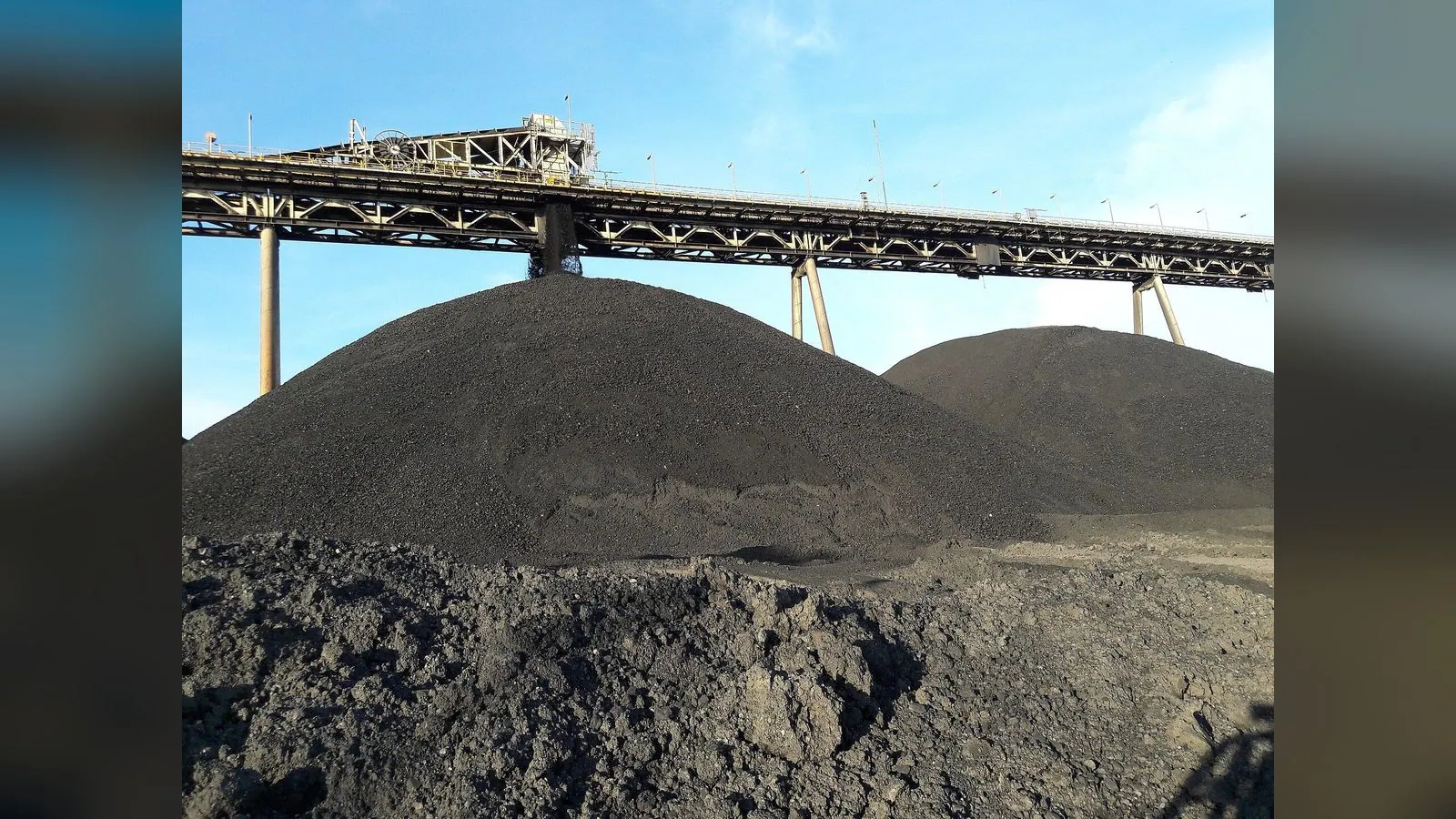
Energy minister Bahlil Lahadalia said mineral and coal non-tax state revenue had reached Rp141.94 trillion by the end of October, against a reported target of roughly Rp134.05 trillion, according to ANTARA on November 2. That figure measures one revenue stream, not the state's percentage of the entire mining sector's economic value. It cannot validate or refute the proposed 70% target.
The distinction is crucial because mining operators already pay different taxes, royalties and fees depending on commodity, license and corporate structure. A single percentage may conceal wide variation. Analysts and policymakers will need a common baseline before they can claim a policy increased the public share.
An earlier reversal adds uncertainty
In June, CNN Indonesia reported that the government had ruled out applying an oil-and-gas-style gross-split arrangement to mineral and coal mining. That earlier decision does not prove the November proposal is identical or contradictory: the new speech did not specify gross split. It does show why publishing a detailed instrument, rather than relying on speeches, is necessary to understand the government's actual direction.
A higher state share could be pursued through revised royalties, taxes, state equity, contractual negotiations or other instruments, each with different legal and financial consequences. Existing agreements, investor protections, parliamentary authority and regulatory transition rules would need to be considered. This report has not found a final implementing regulation setting out those choices.
What the public should be able to inspect
The government should publish the definition of the 70% numerator and denominator, the companies and permits covered, how existing contracts are treated, when rules take effect, and who audits reported benefits. It should also disclose how much additional revenue is expected, what it costs to administer, how much reaches producing regions and how environmental obligations will be funded.
The issue is not a simple choice between state control and private investment. The relevant test is whether a legally clear, enforceable and independently audited framework produces verifiable public benefits without transferring unpriced environmental and economic risks to citizens.
As of the November 19 reporting reviewed for this article, the 70% figure is a presidential instruction under discussion, not an independently verified uniform statutory charge. News WLD will update this assessment if the ministries publish the calculation and binding rules.
Sources
- 1.ANTARA: instruksi presiden 14 November, m.antaranews.com
- 2.Reuters: miners seek clarity November 18, reuters.com
- 3.CNBC Indonesia: DPR asks for technical details November 19, cnbcindonesia.com
- 4.CNBC Indonesia: police mapping permits, cnbcindonesia.com
- 5.ANTARA: minerba PNBP figures November 2, antaranews.com
- 6.CNN Indonesia: June gross split reversal, cnnindonesia.com