Indonesia's Ombudsman has identified problems involving access, land and permits in the Merah Putih village cooperative programme, adding scrutiny to a national rollout designed to expand rural commerce.
What was inspected
In its 18 November 2026 statement, the Ombudsman said investigators visited 14 sites across six areas: four each in Purworejo and Batam, three in Tual, and one each in Mamuju, Demak and South Jakarta. Its review considered ten indicators, including business models, staff preparation, digital management, the suitability of locations, building permits and handover arrangements. It examined 13 legal and contractual documents and requested information from government agencies and state-owned PT Agrinas Pangan Nusantara.
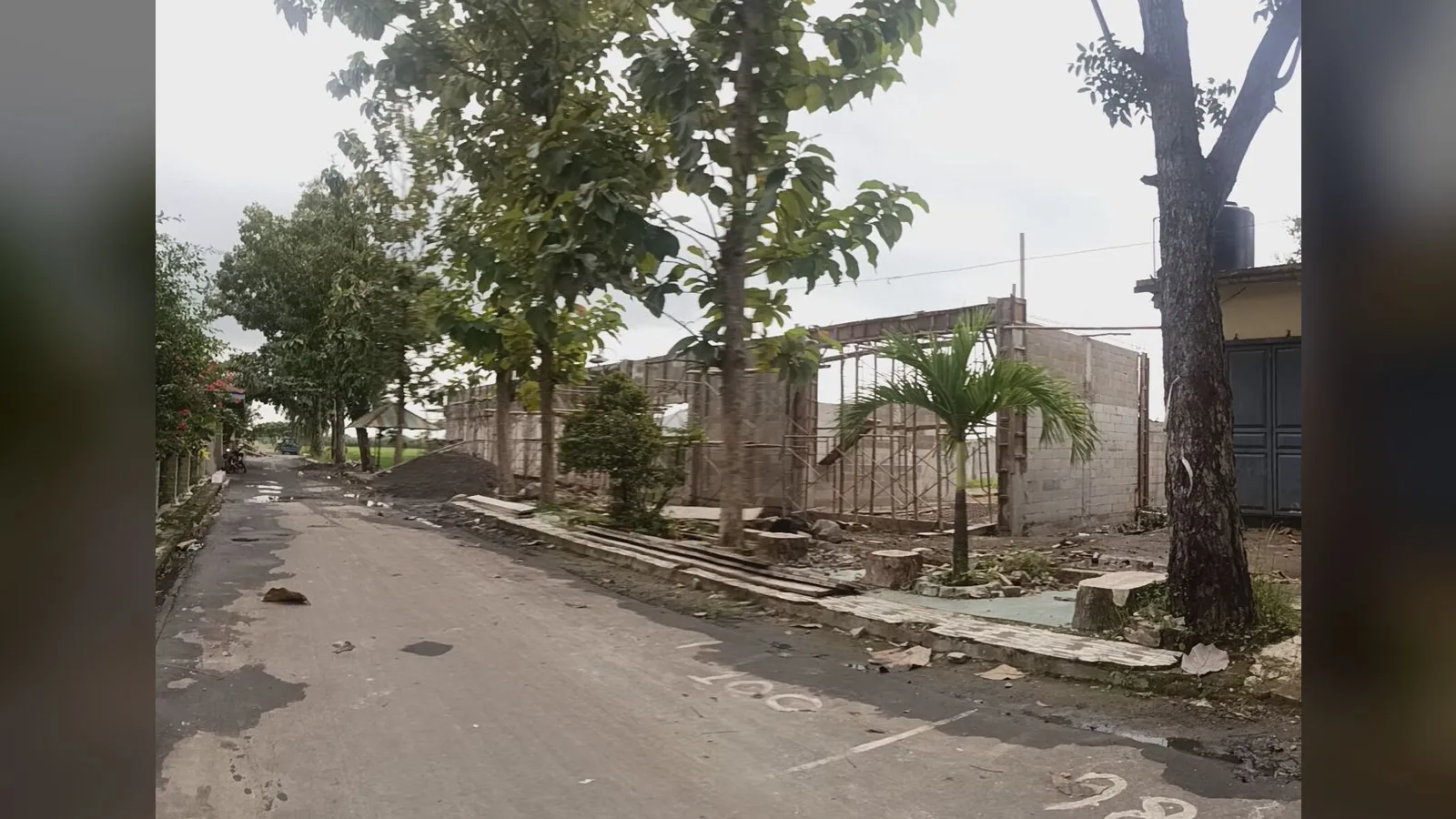
Officials reported difficult access at some Batam sites, land bordering a swamp in Mamuju, and uncertainties around location or construction approvals elsewhere. These are findings at inspected sites, not evidence that all cooperatives face similar difficulties. The 14-site review cannot be converted into a nationwide failure rate without a representative sampling method.
Why the findings matter
The cooperative initiative seeks to improve access to goods, distribution and local economic activity. Yet registering a cooperative or completing a building does not prove it can operate sustainably. Members must be able to reach it; land rights must be clear; buildings must satisfy safety and permitting requirements; and trading must attract customers.
Poor location choices could reduce use of public facilities. Unresolved land rights could delay construction or create disputes. Unclear approvals could expose operators to safety and legal risks. These are potential consequences, not verified losses at every site. The Ombudsman has not announced a quantified nationwide financial loss from its inspection.
The review is administrative oversight, not a criminal investigation finding that contractors or officials committed corruption. That distinction matters when reporting concerns about public spending.
Disagreement over the response
Masyarakat Transparansi Indonesia executive director Ahmad Jilul Qur'ani Farid urged a temporary pause on new construction pending independent audit and evaluation, according to Suara's 19 November report. His group regards the findings as possible evidence of broader planning problems. The proposed pause is a civil-society demand, not an official government decision; the wider allegation still requires substantiation.
In October, Agrinas leadership told the Ombudsman it welcomed monitoring and corrective suggestions. That position is relevant, but does not establish that each problem now identified has been remedied. A current site-by-site response from implementing authorities is needed.
What should be checked next
The strongest accountability test would match each funded site to a verifiable land agreement, construction approval, access assessment, expenditure record, handover date and operational status. Authorities should publish which problems have been fixed and when. Independent examination could then distinguish ordinary construction delays from flawed site selection or governance.
The Ombudsman's evidence warrants corrective scrutiny while leaving crucial questions open: how common the problems are, what they cost, and whether affected cooperatives can become viable. Until those answers are documented, national success or failure claims based solely on construction totals are premature.
Sources: Ombudsman RI, 18 November; Ombudsman, Agrinas meeting; Bisnis.com, 19 November; Suara, 19 November.