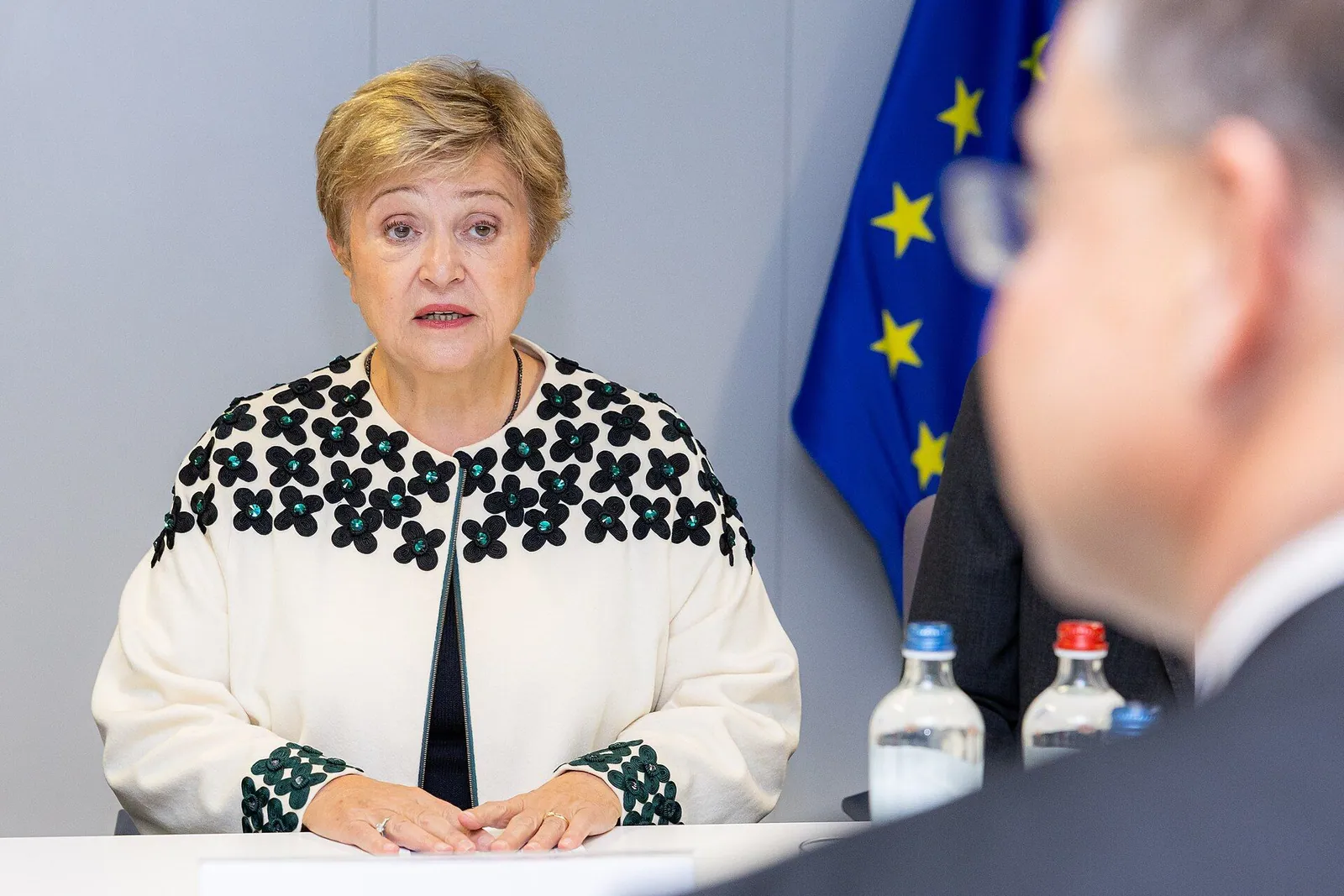
SHENZHEN, China, International Monetary Fund Managing Director Kristalina Georgieva warned at the Asia-Pacific Economic Cooperation summit on Thursday, November 19, that energy supply disruptions and investment demand linked to artificial intelligence are pushing global inflation higher. She said monetary policy needs to tighten in many economies, according to Reuters. The warning comes as governments weigh the promise of AI-led growth against rising financing and energy costs.
The IMF's inflation forecast
The IMF's October 13 World Economic Outlook projects global headline inflation of 4.7% in 2026 and 4.1% in 2027. These figures are forecasts for the world economy, not measured inflation rates for individual countries. The IMF attributed much of its upward inflation revision to energy and food prices, while pointing to the AI investment cycle as an important driver of demand.
The same report projects world output growth of 3.1% this year and 3.4% next year. These global averages conceal stark differences. Countries supplying advanced chips, data-centre equipment and related services can benefit from investment, while energy-importing countries face higher bills. The IMF also warned that prolonged uncertainty, trade fragmentation and financing strains could erode resilience.
Why the AI boom matters for prices
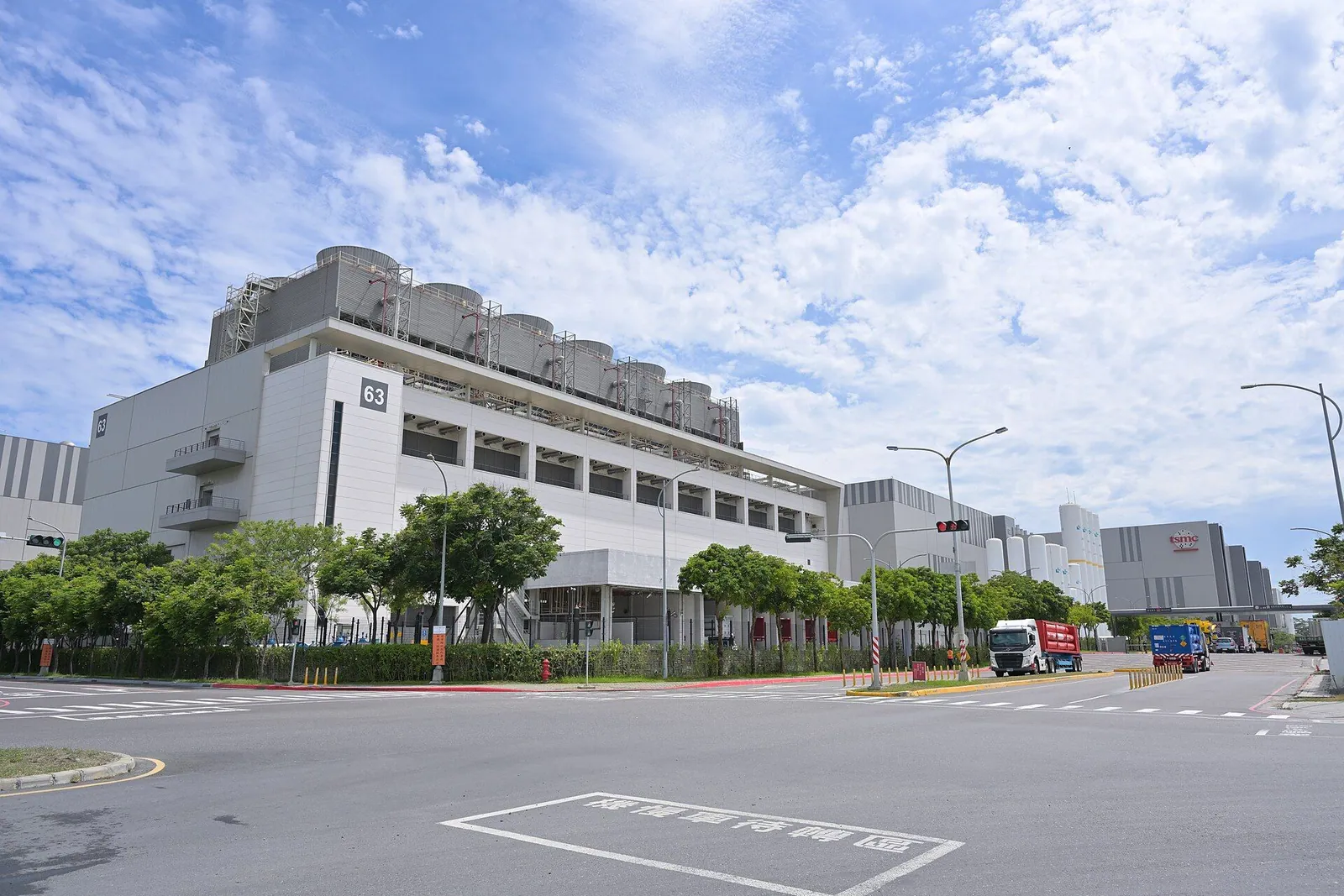
AI infrastructure requires data centres, electricity, cooling equipment, advanced semiconductors, construction and large volumes of capital. When many firms expand at once, spending can increase demand before additional capacity is available. Higher demand may put pressure on electricity systems, equipment prices and borrowing costs.
This does not mean AI is necessarily inflationary in the long run. More efficient software and production could eventually increase supply and reduce unit costs. The uncertainty lies in how quickly productivity improvements arrive, who captures them and whether they outweigh immediate infrastructure demand.
Federal Reserve Vice Chair Philip Jefferson separately said on November 19 that AI-driven investment is boosting demand and inflationary pressure now, while its productivity benefits could emerge in the future. His remarks underline the timing problem facing policymakers rather than establishing a precise forecast for AI's net inflation effect.
The monetary-policy dilemma
Georgieva's call was for tighter policy in many economies, not an instruction for every central bank to raise rates. Each country faces different inflation trends, labour markets, exchange-rate conditions and debt burdens. Higher interest rates can restrain spending and inflation, but also make mortgages, corporate loans and public borrowing more expensive.
At the IMF's October 14 Global Policy Agenda briefing, Georgieva argued that the strongest case for tightening is in economies where inflation remains above target and economic activity is strong. She also urged governments to rebuild fiscal buffers and protect vulnerable people with targeted support rather than indiscriminate price controls.
For households, the practical question is whether price growth slows without a sharp loss of jobs or purchasing power. For businesses, expensive financing can delay projects even as demand for computing infrastructure expands. Policymakers must weigh both effects instead of treating technology investment as an unqualified economic gain.
What comes next
The IMF's 4.7% projection is not a prediction of any one country's next interest-rate decision. Central banks will continue to assess domestic inflation, employment, demand and financial conditions. The scale and duration of energy disruptions, and whether AI spending translates into sustained productivity gains, remain critical uncertainties.
The immediate message from Shenzhen is that strong AI investment can coexist with stubborn inflation and uneven growth. The benefits of the technology boom are not necessarily distributed to the same countries and households that bear higher energy and financing costs.
Sources: Reuters, November 19; IMF World Economic Outlook, October 13; IMF Global Policy Agenda briefing, October 14; Reuters on Jefferson, November 19.