SEOUL, November 20, 2026, South Korea has crossed $1 trillion in merchandise exports in a single calendar year for the first time, propelled by extraordinary demand for semiconductors used in artificial intelligence. The achievement confirms the country's growing importance to the global technology supply chain, but also raises questions about whether a concentrated chip boom can translate into broadly shared prosperity.
The milestone
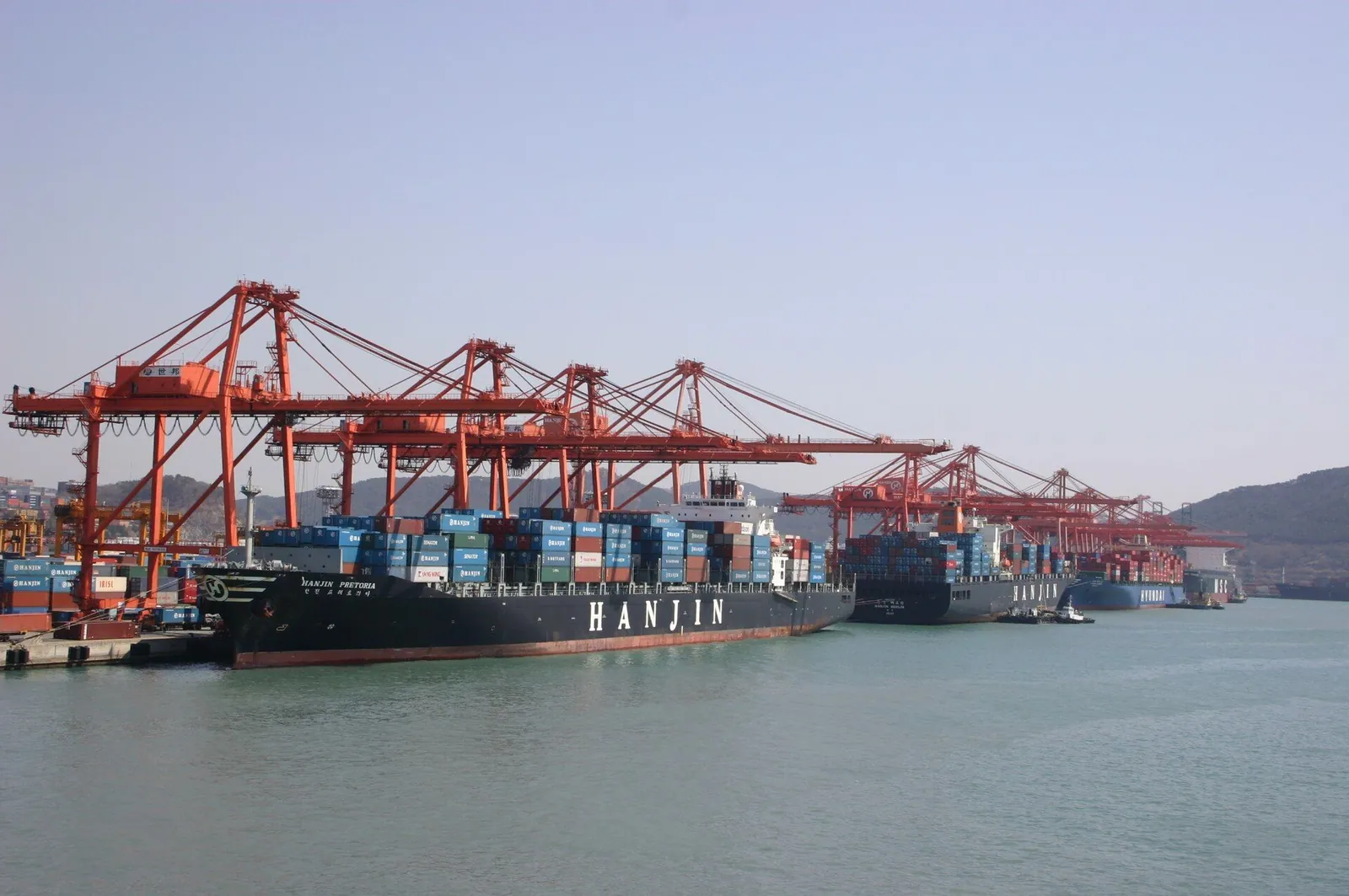
The Ministry of Trade, Industry and Resources said exports passed $1 trillion at 05:09 GMT on November 19. Reuters reported that South Korea is only the fourth country to achieve the milestone, after Germany, the United States and China. The figure measures the value of goods shipped abroad during 2026 through November 19; it does not represent gross domestic product, government revenue or the country's trade surplus.
The speed of the increase is striking. Last year's full-year export record was about $709 billion, according to Reuters. The ministry's October 1 release had already reported $814.5 billion in cumulative exports through September. Its November 1 trade report recorded $930 billion for January through October, leaving $70 billion to reach the historic threshold.
Why AI chips matter
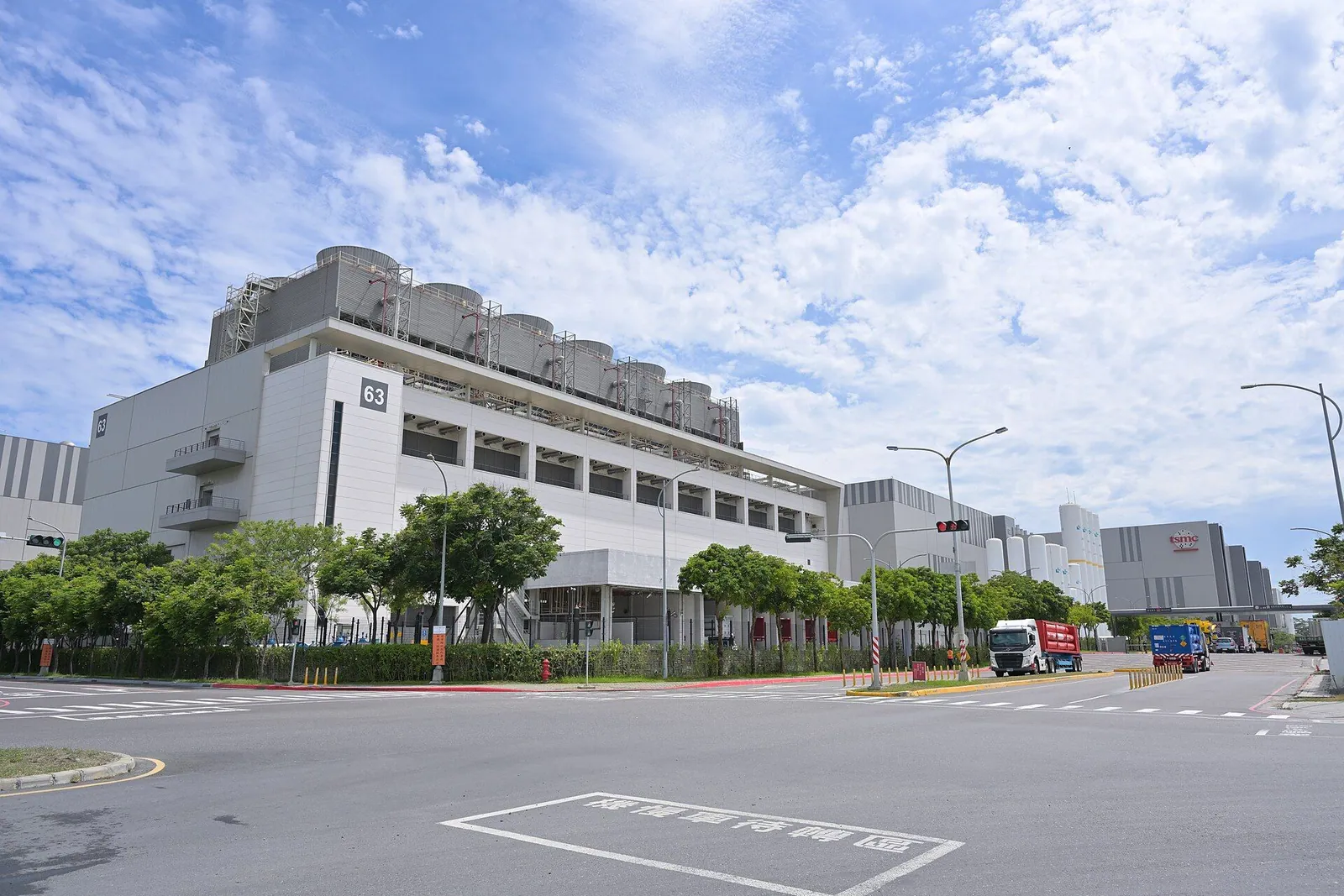
Semiconductor exports climbed 184% year on year in the first three quarters of 2026, Reuters reported. Chips accounted for 42% of total exports, more than twice their average share of roughly 20% over the preceding five years. AI infrastructure investment has created strong demand for advanced memory and other components, benefiting major Korean manufacturers including Samsung Electronics and SK Hynix.
The ministry's September figures illustrate the acceleration. Total exports that month rose 83.5% from a year earlier to $120.94 billion. Semiconductor exports alone reached $60.30 billion, according to the official release. The ministry said higher memory demand, increased shipment volumes and stronger contract prices contributed to the result.
These numbers reveal both strength and exposure. When one category accounts for such a large share of national exports, shifts in global data-centre investment, chip pricing or export restrictions can have an outsized impact. A strong semiconductor cycle cannot be assumed to last indefinitely.
Other industries and households lag
The expansion has not been uniform. Reuters reported that traditional sectors such as automobiles, steel and shipbuilding have lagged the chip industry amid trade protectionism and geopolitical disruptions. The Iran conflict and tariff uncertainty have complicated the wider trading environment.
Nor does a record export total necessarily mean that households immediately feel wealthier. Reuters reported that domestic demand remains weak, with high interest rates, elevated prices and stock-market volatility weighing on consumers. Export revenues accrue first to companies and their supply chains; their effect on wages, jobs and local spending depends on further investment and hiring.
President Lee Jae Myung acknowledged that challenge in a statement cited by Reuters. He called for the achievement to improve people's lives and for growth opportunities to reach smaller businesses and regions outside the capital area. The administration plans a 162.3 trillion won Future Response Fund for growth industries, young people, education and regional development. That is a policy plan, not proof that the entire amount has been disbursed or that its objectives have been achieved.
South Korea's six major business groups similarly called for closer public-private cooperation to turn export strength into domestic investment, employment and regional revitalisation.
The next test
For the wider world, the milestone demonstrates how rapidly AI-related capital spending can reshape trade flows. For South Korea, the policy question is more demanding: can an exceptional chip cycle support diversification and household incomes while limiting dependence on one volatile global industry?
The next indicators to watch are the composition of future export growth, domestic investment, employment and consumption, and any changes to trade barriers. The trillion-dollar figure is a historic benchmark, but it is not by itself evidence that economic gains are being distributed evenly.
Sources: Reuters, November 19, 2026; Ministry of Trade, October 1; Ministry of Trade, November 1 report.