Key points
- Rustian was questioned as a witness, not named a suspect.
- Rp148 billion refers to procurement under scrutiny, not established state losses.
- Emergency direct appointments can be lawful, but require safeguards.
Indonesia's anti-corruption commission is examining how emergency disaster money was used to select suppliers at the National Disaster Management Agency (BNPB), raising questions about safeguards designed to keep urgent procurement fast without allowing private interests to capture contracts.
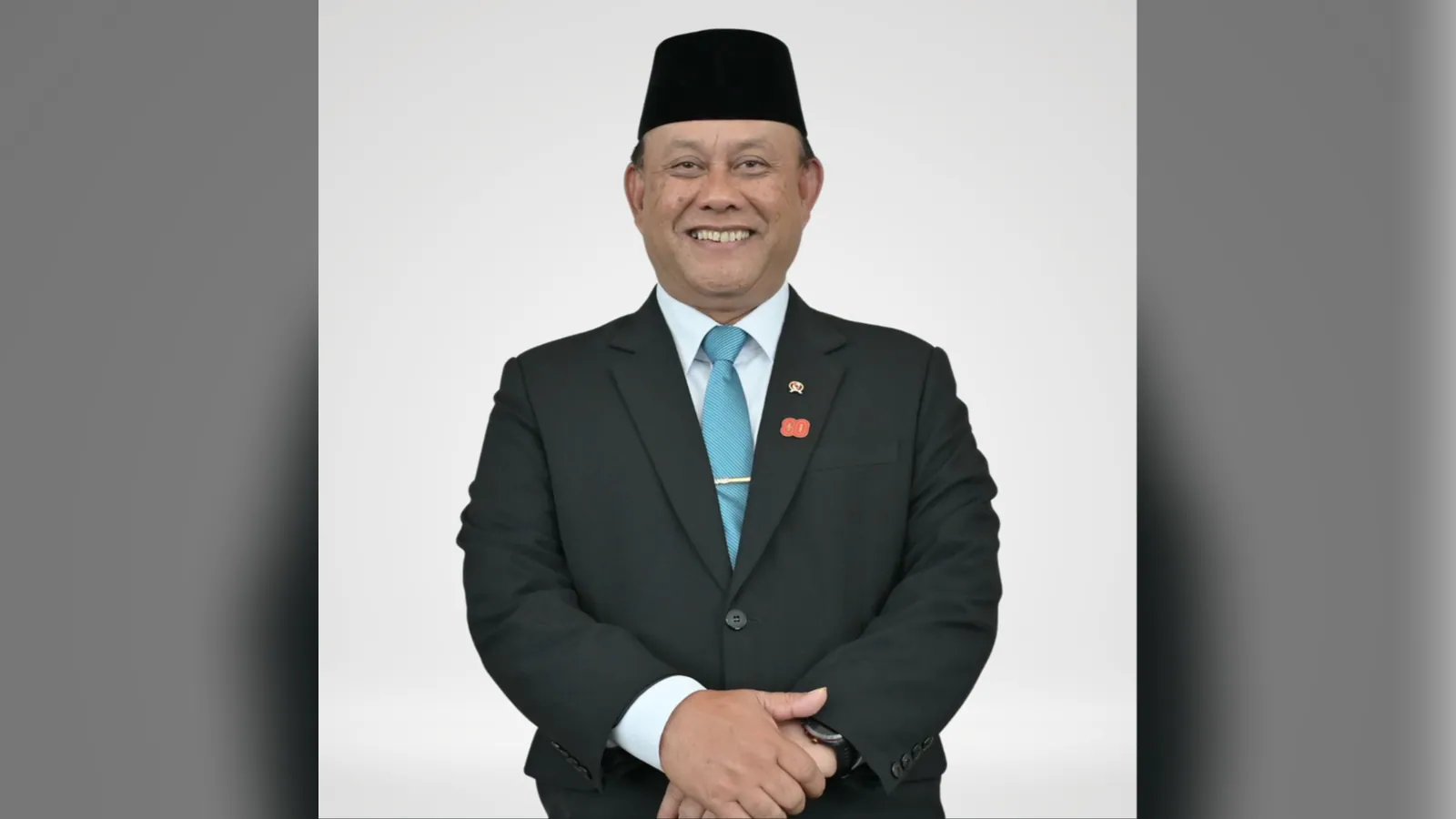
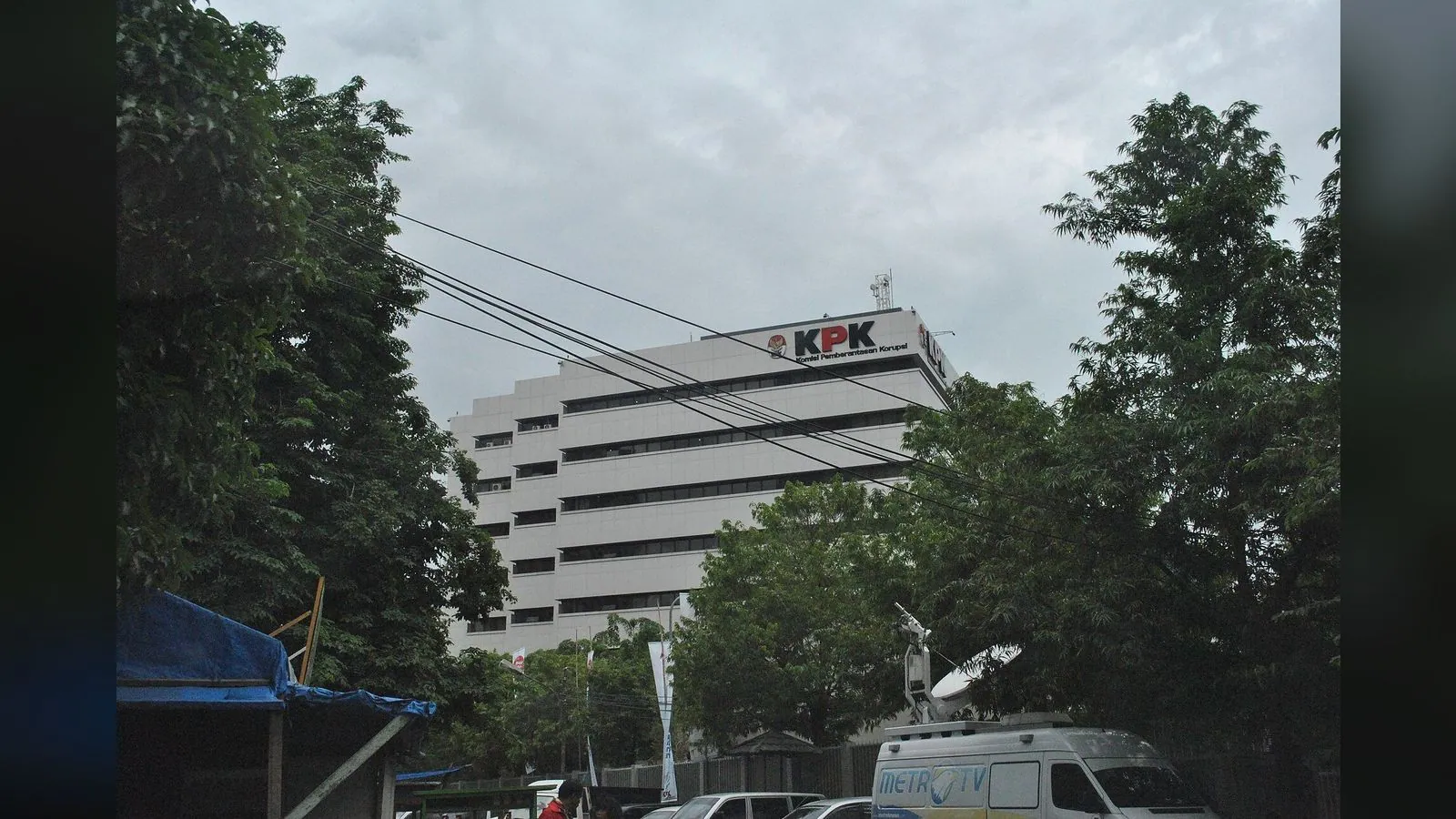
KPK spokesperson Budi Prasetyo said investigators questioned BNPB secretary-general Rustian on Thursday, 19 November 2026, about the direct appointment of vendors, the allocation of work and payments from the agency's Dana Siap Pakai (DSP), or ready-to-use disaster fund. Rustian was questioned as a witness in his capacity as budget-authorising official. He has not been named a suspect.
What investigators are examining
According to the KPK account reported by ANTARA, CNN Indonesia and other outlets, investigators want to know who decided which suppliers would receive contracts and how the projects were divided. Budi said the special procurement route does not require the same conventional tender process, but it is subject to conditions. Investigators are examining possible conflicts of interest, alleged kickbacks and whether projects were steered towards particular vendors.
The investigation follows an October operation in which KPK named five suspects, including BNPB personnel and private-sector figures. The commission has alleged irregularities in procurement linked to disaster response between 2024 and 2026. CNN Indonesia reported that procurement involving suppliers allegedly affiliated with one suspect totalled about Rp148 billion. That figure describes the value of contracts under scrutiny, not a court-established loss to the state.
Media accounts also identify the affected emergency activities as including responses to forest fires, flooding and earthquakes. These descriptions require comparison with the underlying contracts before any specific delivery failure can be established.
Why direct appointment is not itself corruption
Emergency procurement exists because an agency responding to a flood, earthquake or wildfire cannot always wait for a normal competitive tender. The public interest may justify faster contracting when delays would cost lives or leave displaced people without essential supplies.
That exception does not remove the need to document the emergency, justify supplier selection, establish reasonable prices, verify delivery and prevent officials from benefiting from their decisions. The distinction matters: the legal power to appoint a supplier directly is not proof of wrongdoing, and the absence of a public tender alone cannot establish criminal liability.
The critical questions are whether officials applied the relevant conditions, whether suppliers were genuinely capable of delivering and whether decision-makers disclosed relationships that could compromise impartiality. Investigators' questions should not be confused with judicial findings.
Who bears the risk
If emergency contracts are overpriced, diverted or awarded to incapable vendors, communities facing disasters may receive less assistance for the same public expenditure. But there is not yet sufficient public evidence to say which communities, if any, received delayed or defective supplies as a result of the alleged conduct in this case.
The potential harm is therefore clear, while its actual scale remains unverified. Public accountability requires examining quantities ordered and delivered, dates, prices, acceptance records and the locations of beneficiaries rather than assuming that every contract under investigation failed.
What is established and what remains unknown
It is established that KPK is investigating the procurement and questioned Rustian as a witness. Five people have been identified as suspects in the wider case, but accusations against them remain allegations unless proved in court. Rustian's examination does not make him a suspect or establish personal wrongdoing.
The publicly available reporting does not provide the complete contracts, supplier ownership records, detailed audit findings, independently verified losses or full responses from all parties accused. News WLD therefore cannot conclude that Rp148 billion was stolen, that all directly appointed contracts were unlawful, or that any named witness personally received illicit funds.
The documents that would settle the questions
A credible examination should compare the emergency declarations and procurement plans against purchase orders, supplier selection notes, contract amendments and proof of delivery. A list of payments alone would not demonstrate that goods were missing; likewise, evidence that goods arrived would not automatically rule out inflated prices or undisclosed relationships.
Ownership records could help establish whether a supplier had links to decision-makers, but a relationship alone would not settle whether a particular contract violated procurement rules. The dates of appointments and the roles of the authorising and commitment-making officials are equally important. Investigators and independent auditors would need to distinguish alleged bribery from procedural failures and from legitimate discretionary decisions made under emergency pressure.
The case also raises a practical transparency question: which records can be released without exposing sensitive information about disaster victims or disrupting a continuing investigation? Publishing aggregated contract values, supplier identities and delivery status could allow public scrutiny while appropriately protecting personal information.
The next accountability test is disclosure of the legal basis for each emergency appointment, the relevant authorisations, beneficial ownership of suppliers, payment trails and evidence of actual delivery. Authorities should also clarify how controls can be strengthened without delaying legitimate disaster relief. Those records, rather than rhetoric alone, will determine whether the case exposes isolated misconduct or a broader failure of emergency spending oversight.
Sources
- 1.ANTARA: KPK dalami penunjukan langsung vendor saat periksa Sestama BNPB, antaranews.com
- 2.CNN Indonesia: Periksa lagi Sestama BNPB, KPK dalami penunjukan langsung proyek DSP, cnnindonesia.com
- 3.CNN Indonesia: KPK kembali periksa Sestama BNPB terkait dana siap pakai, cnnindonesia.com
- 4.Liputan6: Sestama BNPB kembali diperiksa, liputan6.com