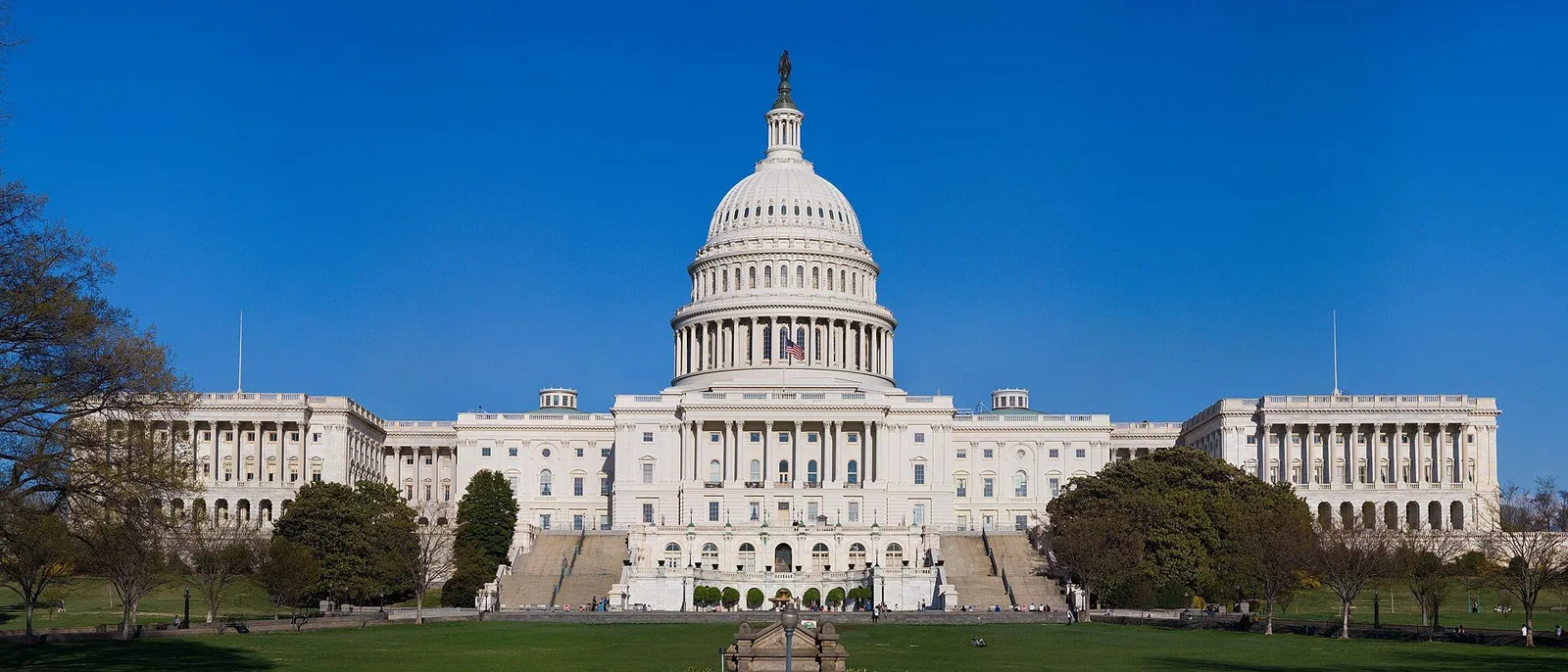
WASHINGTON, Nov. 20, 2026, The U.S. Senate approved a sweeping bipartisan energy-permitting bill Thursday by 62 votes to 33, aiming to accelerate construction of power plants, electricity transmission lines and other infrastructure as demand from data centers rises. The bill is not law: the House must still agree to a final version and it would need the president's signature.
The vote and the proposal
The Bipartisan American Affordability and Jobs Act of 2026 would shorten environmental review and approval processes and address the costs imposed by power-hungry data centers, according to the Associated Press. The House passed a narrower, more industry-friendly bill previously, so the two chambers have not yet settled on identical legislation.
Fifteen Democratic senators, including minority leader Chuck Schumer, supported the measure. Republicans Josh Hawley and Mike Rounds opposed it. That unusual voting coalition reflects both pressure to expand energy supply and divisions about how much environmental oversight should be preserved.
Electricity demand and costs
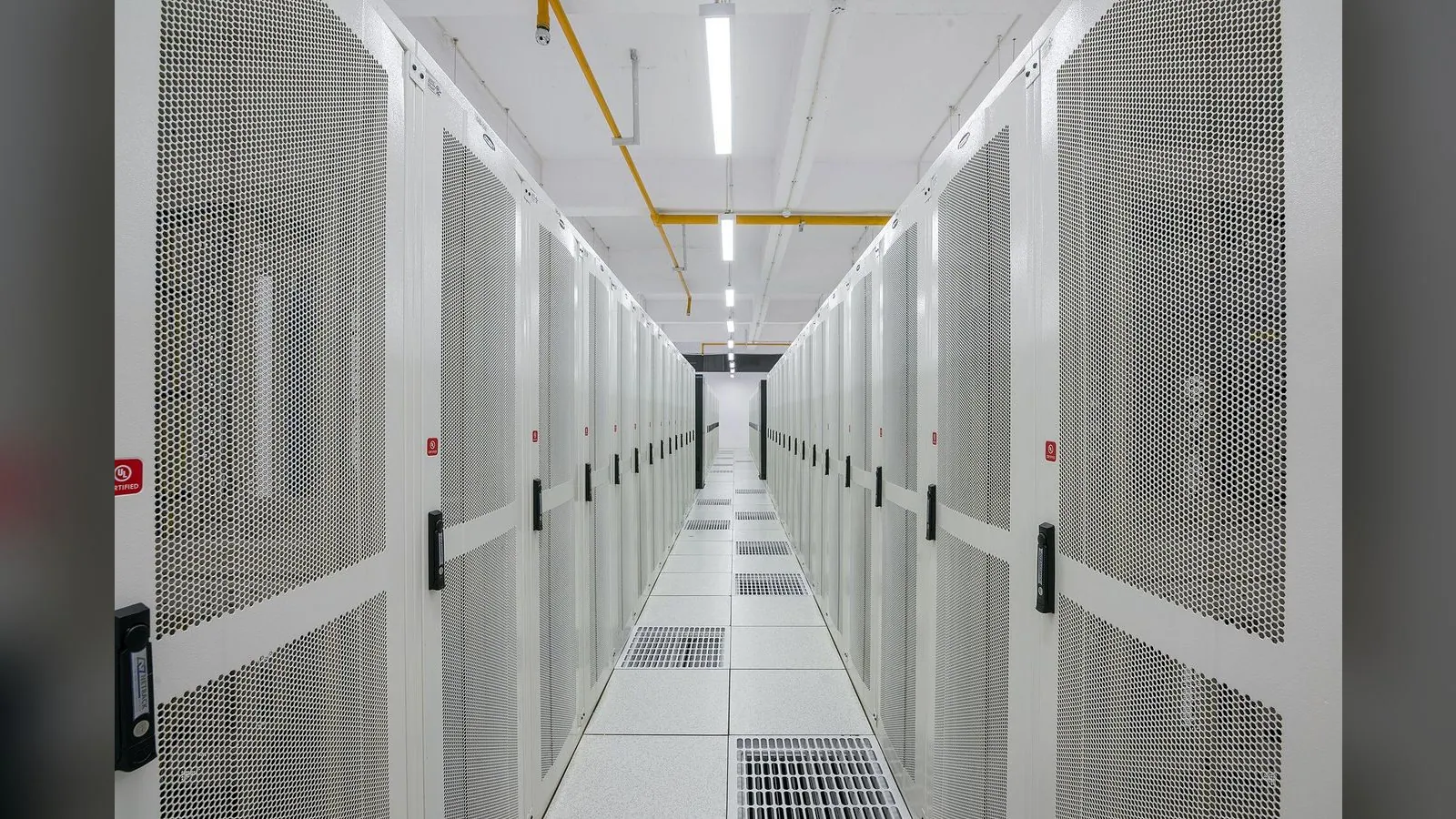
Developers and energy industry groups say lengthy permitting procedures hold up generation and transmission projects, sometimes for years. They argue that increasing available power could ease supply constraints as artificial intelligence drives new data-center construction. Supporters also want data centers to pay for the electricity they use rather than passing costs to ordinary customers.
But approval of a bill cannot guarantee lower electricity bills. Any effect would depend on how quickly projects are actually financed and built, what kinds of power plants are added, how grid costs are allocated and whether demand continues to grow. The measure is an attempt to change the rules, not proof that prices will decline.
Dispute over environmental protections
Environmental groups and some Democratic senators warn that the legislation could make fossil-fuel infrastructure easier to build while narrowing opportunities to challenge projects. They point to proposed changes involving the National Environmental Policy Act, Clean Water Act and Endangered Species Act. Supporters counter that existing review procedures can make even beneficial infrastructure prohibitively slow.
Senator Jeff Merkley criticized the measure for potentially facilitating fossil-fuel development even as it expands renewable energy. Senator John Barrasso argued that lengthy federal reviews impose costs and uncertainty. Those are competing assessments of the bill's likely effects, not outcomes already demonstrated.
Tribal representatives and lawmakers also raised concerns about consultation, sacred sites, traditional lands and sovereignty. Some lawmakers sought amendments, including restrictions on data centers on public lands, but the bill passed without the amendments proposed by rank-and-file senators, AP reported.
What the official amendment summary says
A seven-page document published by Senator Martin Heinrich's office details changes proposed in the substitute amendment. It describes revisions to judicial review, environmental review procedures and tribal participation in transmission planning. It also describes a proposed Department of Energy assistance program to help state, local and tribal governments assess data-center impacts on energy, water, infrastructure and local economies.
The document is a sponsors' account of amendments, not an independent impact assessment. It also describes provisions concerning nuclear licensing, transmission planning and historic preservation, illustrating that the package reaches well beyond data centers.
Next steps
The House must decide whether to take up the Senate text or negotiate differences with its earlier measure. Environmental protections, tribal consultation and the allocation of infrastructure costs are likely to remain central points of contention. Until both chambers pass identical text and the president signs it, the proposed changes do not take effect.
Sources: Associated Press, Nov. 19; Senator Heinrich's amendment summary.