Key points
- BSI raised its annual threat assessment to 'tense to critical'.
- Cyber Index rose to 238 in mid-2026 from 124 a year earlier.
- AI may accelerate exploitation, while smaller firms remain exposed.
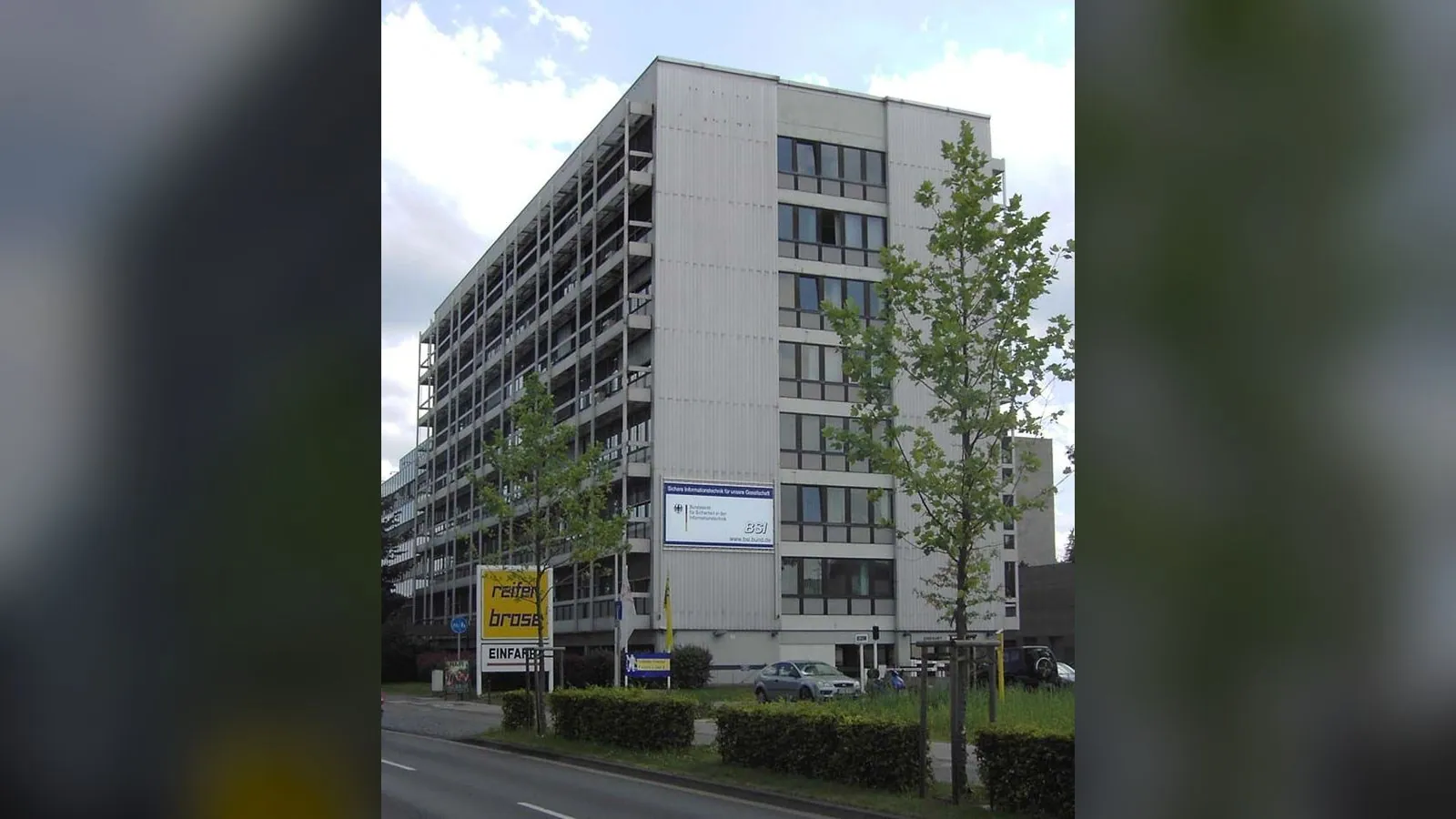
Germany's Federal Office for Information Security (BSI) raised its annual assessment of the country's information-technology security situation on Thursday, November 19, 2026, from “tense” to “tense to critical.” The agency warned that increasingly capable artificial intelligence is changing the speed and reach of cyberattacks, while many businesses remain insufficiently prepared.
The finding is a national risk assessment, not a claim that all German networks have been breached or that every recent attack involved AI. Reuters reported the findings from BSI's annual review.
Threat index rises sharply
BSI's Cyber Index stood at 238 points in mid-2026, compared with 124 points at the same stage of 2025, according to figures reported by Reuters. That is a substantial rise in the agency's measure of cyber threats. The index should not be confused with a count of confirmed attacks, victims or financial losses.
BSI described a shift in attacker capabilities. More powerful AI models can help identify software weaknesses and support their exploitation with greater speed and scale. The agency said attacks are becoming faster, cheaper and more targeted, and observed that email-based attacks are declining as some malicious actors increasingly target systems directly.
This does not establish that AI caused every incident or that automated exploitation always succeeds. It does suggest defenders may have less time between the discovery of a weakness and attempts to abuse it.
Disruption reaches physical services
Reuters cited cyber incidents that disrupted supermarket cooling systems across Europe, blood banks in France and hospitals in Germany. These examples demonstrate how technology failures can interrupt essential operations beyond computers and websites.
The cases should not be conflated: the reporting does not establish a single perpetrator, common technical method or AI involvement across all three. Their significance is the dependence of ordinary services on interconnected digital infrastructure.
BSI also pointed to a growing attack surface as Germany digitises more processes and connects more devices. Each additional connected system may require monitoring, updates and appropriate access controls.
Smaller businesses may be less prepared
The agency warned that consumers and companies can have a false sense of security. Small and medium-sized businesses, an important part of Germany's economy, may lack dedicated security teams and the resources to respond to sophisticated attacks.
Operators of critical infrastructure are generally better protected because they face stronger regulatory requirements, BSI said, but improvements remain necessary. The report also argued that companies have been too slow to strengthen defences, including the use of AI tools to identify vulnerabilities before attackers exploit them.
What regulation changes, and what it cannot
Germany's official BSI reporting portal says implementation of the European Union's NIS-2 cybersecurity rules took effect nationally on December 6, 2025. Organisations covered by the requirements are directed to use the BSI portal for registration and incident reporting.
Reporting obligations can improve visibility and accountability, but compliance alone does not prevent an intrusion. The BSI assessment points to a practical challenge: keeping software patched, limiting unnecessary exposure and preparing incident-response procedures as attack methods evolve.
The implications extend beyond Germany. Organisations worldwide increasingly rely on similar software, suppliers and connected services. BSI's warning is evidence of growing concern about the threat environment, not a forecast that a specific attack will occur. The key test will be whether defensive investment and everyday security practices can keep pace with the risks the agency describes.
Sources: Reuters, November 19, 2026; BSI official NIS-2 information.