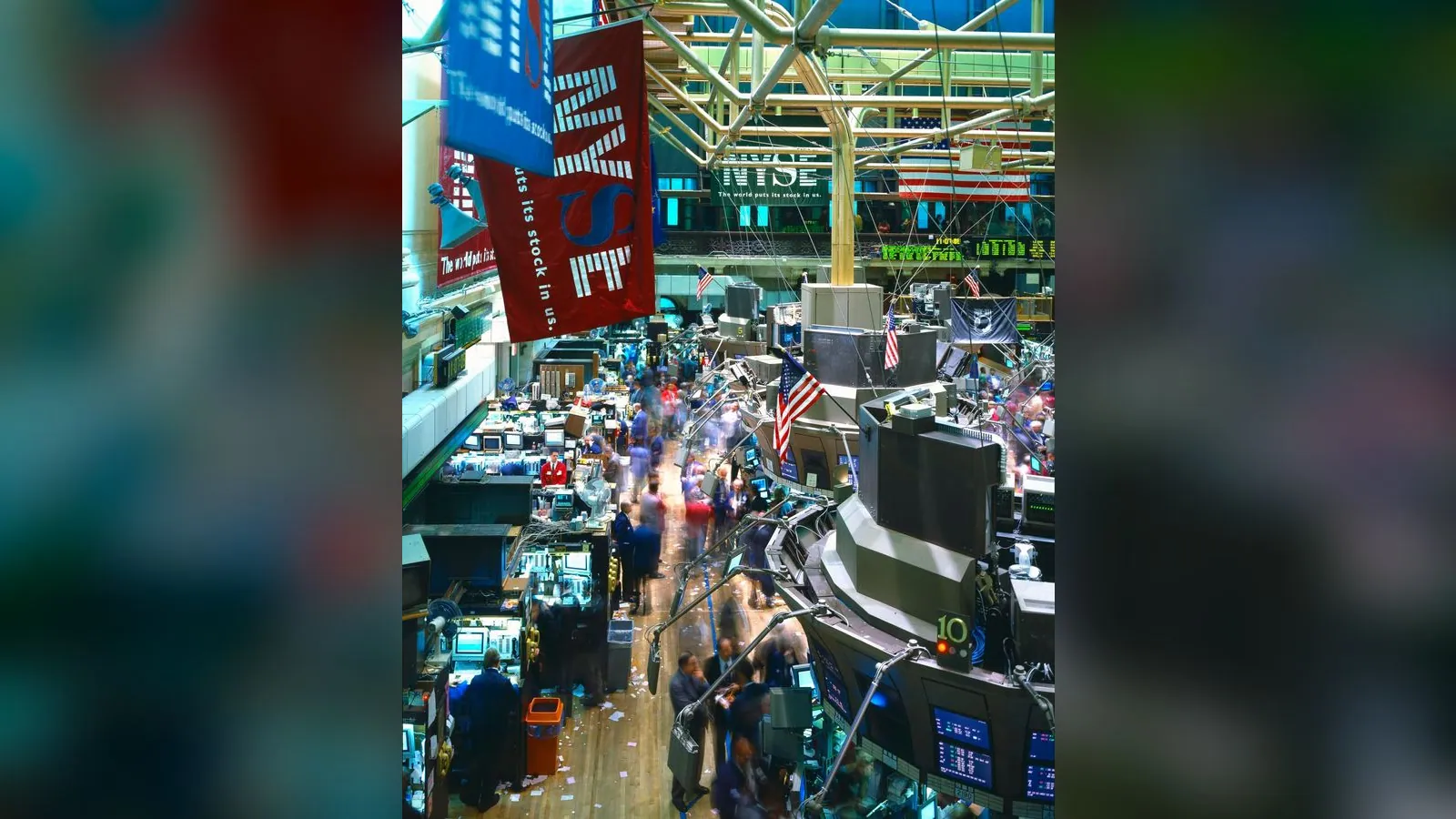
U.S. stocks fell sharply on Thursday, November 19, as investors reassessed the cost of the artificial-intelligence investment boom and the prospect that interest rates will remain elevated. The S&P 500 lost 2% to close at 7,175.83, extending its decline to six consecutive sessions, according to Associated Press market reporting. The Dow Jones Industrial Average dropped roughly 1,101 points, or 2.2%, while the Nasdaq Composite fell 2.3%.
The sell-off was broad: AP reported that more than 90% of S&P 500 constituents declined. That breadth matters because the session was not simply a reversal in a handful of prominent technology stocks. Investors were reducing exposure across much of the market.
AI enthusiasm meets the inflation question
Artificial intelligence remains a central driver of corporate investment, particularly in computing infrastructure and data centers. But building that infrastructure requires electricity, equipment, construction and financing well before the resulting software and productivity gains can be measured.
Chicago Federal Reserve President Austan Goolsbee warned on November 19 that the scale of AI investment could strain the economy's near-term capacity and add to inflation. In comments reported by Reuters, he distinguished possible longer-term productivity improvements from immediate pressure on resources and prices. His remarks were a warning about risks, not a finding that AI investment has already caused a new inflation surge.
The tension matters for investors because higher inflation can keep borrowing costs elevated. Higher rates, in turn, make future corporate profits less valuable in present-day terms and raise the financing costs of expensive infrastructure projects.
A record IPO did not prevent the decline
Anthropic's stock-market debut provided a striking contrast. AP reported that its shares were priced at $83 and closed at $97.17, a 17.1% first-day gain. Yet the broader equity market still finished substantially lower.
That divergence illustrates why a successful listing cannot, by itself, establish that the entire AI sector is fairly valued. Individual companies can attract strong demand even as investors grow more cautious about the sector's overall spending, competition and eventual returns.
What the numbers do and do not show
AP put the S&P 500 at 8.2% below its record from the previous month after Thursday's decline. A market correction does not automatically mean a recession is coming, nor does one session prove that an AI investment bubble has burst. Prices can move sharply as expectations about earnings, inflation and monetary policy change.
The next questions are whether companies can translate AI spending into sustainable profits, whether energy and equipment bottlenecks persist, and whether inflation allows the Federal Reserve more flexibility. For now, Thursday's broad decline shows that investors are demanding stronger evidence that extraordinary investment will deliver extraordinary returns.
Sources: Associated Press, November 19, 2026; Reuters reporting on Goolsbee's November 19 remarks.