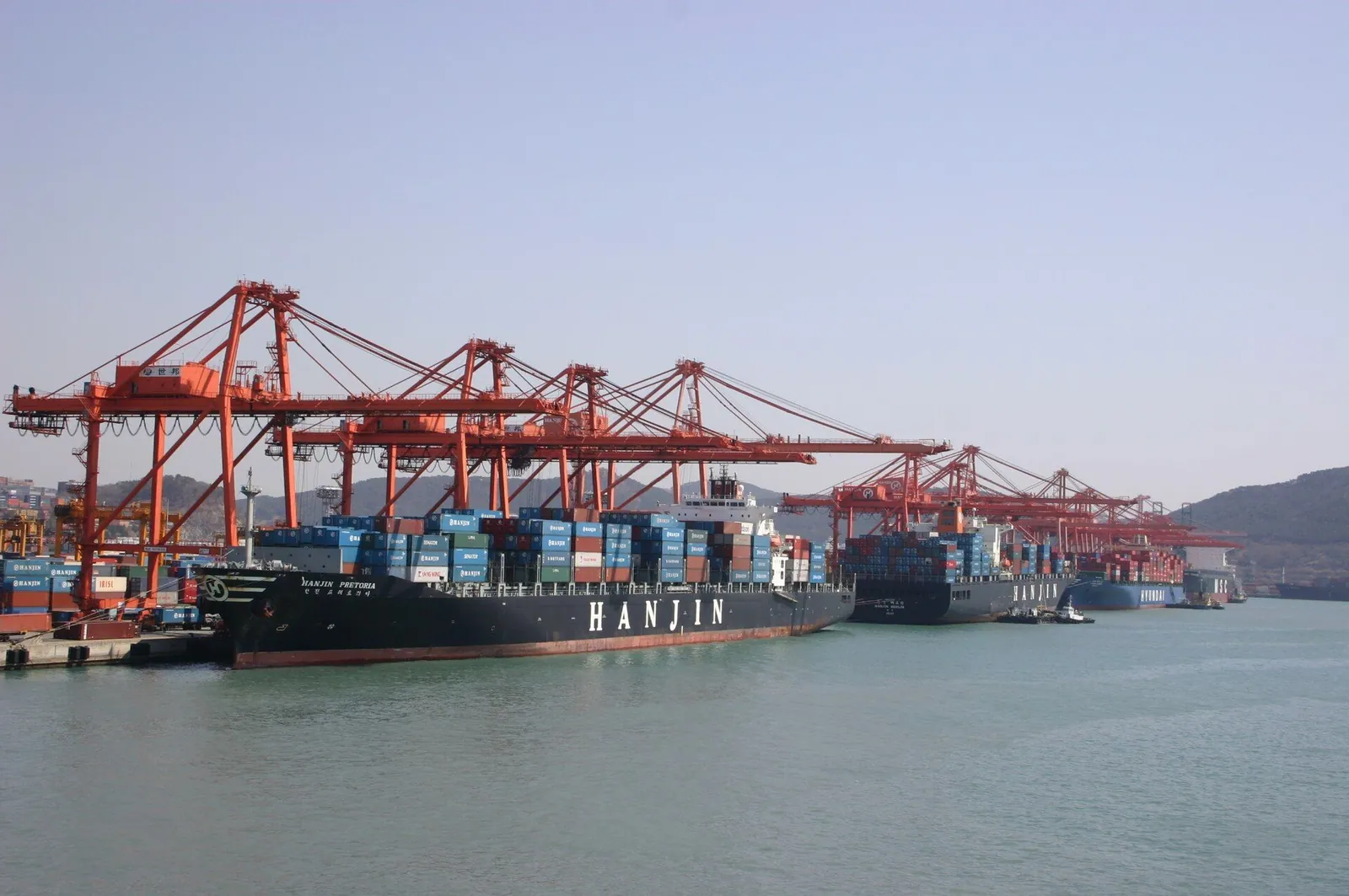
Indonesia is approaching a major change in how it handles exports of coal, palm oil and ferroalloys. Under Government Regulation No. 24 of 2026, a designated state export enterprise is to become the sole intermediary or owner for exports of these strategic commodities. The transition is scheduled to be completed by January 1, 2027. Officials say the system will improve monitoring and prevent undervaluation. It also raises questions about pricing power, commercially sensitive data and who benefits from a state-controlled gateway.
This is not a proposal awaiting parliamentary approval. Government Regulation 24/2026 was enacted on May 20 and took effect on June 1, according to the official JDIH registers. But the system is being introduced in phases, and the government said in November it planned to amend the regulation. A planned amendment must not be reported as already enacted.
What the rule actually requires
Article 3 of PP 24/2026 says covered strategic commodities may be exported only by a state export enterprise, either as owner or sole intermediary. The initial list comprises coal, palm oil and ferroalloys. The regulation also provides for possible exemptions for certain businesses with government contracts containing investment, divestment or domestic processing obligations.
The Trade Ministry issued three implementing regulations, Nos. 15, 16 and 17 of 2026, covering coal, palm oil and ferroalloys respectively. In the first stage, from June 1 through December 31, existing export authorisations can continue to be used, but exporters must submit additional reports and export documents to the state enterprise. The ministry said the second stage, with exports handled through the state enterprise, would start no later than January 1, 2027.
Those dates matter. Describing the arrangement as an immediate ban on private firms exporting throughout 2026 would be inaccurate. It is a staged change in who processes and represents covered exports.
What changed in the government's explanation
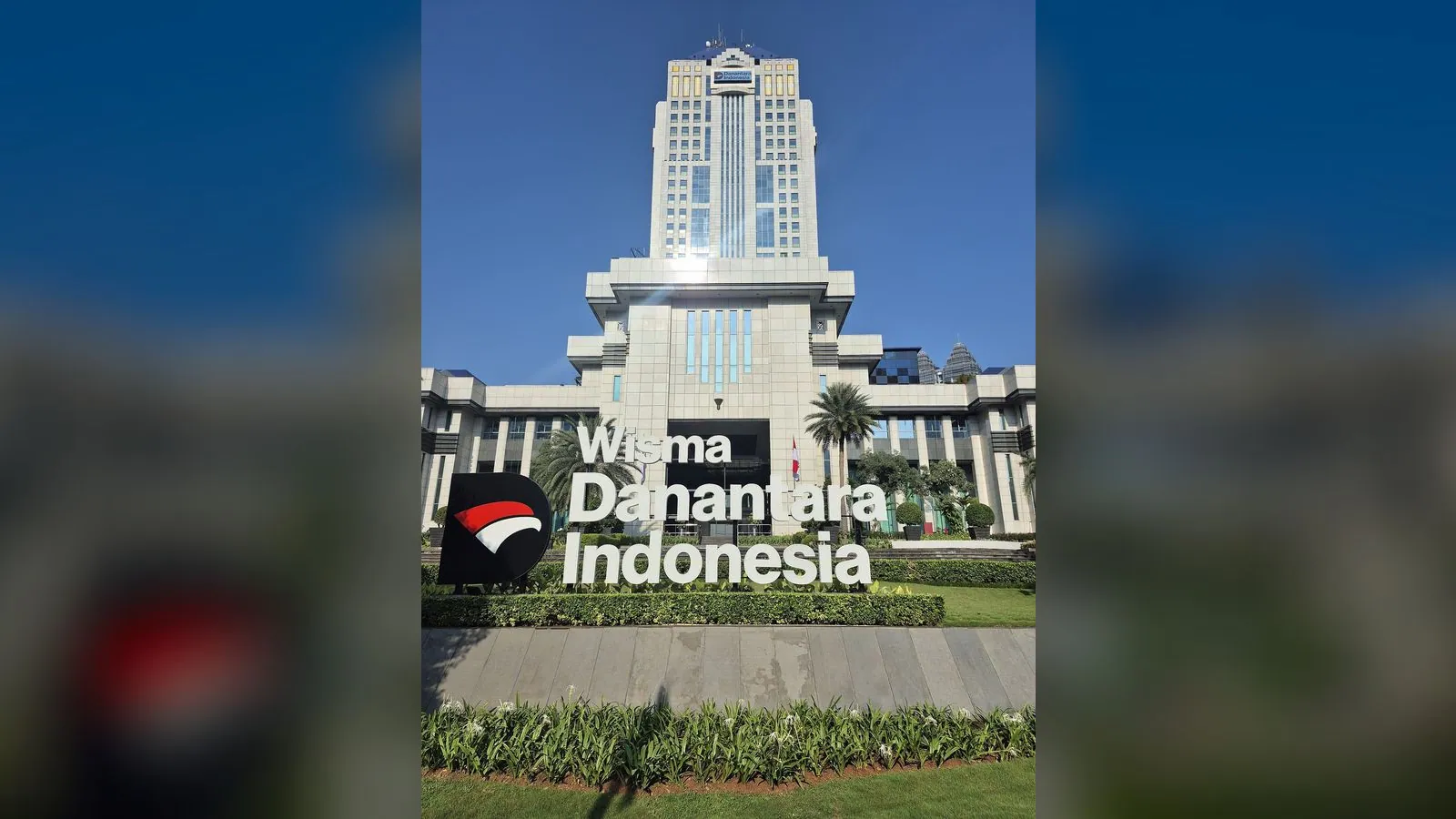
The government identified PT Danantara Sumberdaya Indonesia (DSI) as the state intermediary. Trade Minister Budi Santoso said in early November that commodity-specific obligations would remain with exporters: palm oil's domestic-market requirements, coal work-plan approvals and ferroalloy surveyor documentation would not disappear.
According to ANTARA, DSI would handle export clearance through its system after exporters obtain the relevant trade permits. The government said the new NADI platform would operate from January 2027 and that revisions to PP 24/2026 were being prepared. The published legal registers checked for this report still show PP 24/2026 as in force without a recorded amendment. A statement that changes are planned is not proof that their final legal wording has been adopted.
The case for tighter oversight
The administration argues that a common export gateway can improve visibility over export proceeds, discourage under-invoicing and transfer-pricing abuse, support domestic supply and strengthen Indonesia's position in commodity markets. Officials say existing contracts should continue where their pricing is legitimate. Better documentation could also make it easier for tax and customs authorities to compare shipments, declared prices and foreign-exchange receipts.
Those benefits are policy objectives, not measured outcomes. The government has not, in the cited material, published a quantified estimate of extra revenue directly attributable to the new intermediary, its operating cost or the reduction in unlawful pricing that the platform will deliver.
The costs and conflicts that need scrutiny
A single state gateway creates concentration risk. Exporters may have to disclose contracts and pricing formulas to an entity that operates inside a state commercial ecosystem. Independent reporting has raised questions about confidentiality and possible conflicts where state-linked firms also compete in commodities. The existence of those concerns does not prove that DSI has misused information.
The practical tests are whether commercially sensitive data are ring-fenced, whether the intermediary's fees and margins are published, how prices are benchmarked, who audits the platform, and how exporters can appeal a disputed clearance decision. A delayed clearance can mean demurrage charges, missed shipment windows or payment disputes. Such costs may eventually affect producers, transport operators, workers and consumers, but their scale has not been established.
Smaller exporters may be particularly exposed if they lack compliance teams. Conversely, a genuinely uniform and transparent process could reduce arbitrary treatment. Neither result should be assumed without implementation evidence.
Domestic needs and environmental accountability
Coal export rules still interact with domestic electricity supply, while palm oil export rules interact with domestic cooking-oil obligations. The Trade Ministry says the new system does not replace those requirements. It remains necessary to see whether a central intermediary improves enforcement in practice.
Export oversight is also not a substitute for environmental enforcement. Tracking a coal shipment or palm oil sale does not establish that mining rehabilitation, land tenure, deforestation or community consultation requirements were satisfied. Independent checks at the production stage remain necessary.
What must be published before January
A credible rollout should publish the final amended regulation if adopted, DSI's mandate, the platform's technical rules, applicable charges, contract confidentiality protections, audit arrangements and appeal procedures. Authorities should also publish comparable performance data: clearance times, rejected shipments, pricing discrepancies and net public revenue after administrative costs.
The policy could strengthen the state's capacity to monitor strategically important exports. It could also shift bargaining power and compliance costs in ways that are not yet transparent. The decisive evidence will be implementation records, not assurances alone. As of November 20, the official regulation is verifiable, while the precise revised operating framework and its effects remain to be demonstrated.
Sources
- 1.PP 24/2026 official legal register, peraturan.bpk.go.id
- 2.State Secretariat explanation of PP 24/2026, setneg.go.id
- 3.Trade Ministry implementing regulations and transition, kemendag.go.id
- 4.ANTARA: Minister says export requirements unchanged, en.antaranews.com
- 5.Straits Times: export centralisation and monitoring concerns, straitstimes.com
- 6.JDIH Ministry of Finance: regulation status, jdih.kemenkeu.go.id