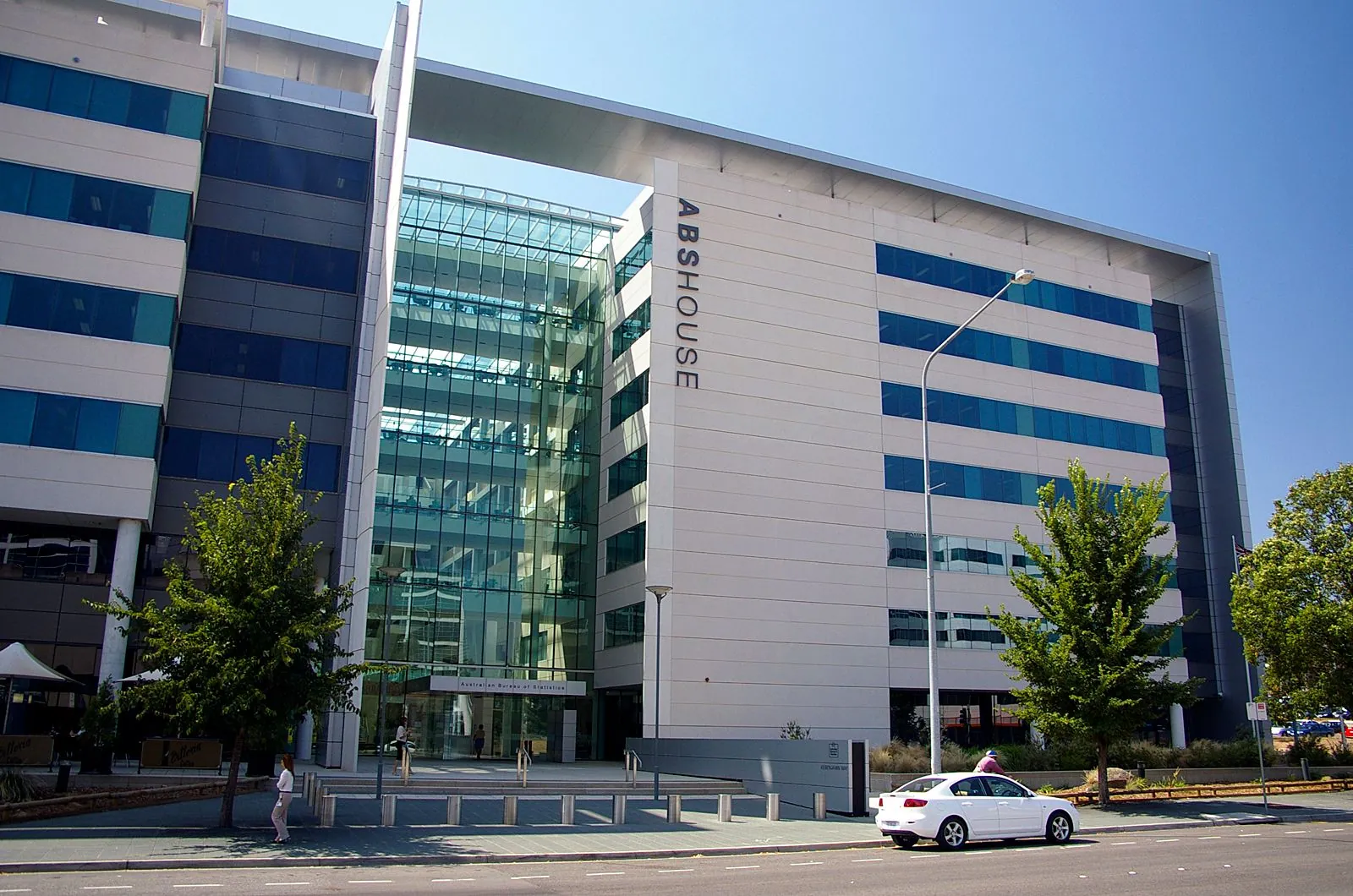
Australia's unemployment rate rose to 4.9% in October 2026, its highest since October 2021, as employment fell sharply, according to figures published by the Australian Bureau of Statistics (ABS) on 19 November. The data add to concern about a slowdown following interest-rate increases, although they do not by themselves establish that Australia is in recession.
The October numbers
Seasonally adjusted employment fell by 43,500 to 14,738,600, while the number of unemployed people increased by 17,800 to 753,700. The unemployment rate climbed from 4.7% in September to 4.9% in October. The employment-to-population ratio declined by 0.3 percentage points to 63.3%, and participation fell by 0.2 points to 66.6%.
Most of the employment losses were in part-time positions, which declined by 40,600; full-time employment decreased by 2,900. Monthly hours worked dropped 0.2%. Youth unemployment increased to 11.3%, its highest level since October 2021, the ABS said.
These are estimates based on a household survey, not a comprehensive tally of company layoffs. The distinction matters when interpreting the figures or attributing them to individual employers.
A weaker headline, a steadier trend
The ABS also publishes trend estimates to smooth short-term volatility. On that basis, the unemployment rate increased to 4.8% from 4.7%, while employment rose slightly, by 7,200. The gap between the trend series and the seasonally adjusted monthly fall is a reminder not to treat one release as a complete economic diagnosis.
The statistics agency advised caution about month-to-month movements. It adjusted the weights of approximately 1,390 respondents in one Victorian survey rotation group and identified variation in the South Australian incoming sample. Such statistical adjustments are part of the process of producing population estimates; they do not erase the rise in measured unemployment.
Underemployment, which captures people with jobs who want and are available for more hours, declined slightly to 6.2% in the seasonally adjusted series. The combined underutilisation rate was unchanged at 11.1%. Those figures complicate any simple claim that every labour-market measure deteriorated in October.
Why interest rates matter
Australia's central bank has raised interest rates repeatedly in 2026 in an effort to contain inflation. Higher borrowing costs can reduce demand and hiring, but the timing and size of those effects are uncertain. Reuters reported on 19 November that the labour-market surprise encouraged investors to anticipate a possible interest-rate cut in 2027.
That market pricing is not a policy announcement by the Reserve Bank of Australia. Central bankers must weigh inflation against the risk that weak hiring and job losses will further constrain household spending. The new employment data make that balancing act more difficult, without determining the outcome of the next meeting.
A separate Roy Morgan survey released on 17 November reported a much higher alternative unemployment estimate of 11.3% for October. Its definition and sample methodology differ from the ABS's internationally comparable official unemployment series. The two percentages should not be presented as interchangeable measurements.
What happens next
The ABS's next monthly labour-force release, covering November, is scheduled for 17 December 2026. Inflation data and Reserve Bank statements will also shape expectations for monetary policy.
For workers, the immediate significance is that the official count of unemployed people increased while employment and participation declined. For policymakers, the question is whether the deterioration persists beyond a single survey month. The evidence supports a finding of labour-market weakness, not a definitive recession forecast.