JAKARTA, November 23, 2026, Indonesia faces new United States licensing requirements for certain advanced artificial intelligence chips under export controls that took effect on November 19. The measure also targets overseas data centers supplying significant computing power to companies based in China and other designated jurisdictions.
Five countries face additional controls
The US Commerce Department's Bureau of Industry and Security (BIS) named Indonesia, Malaysia, Singapore, Thailand and Brazil in the new rules. Exporting, reexporting or transferring covered advanced computing semiconductors to those destinations now requires US authorization, subject to specified exceptions. Certain shipments to companies headquartered in the United States are exempt if reporting conditions are satisfied.
The Federal Register text published November 19 describes these five countries as presenting higher-than-normal risks of chip diversion. That is a regulatory risk classification, not evidence that Indonesia or any individual Indonesian operator has diverted chips.
The restrictions concern defined advanced computing products and transactions. They do not prohibit every semiconductor shipment, ban all cloud services or shut down existing data centers. The precise obligations depend on technical classifications, end users, ownership and the circumstances of a transfer.
Closing the remote-computing route
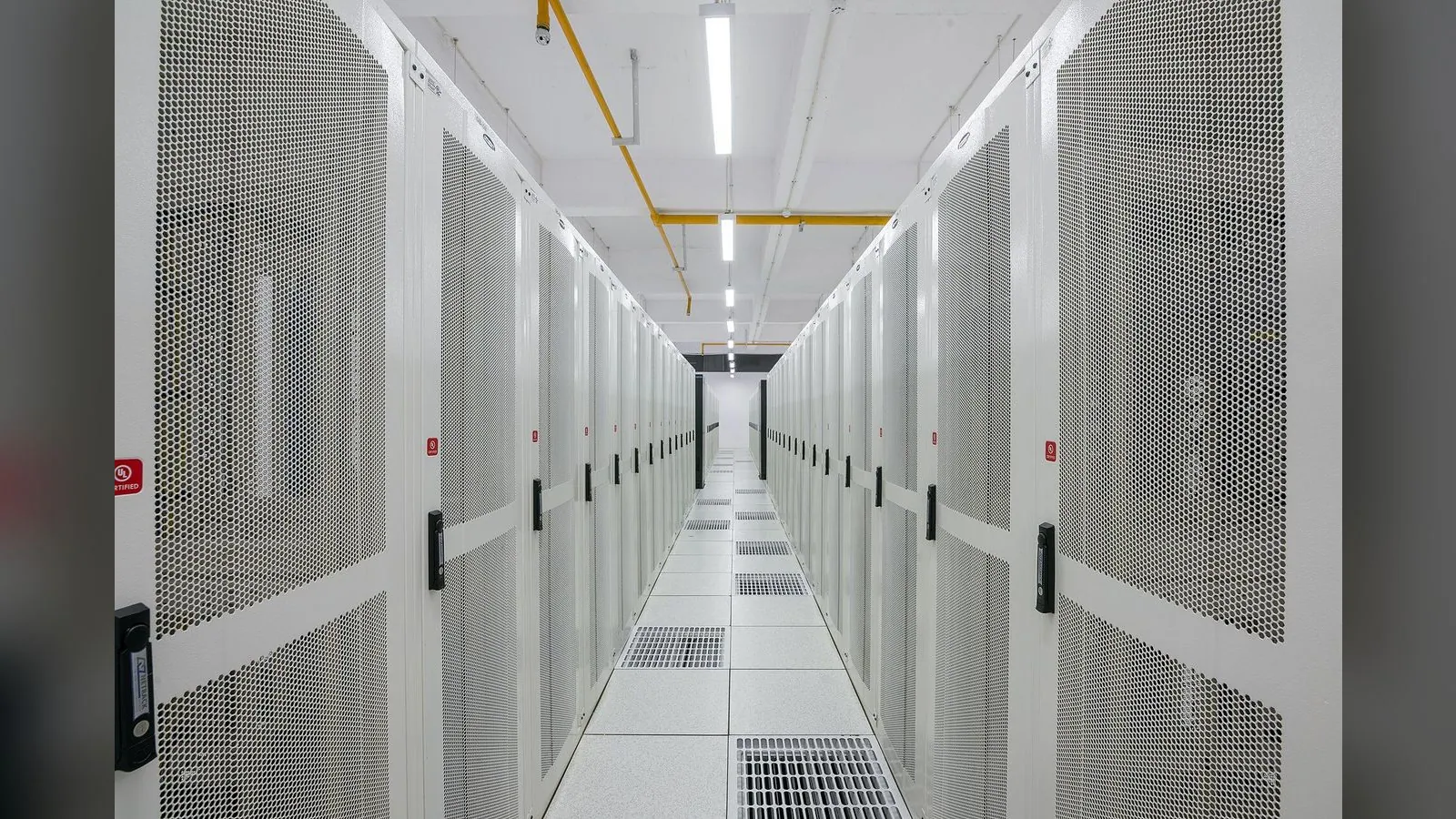
The second major element addresses data centers anywhere in the world that provide substantial advanced computing capacity to companies headquartered in China, Macau or other specified destinations. US authorities are concerned that companies barred from directly obtaining sensitive chips can instead rent the same computing capacity through overseas facilities.
The rule therefore extends compliance scrutiny beyond the physical destination of a chip to the customers using the computing services. Data-center operators, chip suppliers and intermediaries may need to assess ownership and intended use before proceeding with transactions.
Associated Press reported on November 17 that the US move was intended to restrict indirect access to American AI technology. It described investigations concerning a Singapore-based company suspected of diversion. Those allegations remain specific to the subjects of the investigations and should not be treated as proof of misconduct by other companies or countries.
What it means for Indonesia
Indonesia's inclusion matters for companies planning high-performance AI computing facilities, cloud infrastructure or imports of sophisticated processors. A proposed transaction that previously faced fewer controls may now require additional documentation and a licensing decision. Businesses should examine the actual rule and seek appropriate compliance advice rather than assume all chip purchases are prohibited.
The government has not, in the cited sources, provided a verified estimate of Indonesian investment delayed or hardware orders affected. Nor does the new regulation itself establish how many licenses will be granted or denied. Claims that the rule has already halted Indonesia's AI industry would therefore go beyond the available evidence.
The move also comes amid broader US-China tensions over access to computing technology. The distinction between preventing sensitive end uses and preserving legitimate international business is central to how the controls will operate.
What happens next
The regulation took effect on November 19, and BIS is accepting public comments through January 18, 2027, according to legal analysis by Latham & Watkins. Operators and regulators will have to interpret its requirements in specific cases. Future licensing decisions, enforcement actions and any changes following public comments will be more informative than speculation about immediate economic losses.
For readers and businesses in Indonesia, the key distinction is straightforward: an added license requirement is not the same as a comprehensive import ban. The rule is in force, but its ultimate impact on domestic AI investment remains to be established.
Sources: US Federal Register; Associated Press; Latham & Watkins.