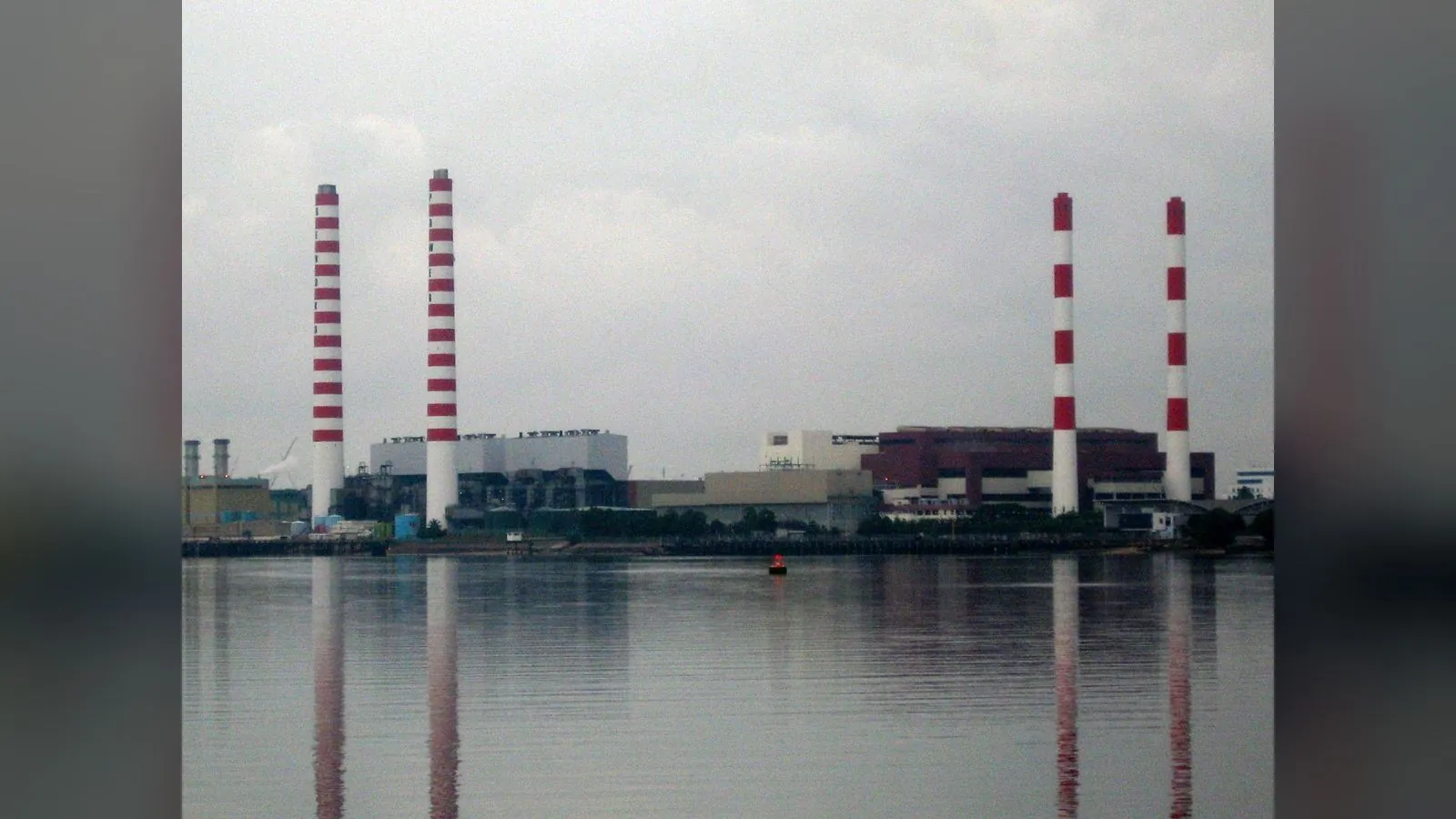
Singapore said on November 20 that Indonesia had fully restored piped natural gas deliveries on November 12, ending an 18-day reduction that highlighted a difficult balance between Jakarta's domestic electricity needs and its export commitments to a neighbouring energy hub.
A spokesperson for Singapore's Ministry of Energy, Trade and Industry (METI) said no further reduction had been notified. The statement confirms the resumption of flows, but does not by itself settle the separate disagreement over whether the earlier curtailment complied with commercial contracts.
How the interruption unfolded
Indonesia began reducing pipeline deliveries on October 24. Its upstream oil and gas regulator, SKK Migas, said gas previously intended for Singapore would instead support power generation in Batam, Bintan and Sumatra. Indonesian officials described a planned reduction of 31 million standard cubic feet per day across supplies associated with Natuna and Sumatra.
The announcement came after a lengthy blackout in Batam and surrounding areas had put a spotlight on domestic energy reliability. Indonesia's government has argued that its own electricity demand should take priority when gas supplies are tight.
Singapore's Energy Market Authority (EMA), using information from importers, reported a smaller effective reduction of 17 billion British thermal units per day over 18 days. That represented less than 2% of the city-state's daily gas demand, which exceeds 1,000 billion British thermal units. The different figures describe announced export reductions and the impact reported by Singapore's importers; they should not be treated as interchangeable measurements.
METI's November 20 confirmation establishes that normal pipeline deliveries had resumed eight days earlier. It did not announce a new long-term supply arrangement or say that contractual questions had been resolved.
A dispute over contracts
The temporary cuts prompted public comments on both sides. Singapore Prime Minister Lawrence Wong said on October 25 that parties should honour their contractual commitments. Indonesian Energy and Mineral Resources Minister Bahlil Lahadalia subsequently maintained that Indonesia was still supplying the minimum volume required under its agreements and had not breached them.
Those are competing positions, not a finding by a court or an arbitration panel. Public reporting reviewed for this article does not establish that a breach occurred, or that one was formally ruled out. The affected Singapore importer, Gas Supply, said the temporary reductions had affected deliveries to customers, according to Singapore reporting.
Singapore's regulator said during the interruption that the country had sufficient energy supplies to meet demand and that importers could use contractual remedies. The public statements did not quantify any eventual compensation or establish that customers experienced electricity outages because of the reduced Indonesian gas flow.
Why the episode matters beyond 18 days
Natural gas accounts for roughly 95% of Singapore's electricity generation, making continuity of fuel imports an important national concern even when a particular disruption is relatively small. The country has pursued supply diversification and access to liquefied natural gas to limit dependence on any one pipeline or exporting state.
For Indonesia, the episode exposed a different pressure: using domestically produced gas for power plants in industrial and residential centres while continuing to serve existing overseas customers. Redirecting gas can help address immediate local requirements, but recurring changes would also affect how buyers assess the predictability of supply.
The two countries' existing pipeline gas contracts run to the end of 2028, according to Singapore reporting. That date gives negotiations over future volumes, domestic priorities and commercial protections added significance. It does not mean deliveries will necessarily stop in 2028.
The confirmed restoration is therefore an immediate easing of supply pressure, rather than proof that the underlying policy tension has disappeared. Further announcements on export allocations, contract renewals or actual supply changes will be needed to assess the longer-term implications.
What is confirmed and what remains unclear
Confirmed: Singapore's ministry says full piped deliveries resumed on November 12 and no further reduction had been notified as of November 20. EMA put the effective shortfall at under 2% of national daily gas needs during the interruption.
Not established by the available public evidence: a legal determination on contract compliance, the final financial cost to affected buyers, or any agreement that guarantees future volumes beyond existing contracts. Treating those questions as settled would overstate what officials have disclosed.
Sources
- 1.Reuters, Singapore says Indonesian piped gas supply fully restored, 20 November 2026, reuters.com
- 2.The Straits Times, Indonesia restored piped gas supply, 20 November 2026, straitstimes.com
- 3.Reuters, Indonesia meeting gas deal terms, 26 October 2026, reuters.com
- 4.The Business Times, Indonesia's PNG supply restored, 20 November 2026, businesstimes.com.sg