Anthropic said on November 20 that it had closed its record-setting initial public offering after underwriters exercised their entire option to buy another 147 million shares at $83 each. The decision increased the public offering's gross size to approximately $93.5 billion, but came as the newly listed AI company's shares retreated sharply from their debut.
The disclosure is important for two reasons: it clarifies how much capital the company actually raised, and it changes the mechanics of potential price support immediately after the listing.
What the company disclosed
According to Anthropic's November 20 announcement, the offering comprised 1.127 billion Class A shares. Anthropic itself sold approximately 1.103 billion; existing shareholders sold about 23.65 million. Gross proceeds attributable to Anthropic were about $91.6 billion, while the total offering, including the shareholders' portion, amounted to about $93.5 billion before fees and expenses.
A separate, concurrent $26 billion private placement of Class N shares to technology companies including AMD, Broadcom, Google, Micron, Microsoft, Nvidia and TSMC Partners brought combined gross proceeds from the public and private transactions to about $119.5 billion. These figures describe different pools of money and should not be conflated with the company's market valuation or net cash after costs.
The SEC pricing document dated November 18 initially specified 980 million offered shares and an additional 147 million-share option. The full exercise of that option explains why the final offering size exceeded the initial $81.34 billion base transaction.
Why the option matters
In an IPO, underwriters can receive an option to purchase extra shares, commonly called a greenshoe. Depending on how the deal is structured, the underwriting syndicate may use purchases in the market to cover a short position and potentially help stabilize trading. That possibility is not a guarantee of support or a promise that a stock will stay above its offering price.
Reuters reported on November 20 that Morgan Stanley, the stabilization agent, had closed the position by exercising the option directly with the company. This removed a potential source of aftermarket buying associated with covering the overallotment.
Anthropic shares began trading on Nasdaq under ANT on November 19. Reuters reported a first-day close of $97.17, around 17% above the $83 offering price. The shares then fell to approximately $86 on November 20, a decline of roughly 11.5% on the day. The retreat does not reverse the capital raised in the IPO; it affects the market value of shares held by investors.
A wider test for AI financing
The listing coincided with a broad technology sell-off and renewed scrutiny of the enormous computing commitments underpinning advanced AI development. A successful fundraising transaction and volatile subsequent trading can coexist: one measures the issuer's access to capital at the offering price, the other the market's evolving assessment of risk.
Investors will now be watching whether Anthropic can turn rapid revenue expansion into sustainable profitability while meeting infrastructure obligations. Neither the size of the IPO nor the first two trading sessions alone settles that question.
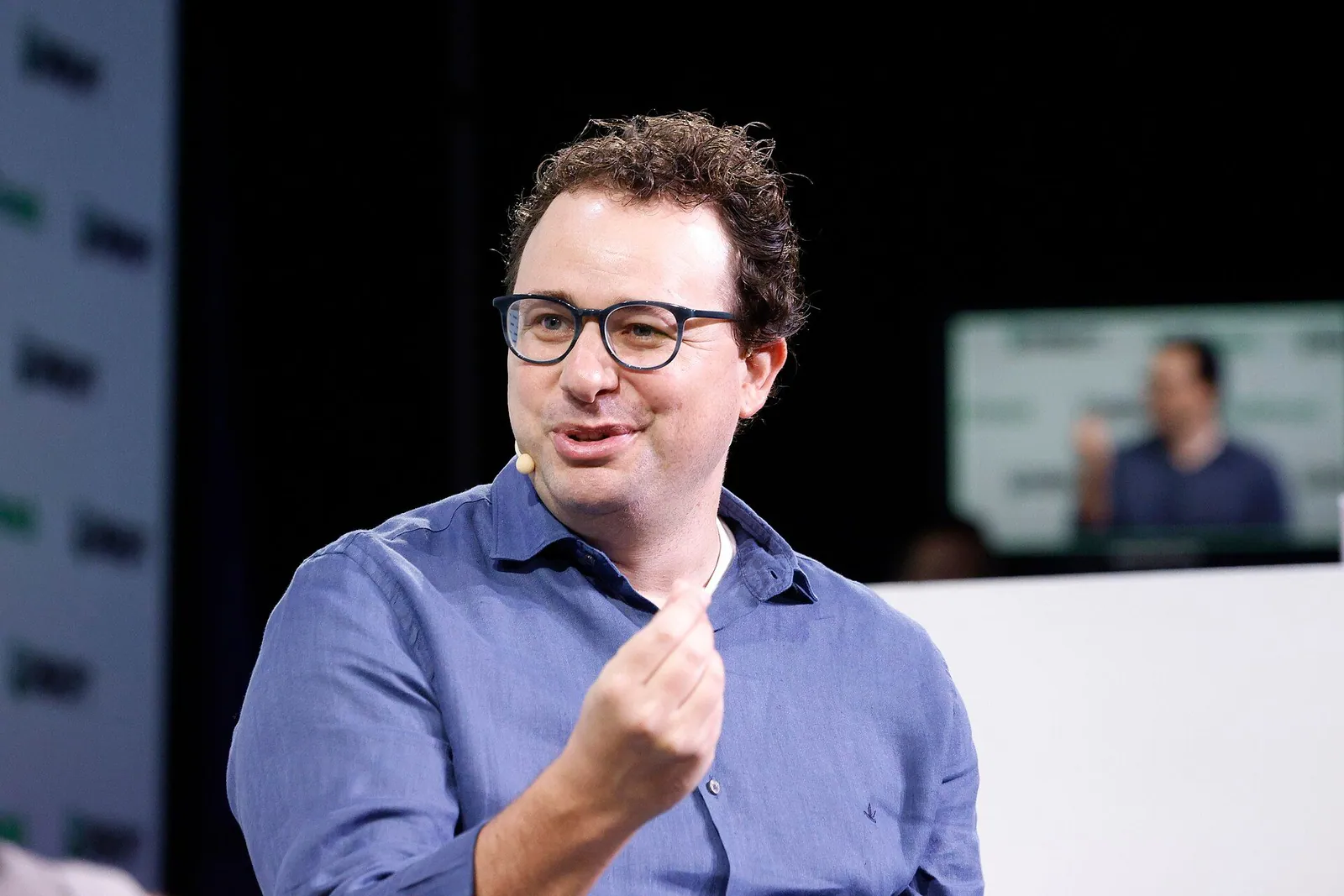
Cover image: archival photograph of Anthropic chief executive Dario Amodei at TechCrunch Disrupt in September 2023; it does not depict the November 2026 listing.