WASHINGTON, President Donald Trump said on November 20 that American companies building artificial intelligence data centers overseas could face a substantial tax, introducing uncertainty for a fast-growing industry that depends on international computing infrastructure. The president did not specify a tax rate, a legal mechanism or when any measure might take effect. The remarks are a proposal, not an enacted tax.
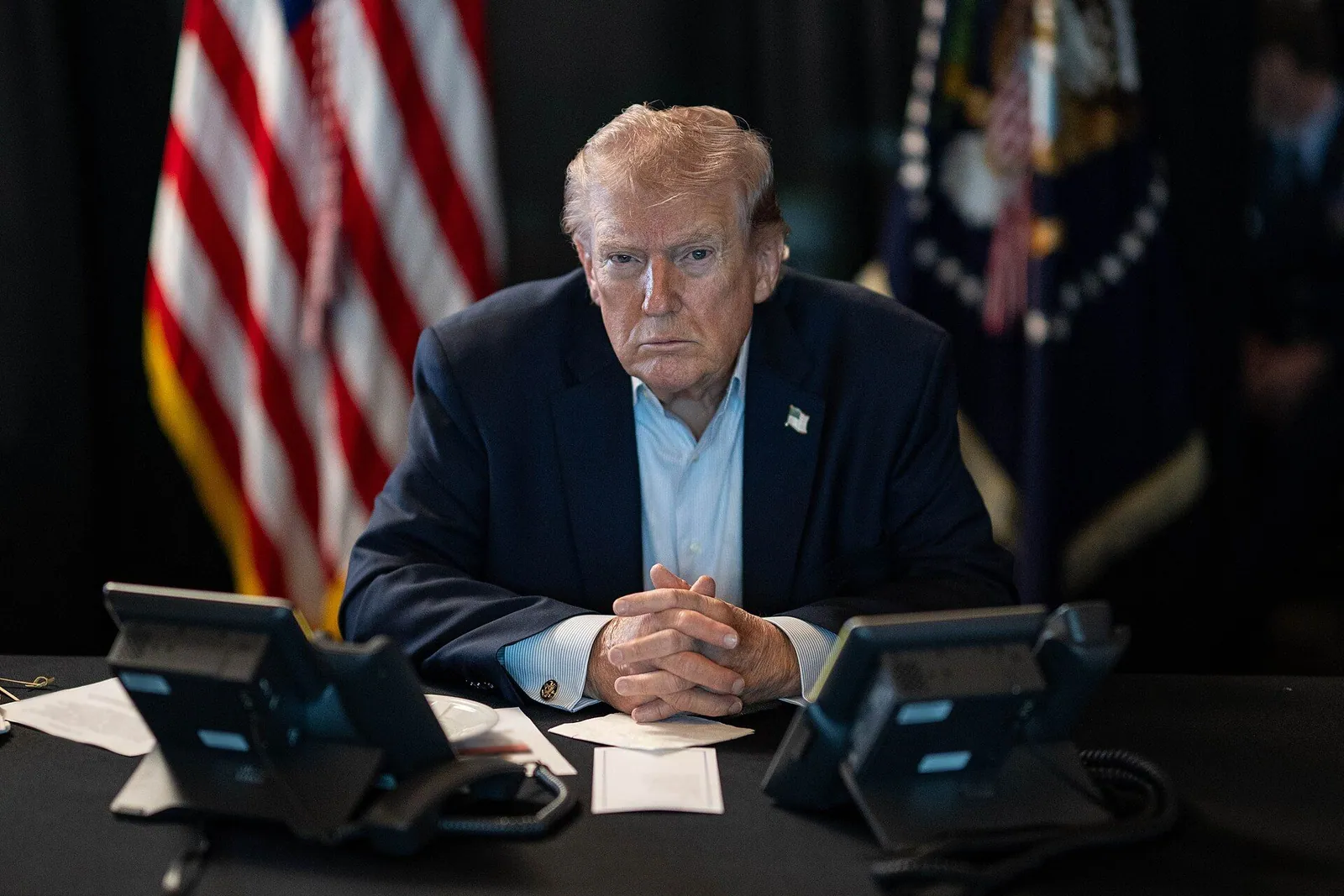
Speaking to reporters at the White House after returning from Asia, Trump argued that the United States should retain more of the infrastructure supporting advanced AI. According to Reuters and the Associated Press, he said companies choosing overseas construction would face a “tremendous tax.” AP reported that he acknowledged he had not yet discussed the idea with his own staff.
Why companies build abroad
Data centers host servers used for cloud services and to train and operate AI models. Operators place facilities in different regions to serve customers closer to their markets, reduce network delays and diversify capacity. Reuters identified companies such as Equinix and Digital Realty as potentially affected by uncertainty over overseas investment. Neither the scope of the threatened measure nor its application to existing facilities has been established.
The announcement follows a separate, concrete regulatory move. A US Commerce Department interim final rule published in the Federal Register on November 19 addresses remote access to advanced US-origin computing chips. It restricts certain overseas data-center arrangements supplying substantial computing capacity to companies headquartered in designated countries of concern or Macau. That export-control rule should not be confused with Trump's still-unspecified tax threat.
Resistance at home
Trump's call to build more computing capacity domestically comes as proposed facilities encounter opposition over electricity demand, power bills, water use and local impacts. The Associated Press reported that about three-quarters of respondents in its election voter survey opposed a new data center in their own community. Such sentiment complicates the administration's ambition to expand US infrastructure while discouraging foreign alternatives.
Trump suggested developers negotiate benefits with host communities, potentially including lower utility bills or other payments. Those suggestions are not proof that any particular project will reduce household energy costs. The AP also reported that the Senate had approved an energy-permitting bill intended to accelerate infrastructure development and address the costs of grid upgrades, with further legislative consideration still required.
What remains unresolved
For technology firms and overseas partners, the immediate question is whether the White House produces a formal proposal and what authority it would invoke. A tax could affect where companies invest, but the magnitude and legal reach cannot be calculated from the president's remarks alone. Until implementing documents appear, claims that a new overseas data-center tax is already in force would be premature.
Sources: Reuters, November 20; Associated Press, November 20; Federal Register, November 19.
Sources
- 1.Reuters, Trump says US to penalize firms building data centers abroad, 20 November 2026, reuters.com
- 2.Associated Press, Trump seeks to penalize US companies building AI data centers abroad, 20 November 2026, apnews.com
- 3.US Federal Register, Addressing Remote Access to Advanced Semiconductors, 19 November 2026, govinfo.gov