Key points
- South Korea crossed $1 trillion in cumulative exports on November 19.
- Semiconductor shipments accounted for roughly 43% of January, October exports.
- The government faces pressure to spread gains beyond the chip industry.
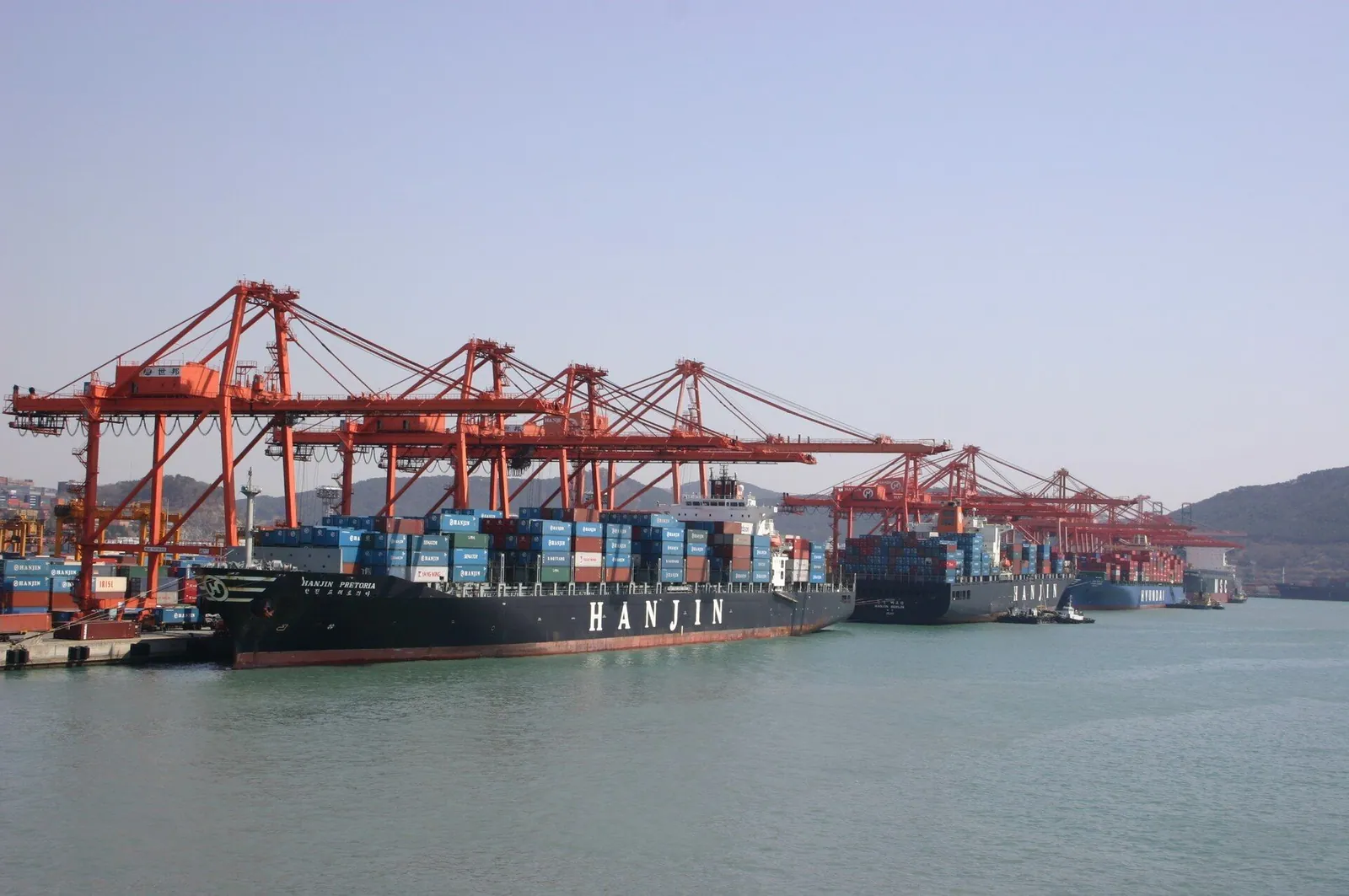
South Korea crossed $1 trillion in merchandise exports for the first time on November 19, 2026, an extraordinary milestone powered by the global rush to build artificial-intelligence infrastructure. But the achievement also exposes how dependent the country's trade performance has become on one industry, and how difficult it may be to turn soaring overseas sales into broader prosperity at home.
The Ministry of Trade, Industry and Resources said the threshold was reached at 2:09 p.m. local time on Thursday. According to the ministry and Reuters, South Korea is the fourth country to pass $1 trillion in annual exports, after the United States, China and Germany. The figure represents cumulative shipments in 2026, not a single month's sales or the value of the economy.
Semiconductors drive the milestone
The government's October trade release showed exports of $115.28 billion in that month alone, up 93.7% from a year earlier. Cumulative exports had reached about $930 billion by the end of October, putting the trillion-dollar mark within reach before the end of November.
The ministry attributed much of the acceleration to semiconductors and computers as large technology companies expanded AI infrastructure. According to Yonhap's November 19 report citing the ministry, semiconductor exports amounted to about $397 billion during January, October, compared with $135 billion a year earlier. Chips represented approximately 43% of the country's total exports over that period.
That concentration is economically significant. Higher demand for memory chips and rising selling prices can lift export revenue rapidly, but also leave the headline total exposed to changes in the technology investment cycle. South Korea is home to major memory-chip manufacturers Samsung Electronics and SK Hynix.
The boom has not been uniform. Reuters reported that traditional sectors including automobiles, steel and shipbuilding have faced a more difficult environment amid tariffs, protectionism and geopolitical uncertainty. The ministry also identified volatility in chip prices and international trade restrictions as risks.
A record surplus, but an uneven domestic picture
The government's October figures put the cumulative trade surplus for the first ten months at $294.9 billion. That is a measure of the gap between exports and imports, not government revenue or an amount automatically available for public spending.
President Lee Jae Myung welcomed the milestone while arguing that the benefits should extend beyond large exporters and the Seoul metropolitan area. In remarks reported by Reuters, he called for investment in new growth industries and for export success to translate into better living standards across regions and businesses.
Reuters reported that domestic demand remained weak despite the export surge, with high prices, interest rates and stock-market volatility weighing on households. The administration has outlined a 162.3 trillion won Future Response Fund aimed at supporting growth industries, young people, education and regional development. The proposal should not be confused with money already disbursed to households.
Six major business associations likewise called for stronger links between exports, domestic investment, jobs and regional revitalisation. Their appeal reflects the central policy question: whether a technology-led trade boom can support suppliers, workers and communities outside the biggest chip producers.
What comes next
The industry ministry expects semiconductors to remain a major export driver, but its own warnings show why the $1 trillion milestone is not a guarantee of continued growth. A slowdown in AI data-centre investment, a correction in memory prices or new trade restrictions could alter the trajectory.
For trading partners, the figures underline South Korea's increasingly important role in supplying the chips and computing components behind AI expansion. For South Korea, the harder test will be whether record shipments produce resilient employment, investment and purchasing power after the current surge in chip demand.
The figures here refer to information released or reported through November 19, 2026. They do not constitute a forecast of the full-year final tally.