Key points
- On 14 November 2026 Foreign Minister Arrmanatha Nasir said more than 80 percent of forest fires were finished, citing the President's commitment.
- BNPB data show area still burning fell from 17,942 hectares on 24 October to about 1,925 hectares on 8 November, roughly 89 percent.
- BNPB was still fighting 254.89 hectares in Central Kalimantan in the 24 hours to 15 November; Walhi counted 1,433 high-confidence hotspots on 1 to 8 November.
- Health Minister Budi Gunadi Sadikin said the day before that haze illness fell because of rain.
- Verdict: partly true.
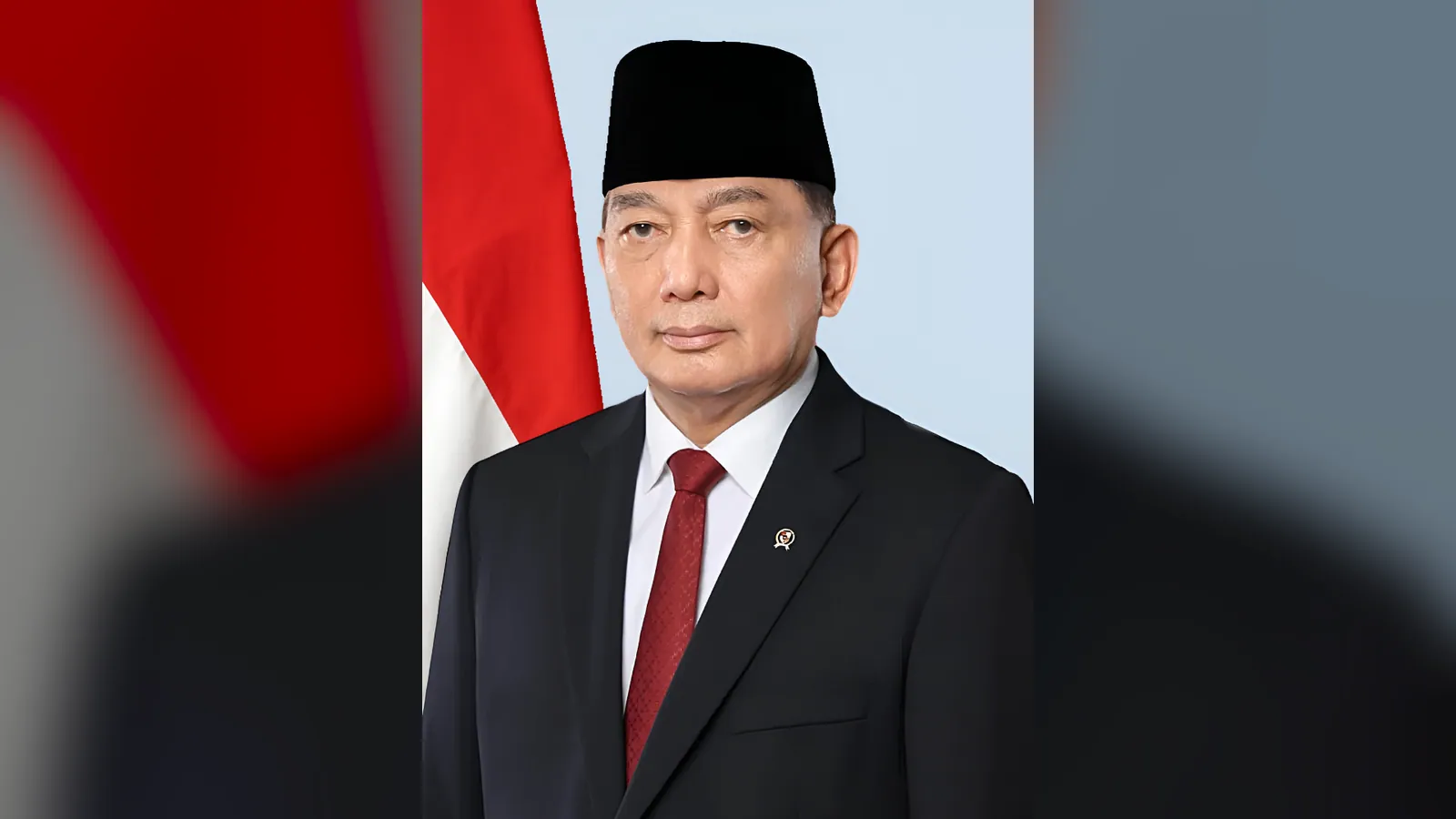
The claim: Speaking to reporters in Manila on Saturday 14 November 2026, on the sidelines of the 49th ASEAN Summit, Foreign Minister Arrmanatha Nasir said he had told his Singapore and Malaysia counterparts about the President's "very high commitment to resolving the forest and land fire problem" and the many steps taken. "So now the situation is very much better, where more than 80-something percent of the forest fires are finished. Only very little is left," he said, Detik reported.
Our verdict: Partly true. The size of the decline he described is supported by the national disaster agency's own figures: the area still burning fell by roughly 89 percent and the hotspot count by roughly 82 percent between 24 October and 8 November. But the fires were not finished on the day he spoke. The agency was still fighting 254.89 hectares of fire in Central Kalimantan, and an environmental group counted more than 1,400 high-confidence hotspots in the first eight days of November. The minister credited government action; the health minister, a day earlier, credited the rain. Neither the Foreign Ministry nor any agency has published how "80-something percent" was calculated.
What the record shows
1. At the late-October peak, nearly 18,000 hectares were still burning. As of 15.00 WIB on 24 October 2026, the National Disaster Management Agency (BNPB) recorded 13,910 hotspots, about 25,409 hectares burned and 17,942 hectares not yet extinguished. Central Kalimantan alone had 8,049 hotspots and about 11,786 hectares still burning (BNPB).
2. Two weeks later, the figures had dropped sharply. As of 18.00 WIB on 8 November, BNPB and NASA FIRMS satellite monitoring recorded 2,529 hotspots and 976 fire points, with a burned area of 5,335 hectares, of which about 1,925 hectares had not been put out. Central Kalimantan had 443 hotspots, South Papua 427 and Southeast Sulawesi 279 (BNPB). Compared with 24 October, that is a fall of about 89 percent in area still burning and about 82 percent in hotspots. BNPB describes its figures as provisional and does not state that the two reports cover identical monitoring windows, so the comparison is approximate.
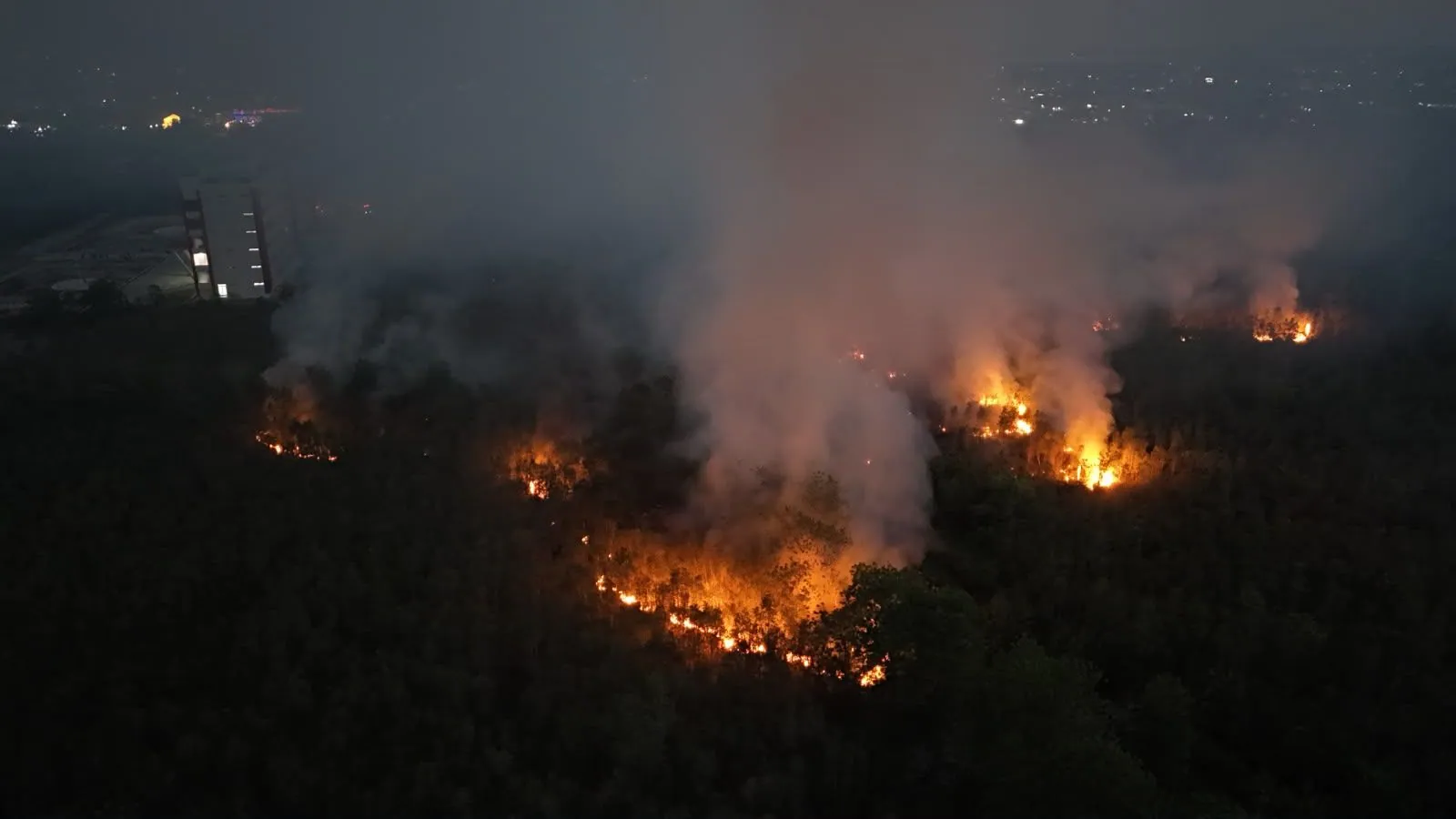
3. Fires were still burning when the minister spoke. BNPB said about 254.89 hectares at 21 points in Central Kalimantan were still unhandled in the 24 hours to 07.00 WIB on 15 November, including operations in Tanjung Puting National Park. In South Sumatra, about 24 hectares at seven points still had to be handled from operations on 13 November, and BNPB flew a cloud-seeding sortie over Ogan Komering Ilir (Kompas.com).
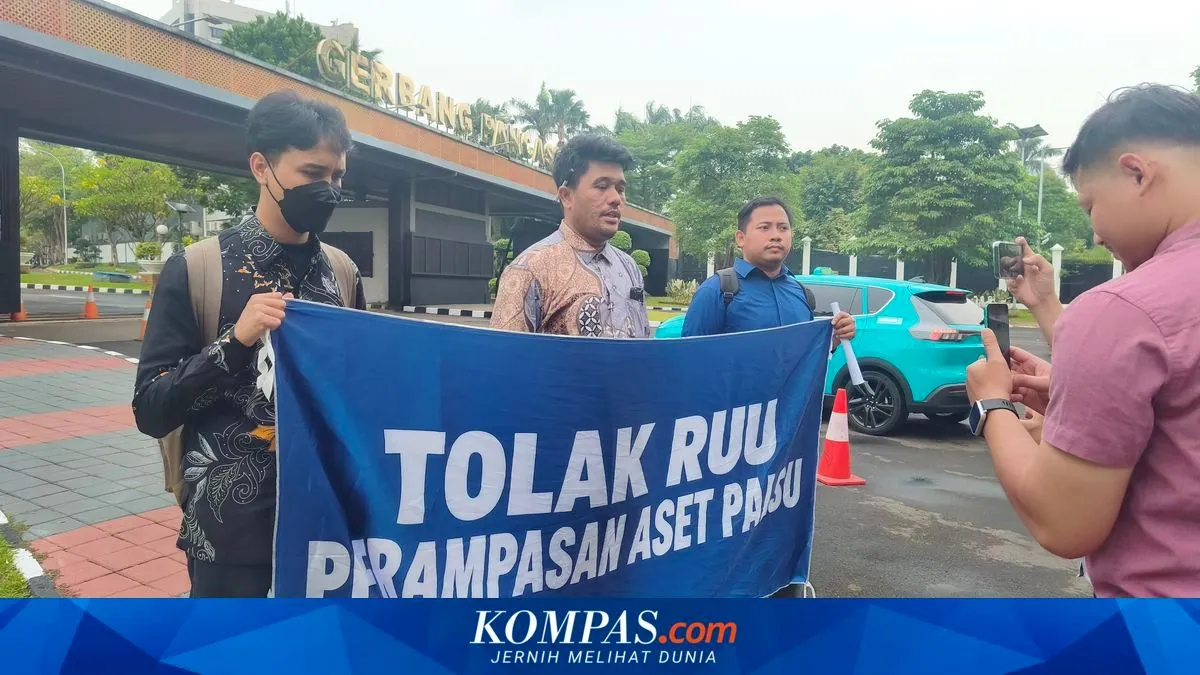
4. Independent monitoring found more than 1,400 strong hotspots in early November. Walhi's spatial analysis for 1 to 8 November found 1,433 high-confidence hotspots across Indonesia, 492 of them in South Papua. "It is nonsense if the government says the forest and land fires are finished. The smoke has indeed decreased, but the fires are still happening," said Walhi forest campaigner Umi Ma'rufah (Katadata).
5. Another minister attributed the improvement to rain. At the Bogor Palace on 13 November, the day before Arrmanatha spoke, Health Minister Budi Gunadi Sadikin said acute respiratory infections (ISPA) had "fallen a long way because the rain has come". His ministry had recorded 425,167 haze-related ISPA cases up to 5 November, with 3,518 new cases on that day alone (Tirto).
The government's side
The minister did not say all fires were out; he said "only very little is left", and the BNPB series supports a large decline. Government operations were extensive: BNPB reports ground crews, helicopter water bombing, patrol aircraft and weather modification in the worst-hit provinces (BNPB). Arrmanatha also said Indonesia, Singapore and Malaysia were interested in working together against companies that break fire laws, to "follow the money" (Detik).
Accountability gap
BNPB says it can now overlay hotspots on concession, land-use and plantation permit maps, and in early November it identified hotspots inside concessions including PT Merauke Sarjaya and PT Selaras Inti Semesta in South Papua, which it said still required field verification. It also said satellite images indicated land in South Papua being cleared by burning (BNPB). Walhi says law enforcement against those who burn remains weak (Katadata). A fire season measured only by falling smoke leaves out who is held responsible for starting it.
What remains unknown
What baseline and measure the "80-something percent" figure uses: area, hotspots or fire points, and from which date. How much of the decline came from firefighting rather than rainfall, which no agency has quantified. The total area burned in 2026, and the outcome of BNPB's field checks of the concessions it flagged.
Sources
- 1.Detik: Bertemu Menlu Singapura-Malaysia, Menlu Tata komitmen RI bereskan karhutla (15 Nov 2026), news.detik.com
- 2.BNPB: BNPB prioritaskan penanganan karhutla di Kalimantan Tengah, Sumatera Selatan, dan Kalimantan Barat (24 Oct 2026), ppid.bnpb.go.id
- 3.BNPB: BNPB kembangkan sistem pelacakan karhutla, petakan titik kebakaran hingga pemegang izin lahan (9 Nov 2026), bnpb.go.id
- 4.Kompas.com: BNPB: 254,89 hektare karhutla di Kalimantan Tengah belum tertangani (15 Nov 2026), nasional.kompas.com
- 5.Katadata: Walhi kritik pernyataan Menlu soal karhutla sudah selesai (16 Nov 2026), katadata.co.id
- 6.NU Online: Menlu sebut karhutla padam berkat Prabowo, Walhi: rakyat masih menanggung dampaknya (17 Nov 2026), nu.or.id
- 7.Tirto: Menkes ungkap jumlah penderita ISPA akibat karhutla turun jauh (13 Nov 2026), tirto.id