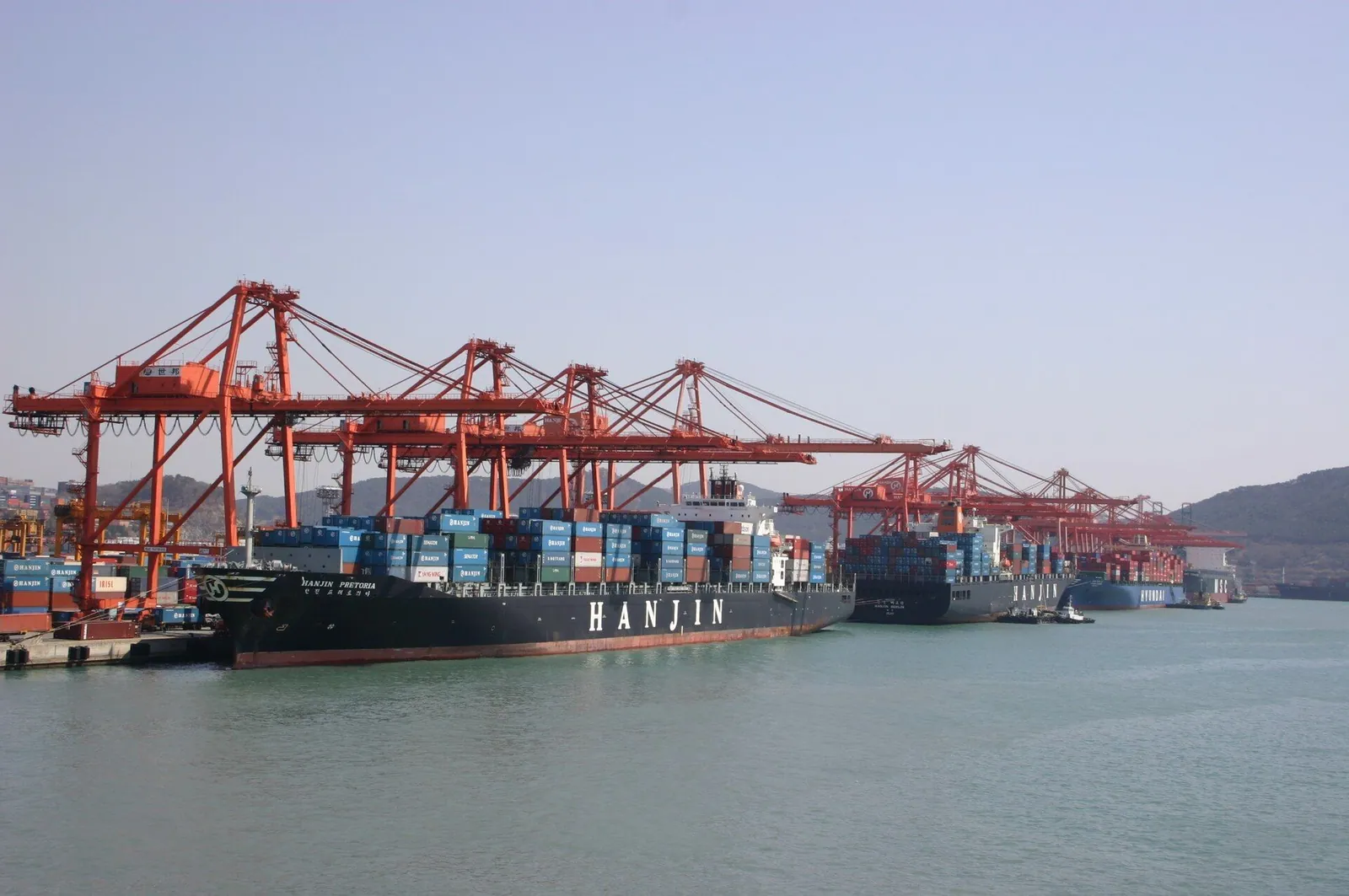
South Korea crossed $1 trillion in cumulative exports for 2026 on November 19, according to its trade ministry, a milestone driven primarily by the worldwide demand for semiconductors used in artificial intelligence. Reuters reported that the threshold was reached at 05:09 GMT, putting the country alongside Germany, the United States and China in the group of economies to have achieved that annual export level.
Chips are doing much of the work
The scale of the semiconductor surge is striking. During the first three quarters of 2026, South Korean chip exports increased 184% compared with the same period a year earlier and represented 42% of all exports, Reuters reported, citing trade data. That compares with an average share of about 20% over the preceding five years.
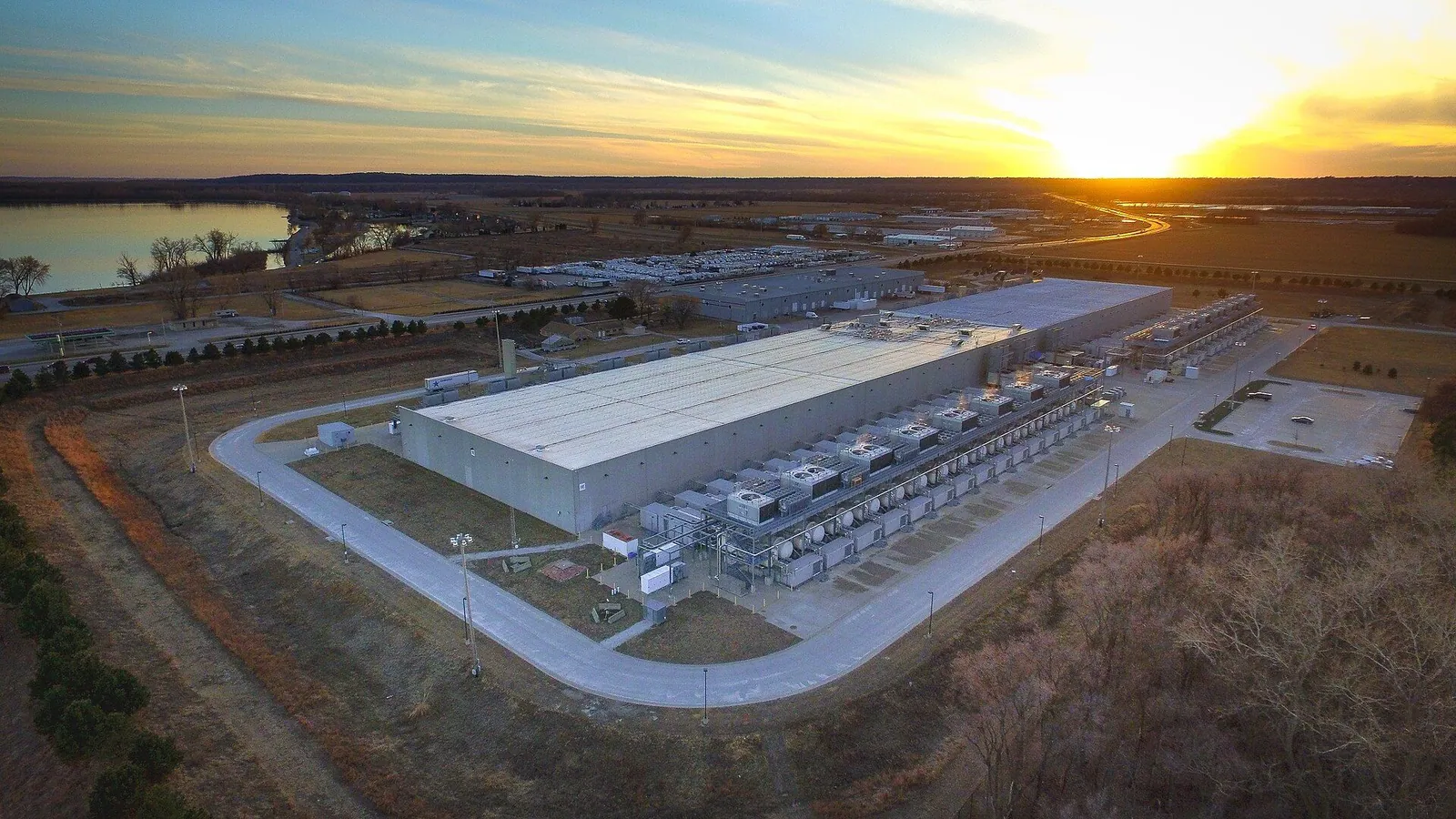
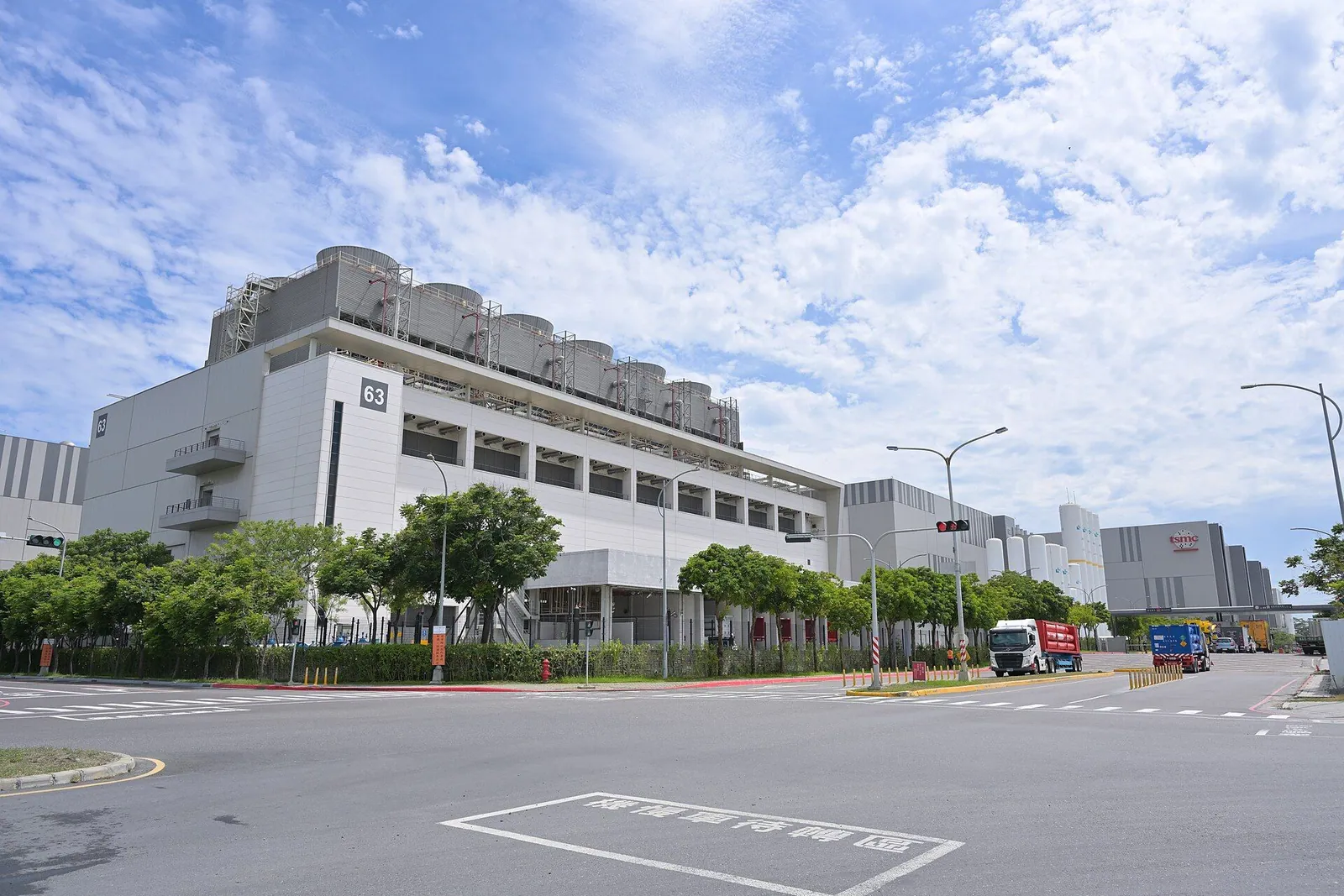
The numbers reflect strong international investment in AI computing capacity. South Korea is home to major memory-chip producers Samsung Electronics and SK Hynix, whose products are important to the servers and systems supporting AI workloads.
But the export expansion is uneven. Traditional industries including automobiles, steel and shipbuilding have faced a tougher environment, shaped by trade barriers and geopolitical disruption. The headline figure therefore should not be read as evidence that every part of South Korean manufacturing is expanding at the same pace.
A record that has yet to reach every household
President Lee Jae Myung welcomed the milestone but said the benefits of export growth must be shared across large and small businesses and between the capital region and other areas. His remarks, reported by Reuters, acknowledge the challenge of translating corporate export receipts into broader gains in incomes and employment.
Domestic demand remains weak, while elevated prices, interest rates and financial-market volatility have weighed on consumer confidence. A country can post record shipments abroad while many residents still experience pressure on household budgets.
The administration plans a 162.3 trillion won Future Response Fund, intended to direct resources associated with the chip boom toward emerging industries, younger people, regional development and education. This is a proposed policy response, not proof that the promised benefits have already materialised.
Why the milestone matters
The achievement illustrates how concentrated the global AI supply chain has become: demand for advanced computing creates exceptional opportunities for specialist exporters, while also exposing them to changes in technology spending, trade restrictions and market sentiment.
South Korea's six major business associations called for stronger cooperation between government and industry to turn export success into domestic investment, jobs and regional economic activity. Whether that happens will be a more consequential test of the boom than the trillion-dollar figure alone.
The milestone was announced on November 19, 2026; this article describes cumulative exports recorded during 2026, not exports in a single month.