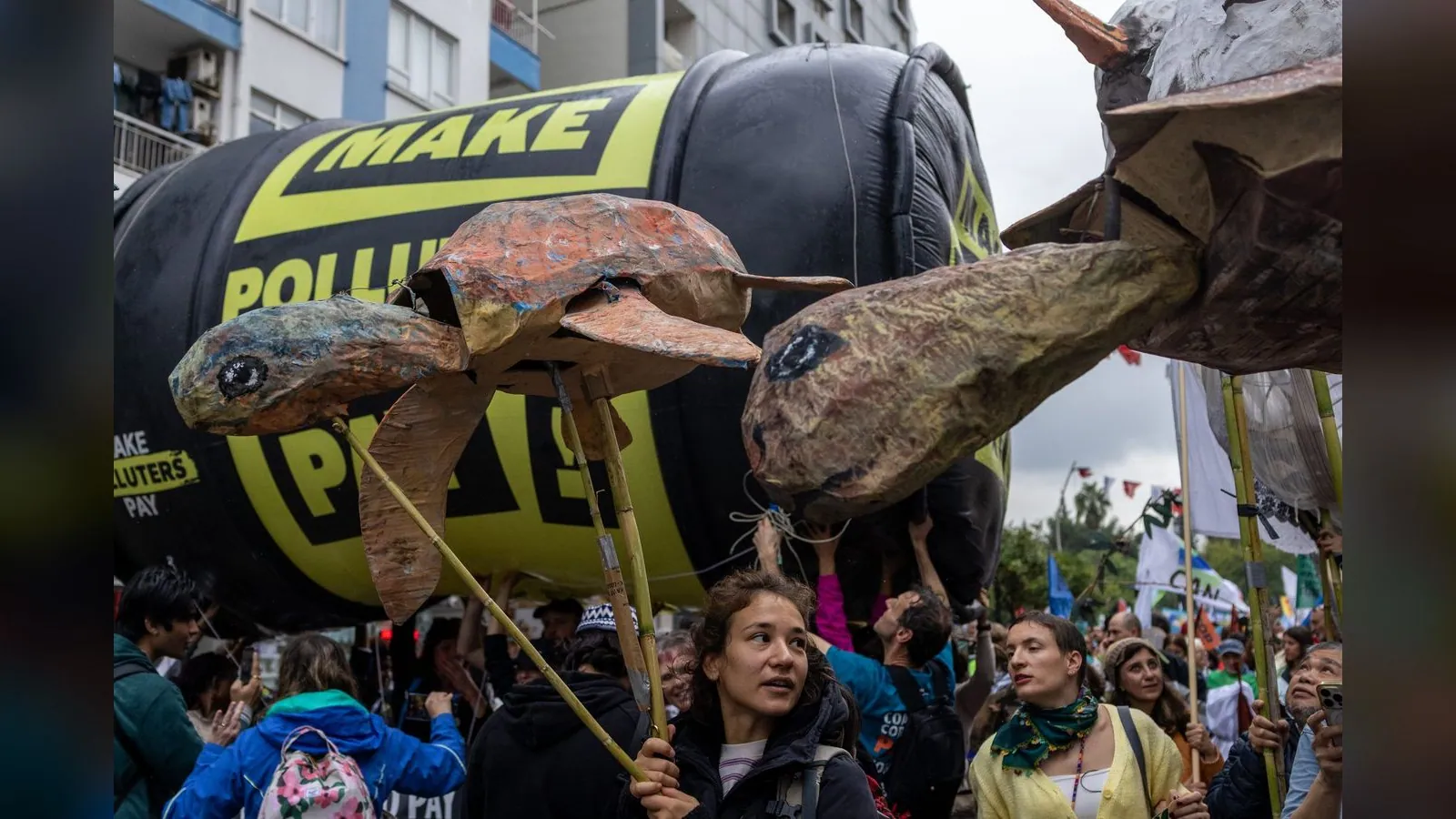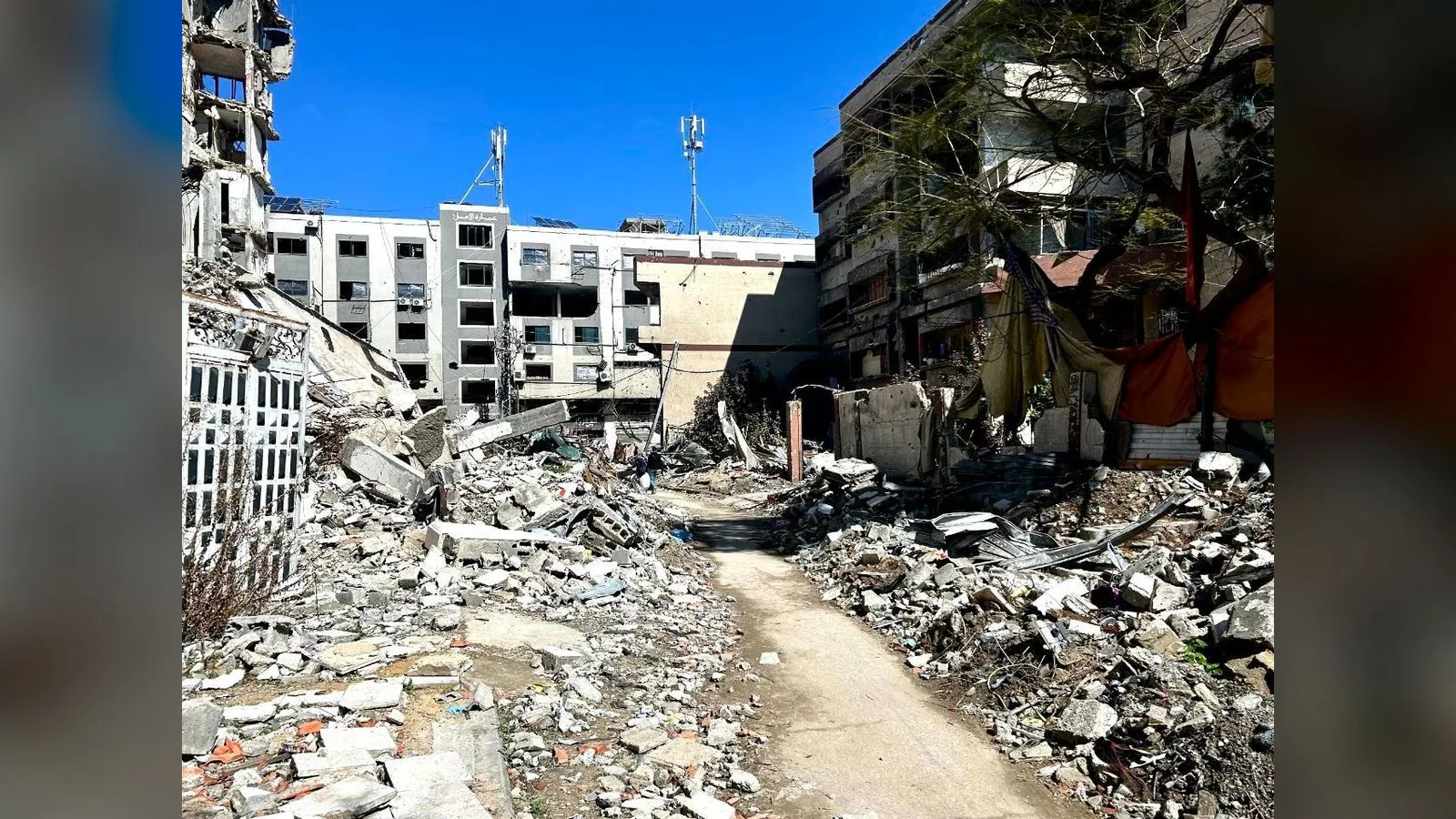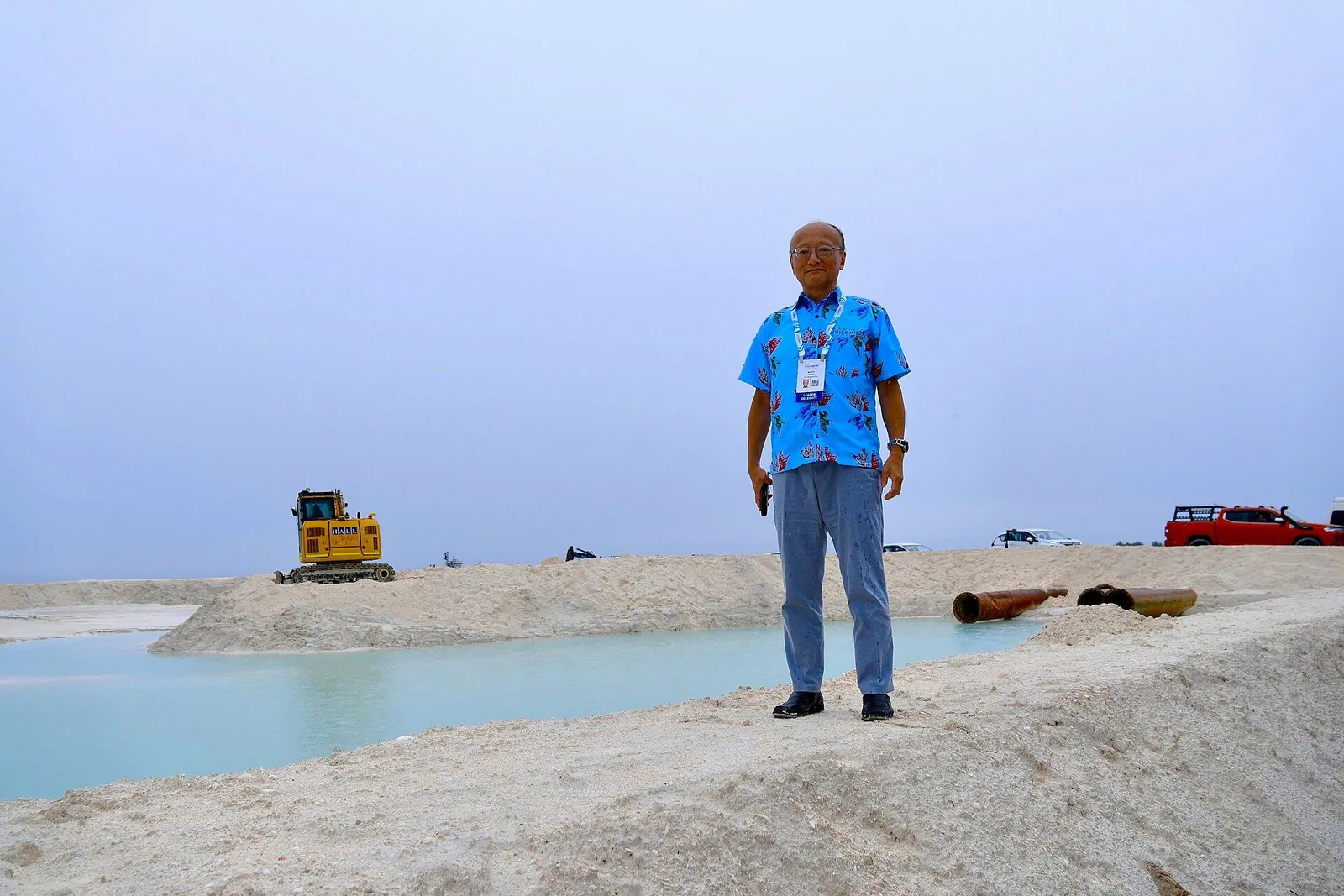
Small island governments used the COP31 climate summit in Antalya, Türkiye, to demand faster emissions cuts and financing that reaches vulnerable communities, rather than another round of promises with uncertain delivery. The Associated Press reported on November 18 that island representatives are pressing for $500 million for resilience programmes and $200 million for disaster early-warning systems. Those are funding requests, not money already approved or disbursed.
A demand for implementation
The 39-member Alliance of Small Island States (AOSIS) has long argued that countries with relatively small contributions to historical emissions face disproportionate harm from rising seas, ocean warming and extreme weather. In a November 14 statement, delivered by Niue's natural resources minister Mona Ainu'u, the coalition asked COP31 negotiators to integrate ocean-based climate action into formal work programmes and reporting, strengthen the Ocean and Climate Change Dialogue, and connect its findings to the next global stocktake.
AOSIS said many ocean measures in members' national climate plans depend on external finance. Its proposal seeks clearer institutional follow-through; it is not itself a binding agreement by the wider conference. The coalition also wants the conference's final decision to acknowledge the practical support required to carry out these measures.
What the money would do
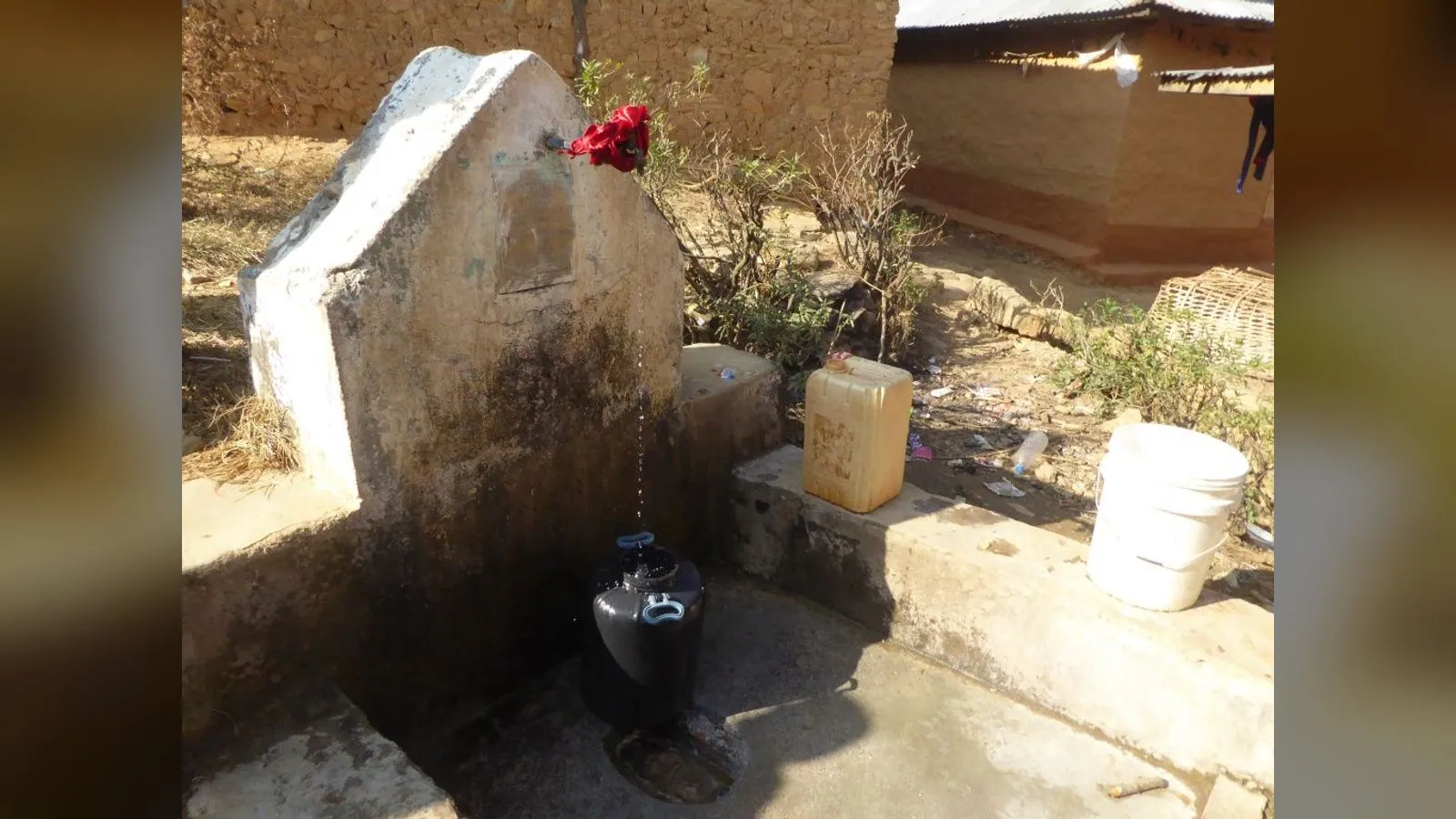
According to AP's November 18 reporting, island representatives want funding for resilience projects and early-warning infrastructure. Such systems can provide time to evacuate or protect livelihoods before severe weather, while adaptation investments can include coastal protection and more reliable water systems. The precise allocation, conditions and donors for the reported $500 million and $200 million requests have not been confirmed as an agreed COP31 package.
AOSIS's November 5 COP31 statement warned that an intensified El Niño was aggravating drought in parts of the Pacific and Caribbean. It described drinking-water and food-security pressures in Palau and elsewhere. These are the coalition's assessments of current impacts; no single disaster should be attributed solely to climate change without event-specific scientific analysis.
Why access matters as much as pledges
A grant, a loan and a headline pledge do not have the same consequences for a small economy. Financing that must be repaid adds obligations to national budgets, while cumbersome application procedures can delay projects even when funding has been announced. That distinction helps explain why AOSIS has emphasized not just more finance, but the terms on which vulnerable states can obtain it.
In a September 21 statement introducing the COP31 Action Agenda, AOSIS called for transparent, measurable delivery and warned that small economies could be excluded by eligibility rules or administrative barriers. The coalition urged the agenda to translate ambition into implementation through finance, technology and partnerships. These are demands made by AOSIS, not commitments that every negotiating government has accepted.
A credibility test for climate diplomacy
The summit is scheduled for November 5-20, according to AOSIS. As talks continue, the distinction between proposals, political pledges and actual transfers remains crucial. The latest demands are a measure of what island governments say is missing, not evidence that the requested funds have been secured.
For countries beyond the island coalition, the negotiations also test whether global climate agreements can convert targets into coastal protection, warning systems and financial support before the next disaster. A meaningful outcome would need to identify who pays, how resources are accessed and how implementation is tracked. Until those details are settled, island leaders' calls for action remain an urgent negotiating position rather than a completed financing breakthrough.