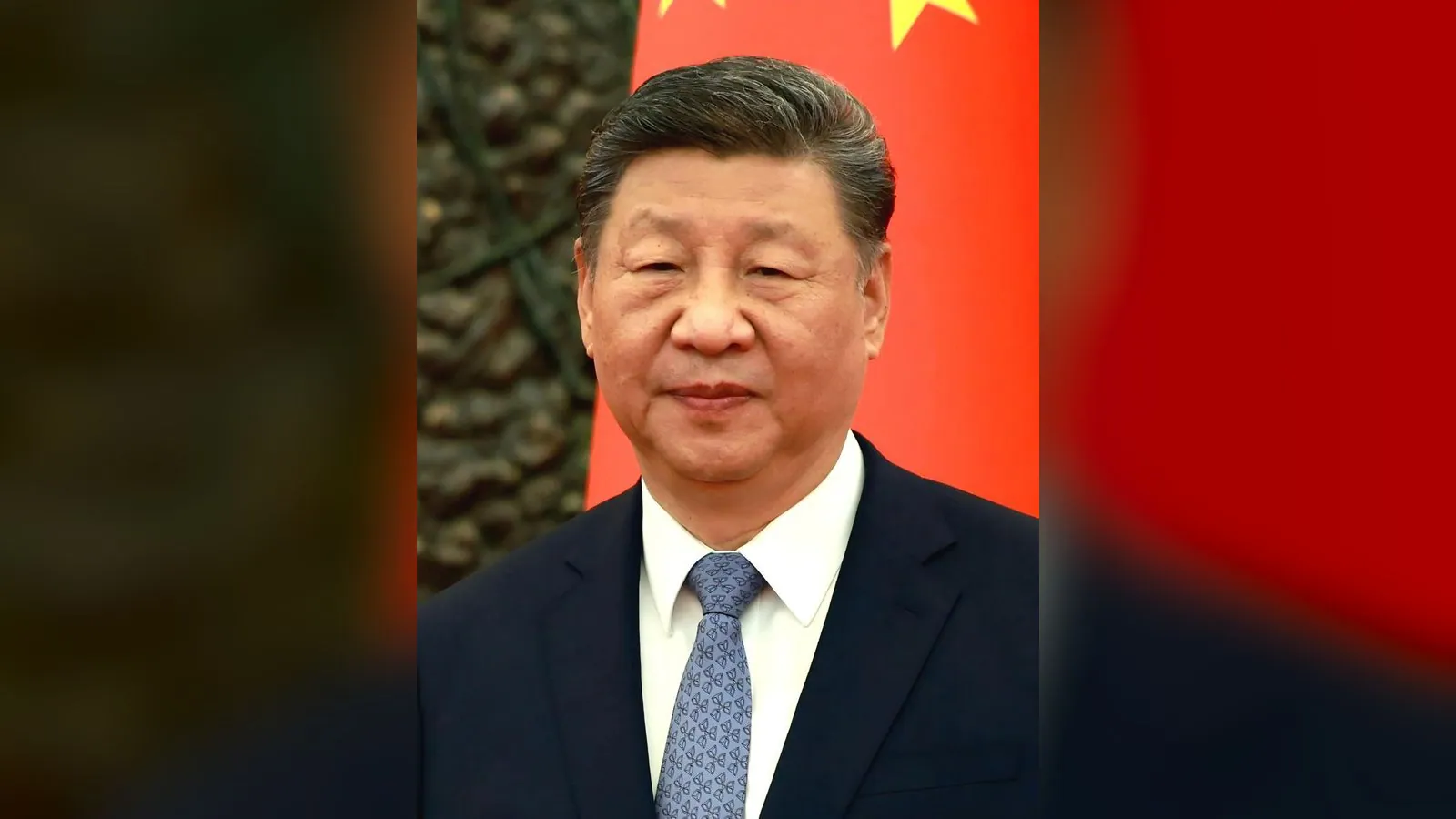
SHENZHEN, China, Nov. 18, 2026, Chinese President Xi Jinping called for fewer trade and investment barriers and more resilient supply chains at the APEC CEO Summit on Wednesday, presenting China as a champion of economic openness as its technology and trade disputes with the United States persist.
The remarks, reported by Reuters and published by China's state news agency Xinhua, came as leaders gathered in Shenzhen for the Asia-Pacific Economic Cooperation meetings. Xi urged economies to support a multilateral trading system centered on the World Trade Organization and make progress toward a Free Trade Area of the Asia-Pacific.
Promises of wider market access
Xi said China would expand access to its domestic market, reduce tariffs and encourage imports of higher-quality goods and services, according to Reuters and Channel News Asia. He also spoke about opening manufacturing and parts of the services sector to foreign firms.
These were policy pledges rather than newly enacted tariff reductions. The speech did not identify the affected tariff lines, the scale of cuts or an implementation date, CNA reported. Companies therefore cannot treat the remarks as an immediate change in customs duties.
The proposed Asia-Pacific free-trade area likewise remains a long-term regional ambition, not a completed agreement. APEC is a forum of 21 economies whose cooperation does not itself create binding tariff commitments.
Trade message amid strategic rivalry
The speech came shortly after Washington announced new controls on access to advanced artificial-intelligence chips, adding to tensions over technology and supply chains. Beijing's call for openness stands alongside criticism from Western governments of China's industrial subsidies, export strength and barriers facing foreign competitors.
Reuters reported that Xi opposed unilateralism and protectionism without announcing a breakthrough in those disputes. China has also promoted domestic manufacturing and technological self-reliance, illustrating the distance between a diplomatic appeal for open trade and the difficult negotiations over market access.
CNA reported that Xi also emphasized cross-border e-commerce, digital customs and a predictable business environment. These areas matter because firms face more than headline tariffs: documentation, regulatory uncertainty, customs processing and service-sector restrictions can determine whether market entry is commercially viable.
For Southeast Asian economies, the stakes include investment, electronics supply chains and export demand. Greater Chinese import access could create opportunities, but any effect will depend on detailed rules, implementation and responses from trading partners.
Competing priorities across the region
APEC economies are deeply interconnected but have different priorities. Exporters seek reliable access to customers; manufacturers want predictable sourcing; governments are concerned about strategic dependence and domestic industrial employment. A general declaration favoring openness does not settle those competing interests.
The summit also takes place as governments debate the security implications of advanced computing and AI. Trade policy now intersects with controls on sensitive technology, making it harder to separate commercial cooperation from national-security disagreements.
What happens next
The Shenzhen meetings are also a setting for high-level diplomacy involving the United States, China and Russia. Prospective talks should not be mistaken for agreements before official outcomes are announced.
The immediate test of Xi's message is whether Beijing publishes specific tariff schedules, market-access measures and enforceable implementation dates. Businesses will also watch for evidence that overseas firms can obtain approvals and operate under the rules on equal terms. Until then, the speech signals China's negotiating position rather than a verified removal of trade barriers.