WASHINGTON, Nov. 21, 2026, The US Commerce Department approved export licences covering 879,868 advanced artificial-intelligence chips for Chinese customers, according to documents released by the House Foreign Affairs Committee on November 19. The disclosure has intensified debate over the balance between national security and technology trade.
The distinction is crucial: an export licence authorises a transaction subject to conditions. It does not prove that the approved processors were actually shipped, delivered or used by the intended customer.
What Congress disclosed
The committee released licensing records for Nvidia H200 and AMD MI325X processors under the Export Control Reform Act. The figures describe applications and decisions through May 2026, not a new round of approvals issued this week.
Companies sought permission for approximately 3.4 million chips. Regulators approved 879,868, roughly a quarter of the requested total. The committee identified Alibaba, Tencent, Baidu and BYD among intended recipients. Some appear on a Pentagon list of companies alleged to have links to China's military.
Such a designation reflects the US government's assessment. It does not, by itself, demonstrate that any chip covered by these licences was put to military use or transferred unlawfully.
The underlying licensing table marked approved applications “approved, not shipped” at the time covered by the records. Subsequent deliveries cannot be established from that snapshot. The status of individual licences may have changed since May.
Political questions and company responses
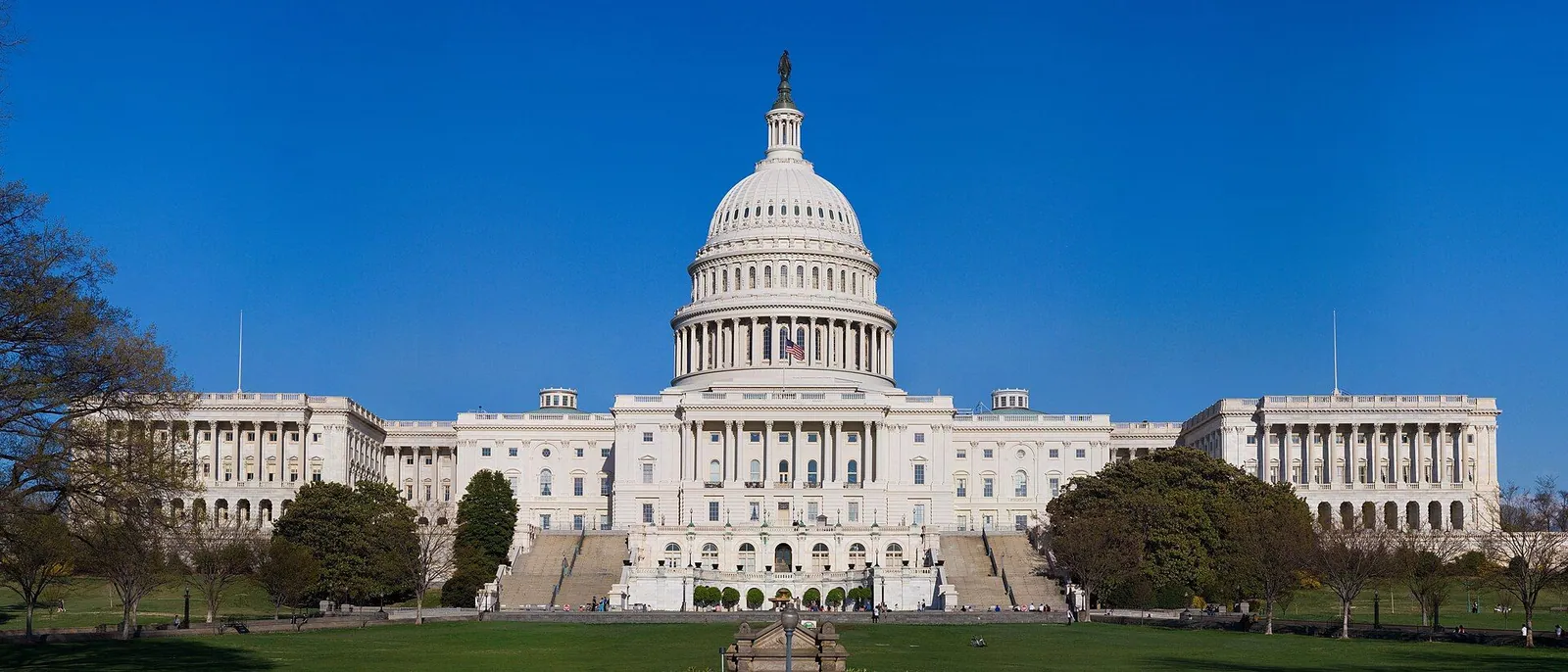
Republican committee chairman Brian Mast said the disclosure raised national-security concerns, including questions about possible intermediaries in the chip trade. Allegations about potential diversion require independent evidence of specific transactions.
Democratic ranking member Gregory Meeks likewise urged closer congressional oversight. He questioned whether the Bureau of Industry and Security had adequately scrutinised applications and called for hearings with Commerce officials.
According to Reuters, the Commerce Department said applications involving H200 processors underwent additional national-security requirements and were considered individually. Nvidia said its approvals were subject to strict conditions and limited quantities, adding that it had since stopped shipping H200 chips to China. AMD said it complies with applicable export-control laws.
These responses show disagreement over the policy and its implementation, but the available disclosures do not establish that the companies violated the law.
Why the chips matter
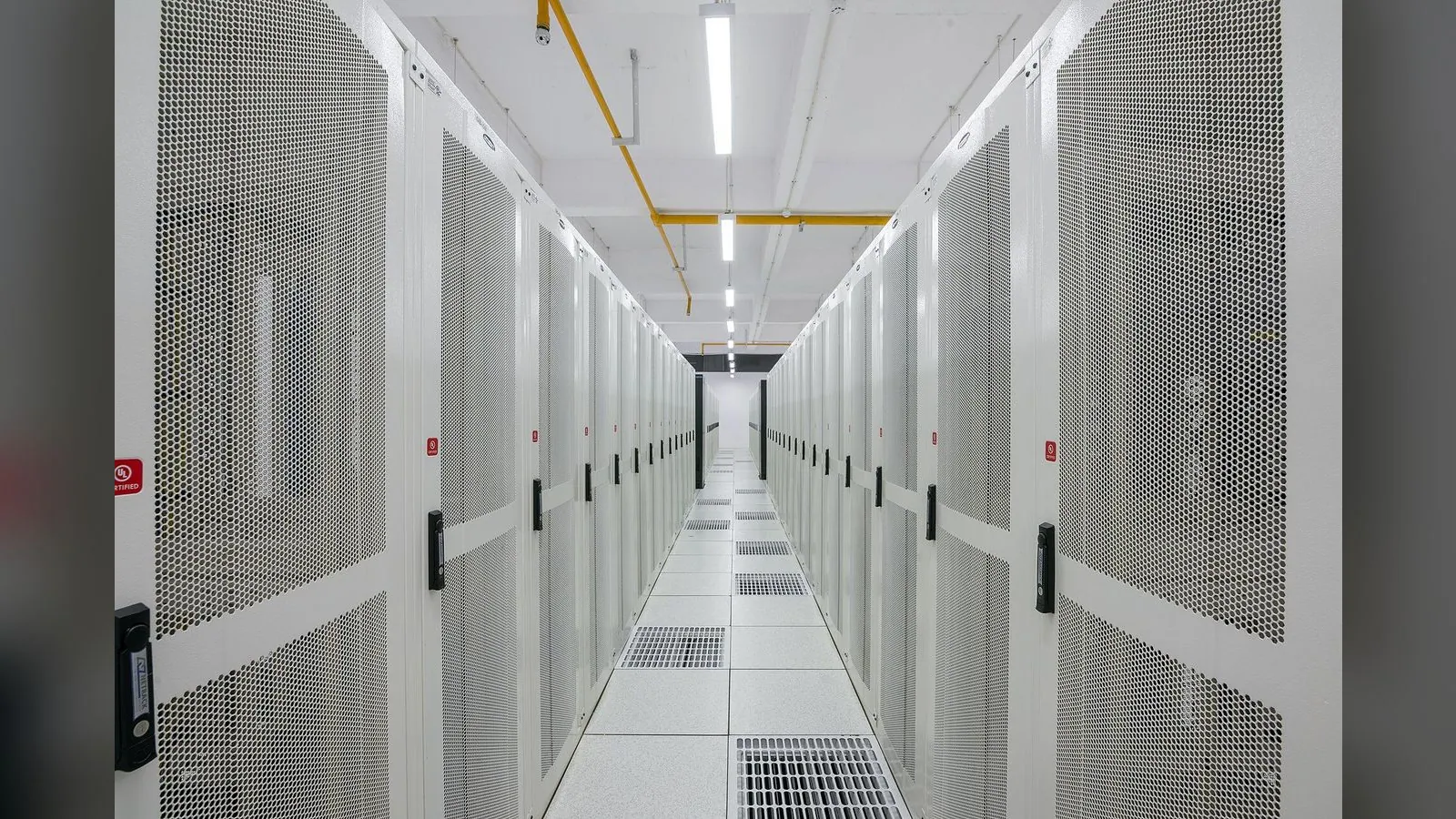
Advanced processors can train and run powerful AI models. Their availability has become a strategic issue as Washington attempts to limit potential military applications of American technology while allowing some commercial activity.
The licensing decisions were made against a changing policy backdrop. The Trump administration eased some earlier restrictions on certain processors, while subsequent measures sought to address indirect access through overseas computing facilities. Rules governing exports and access have therefore evolved during the period covered by the records.
The disclosure provides unusual transparency into government decision-making, but also leaves unanswered questions. How many approved chips were ultimately delivered? Were their end users verified? Did any licences expire, change or get withdrawn? The published figures alone cannot answer them.
For readers and investors, the immediate story is about regulatory permission, not confirmed sales volumes. Congressional oversight and any further disclosure of shipment records will determine whether the controversy produces evidence of wrongdoing or primarily reflects a disagreement over US export policy.
Sources: House committee, Nov. 19; Gregory Meeks, Nov. 19; Reuters, Nov. 19; AP, Nov. 20.