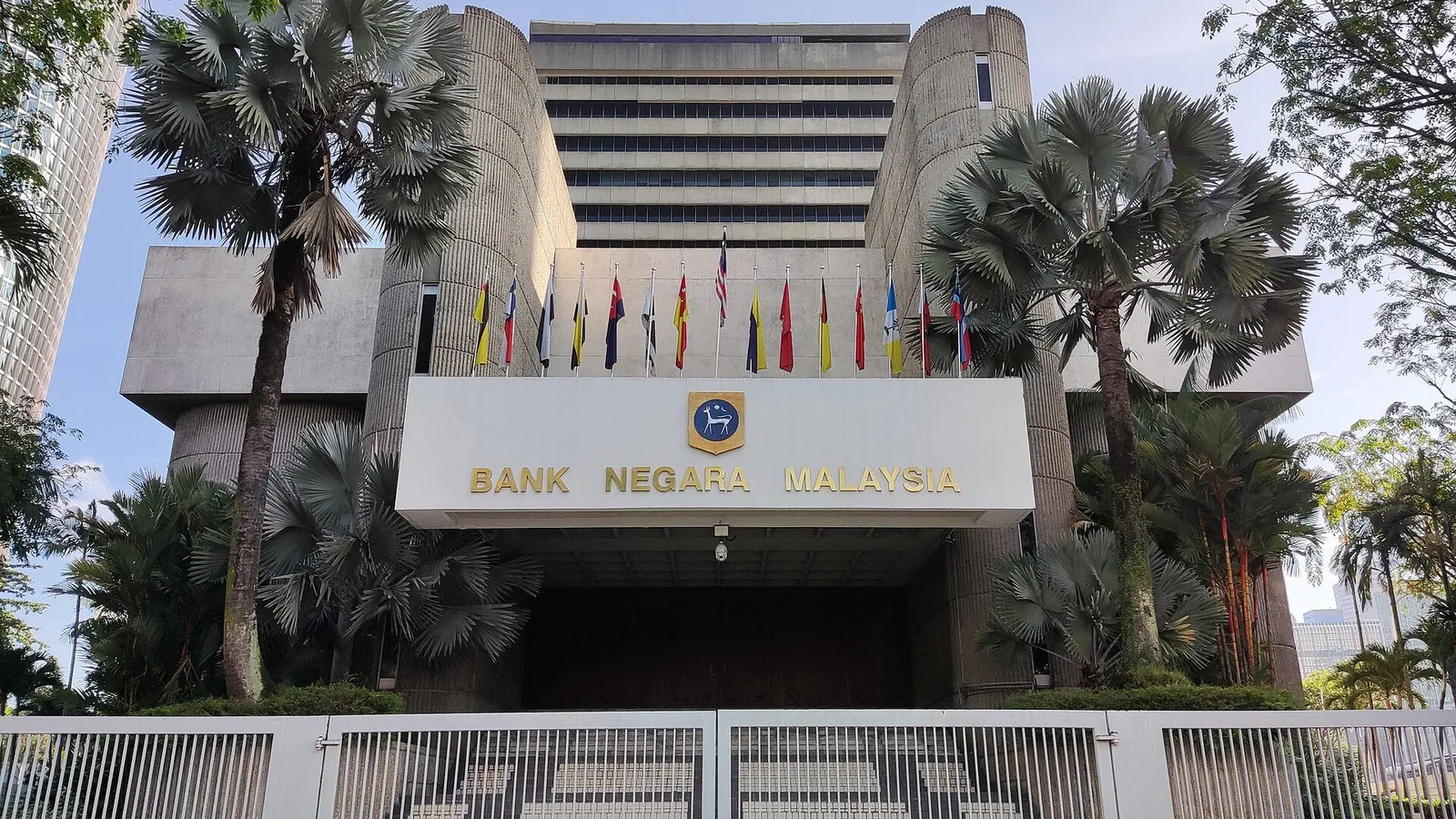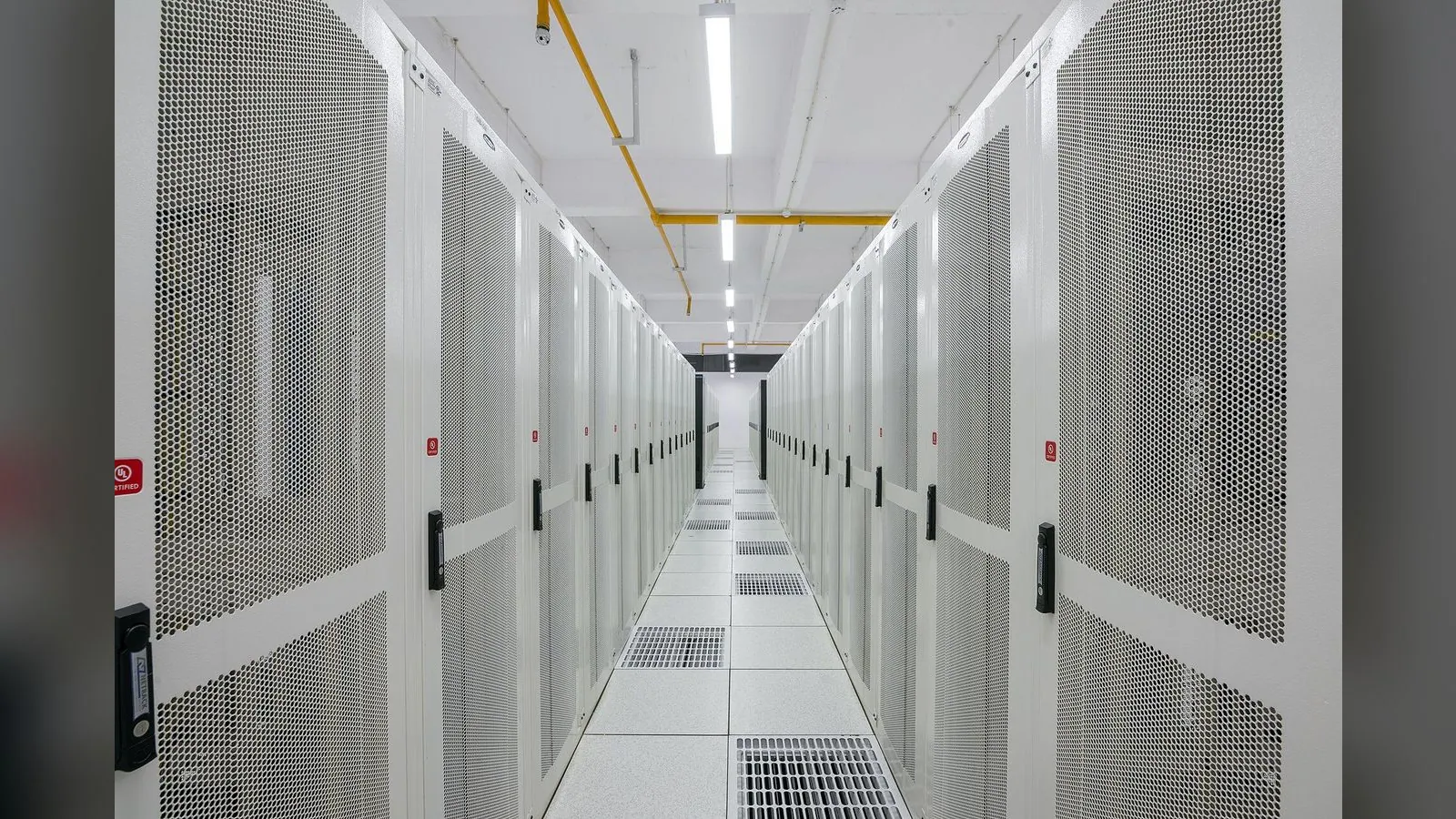
WASHINGTON/KUALA LUMPUR, November 17, 2026, New US restrictions on advanced artificial-intelligence chips have unsettled Southeast Asia's rapidly expanding data-centre industry, raising questions about who can purchase high-end processors and which overseas customers may rent the computing power they provide.
Reuters reported on Tuesday that shares of several regional infrastructure and semiconductor-related companies fell sharply following the restrictions announced on November 16. The measures are aimed at preventing Chinese AI developers from accessing controlled US technology indirectly through third-country facilities.
What Washington changed
Under the measures described by Reuters, covered advanced-chip shipments to Singapore, Malaysia, Thailand, Indonesia and Brazil require US export licences because of concerns about possible diversion. The rules also place requirements on overseas data centres providing significant computing capacity to companies headquartered in China. Reuters reported that affected operators have 90 days to obtain licences to continue such services or face further export restrictions.
The requirements are not a blanket ban on all data centres or all chip imports. Reuters said US companies operating data centres in the named countries are excluded from the new shipment requirements, while certain services, including systems used by online retailers and social-media companies, are treated differently. The precise impact on any project depends on its hardware, ownership, customers and licensing status.
Markets react, but projects are not all cancelled
According to Reuters' November 17 market report, shares in Malaysian infrastructure companies MN Holdings and Critical Holdings fell nearly 20%, while YTL Power declined nearly 10%. Singapore-listed Frencken and AEM also fell. These are market reactions on the reported trading day, not evidence that every company's data-centre investment has been cancelled.
The region has substantial exposure. Reuters cited Malaysia's trade ministry as saying the country approved 385.7 billion ringgit, about $95 billion, of data-centre-related investments since 2021. It reported Thailand had 42 data centres representing approximately 3,400 megawatts of IT load and about 750 billion baht in investment as of February 2026. Indonesia's data-centre market was valued at $2.81 billion in 2025, according to the same report. These figures describe different measures and periods and should not be added together.
Why Indonesia is affected
Indonesia is among the countries specifically identified in the new licensing framework. That creates a compliance question for operators planning to import covered accelerators, particularly if their business model relies on selling large amounts of processing capacity to Chinese-headquartered customers.
A licensing requirement is not equivalent to an announced suspension of Indonesian projects. The commercial consequences will depend on approvals, exemptions, customer mix and operators' ability to document end users. Firms may face higher compliance costs or delays even where their ultimate customers are legitimate.
Responses and unresolved questions
Reuters reported that Singaporean authorities were examining the rule and contacting affected companies and US officials about its scope and implementation. Malaysia's trade minister Johari Abdul Ghani said companies would have to comply with the regulation. China's foreign ministry criticised the move as economic coercion and said it would protect Chinese interests.
Washington presents the controls as a national-security measure intended to close routes around existing export restrictions. Beijing disputes that approach. Neither position, by itself, establishes whether any particular regional operator violated export rules.
Key questions remain: how US licensing decisions will be applied in practice, which facilities will qualify for exclusions, whether planned capacity will be delayed and how much demand shifts toward other customers. Investors and operators will need the final regulatory text and subsequent guidance rather than treating one day's share-price moves as a complete forecast.
Sources: Reuters, November 16 and 17, 2026.