US President Donald Trump threatened a substantial tax on American companies that build artificial intelligence data centers overseas on November 20, 2026. He did not specify a rate, a legal mechanism or an implementation date. The statement is a proposed policy direction, not an enacted tax.
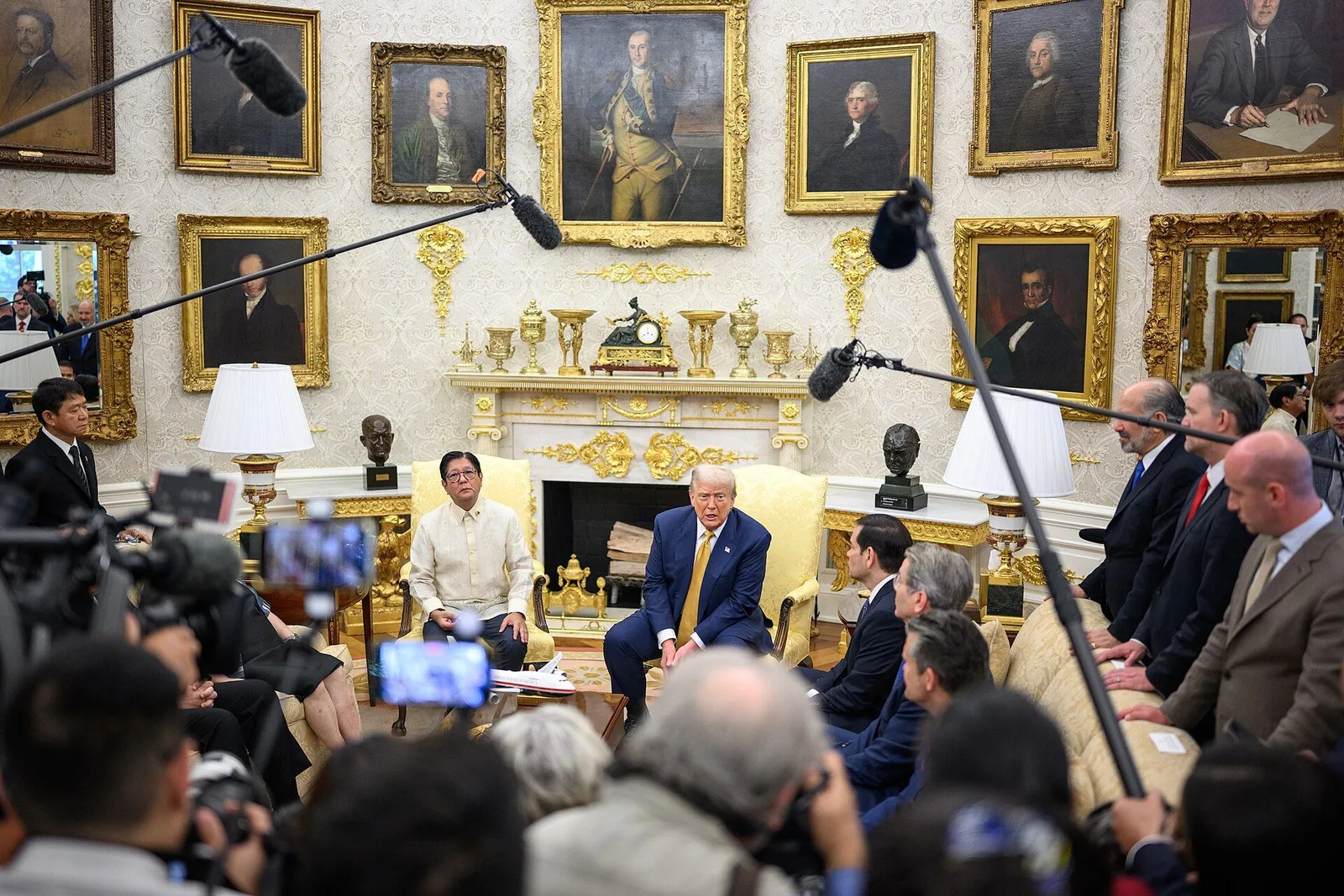
Speaking at the White House after returning from Asia, Trump said he wanted the computing infrastructure powering US technology companies to remain at home as Washington competes with China. He acknowledged that his staff had not yet been informed of the idea, according to the Associated Press. Reuters separately confirmed the announcement.
What Trump proposed, and what remains unknown
The president suggested companies choosing foreign locations would face heavy financial penalties. But there was no written rule, proposed legislation or schedule accompanying his remarks. It remains unclear which companies would be covered, whether existing overseas facilities would be exempt, and which government authority would collect the proposed tax.
That distinction matters for businesses making multiyear investment decisions. A presidential statement can signal a policy priority, but it does not establish the terms of a binding obligation. Companies and investors cannot yet calculate the financial exposure of overseas projects.
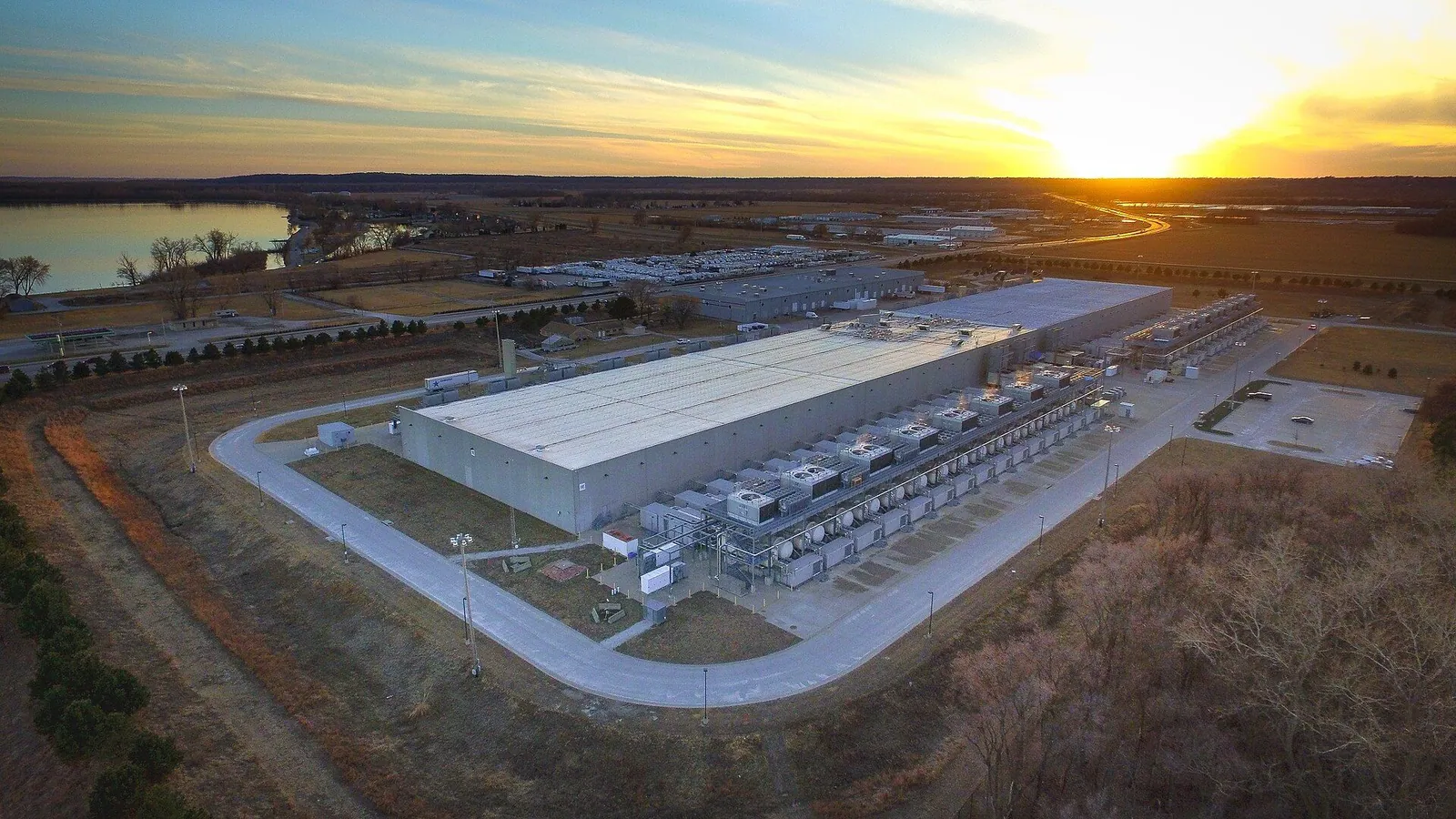
Data centers are facilities housing servers and networking equipment. They are essential to training and operating AI systems, but they also support ordinary cloud computing, websites and enterprise services. Their location affects network latency, service reliability and proximity to customers. Developers including operators of international cloud infrastructure have reasons to build in more than one country.
Reuters reported that the US government has also tightened restrictions on advanced AI chips reaching China through third countries. Those restrictions form part of the broader US-China technology rivalry, but should not be confused with the unfinalized data-center tax proposal.
Resistance to construction at home
The proposed pressure to keep projects in America comes at an awkward time: many American communities oppose new data centers because of electricity consumption, water demand and the possibility of higher local utility bills.
According to the AP Voter Poll, about three-quarters of respondents in the 2026 midterm elections opposed a new data center in their own community. A separate survey by AP-NORC and the University of Chicago found about six in ten Americans favored limiting the number of new data centers. These findings measure public attitudes; they do not establish that every proposed project would harm nearby residents.
Trump urged local communities to bargain for benefits rather than block construction. He suggested that developers could offer payments, utility-bill relief or other concessions. Whether such arrangements are viable depends on project economics, local regulations and the cost of expanding the power network.
Technology companies are already trying to address local skepticism. AP reported that Google and Meta have discussed greater transparency and commitments to local communities. Those efforts underscore a central tension: the federal push to expand AI infrastructure does not automatically translate into local planning approval.
Energy legislation follows a separate track
On November 19, the US Senate approved bipartisan legislation designed to speed permits for power plants, transmission lines and other energy infrastructure, AP reported. It would also require data centers to cover the cost of their electricity use and relevant grid upgrades. The measure still faces consideration in the House and is separate from Trump's proposed overseas penalty.
Investment in data centers can support construction and specialist jobs, but economic gains are not uniform. AP noted that many key inputs, including chips and some raw materials, are imported. Large facilities also need reliable power, which can require expensive infrastructure investments.
What happens next
The next decisive development would be a formal administration proposal setting out legal authority, the definition of an overseas data center, exemptions and a timeline. Congressional action or challenges over executive authority could also affect implementation. Until then, describing the threat as an existing US tax would be misleading.
Sources: Associated Press, November 20; Reuters, November 20.