Key points
- Verdict: partly true (changed from misleading on 16 November 2026).
- Law No. 27 of 2026 requires employers, except micro and small firms, to place severance reserves with a government institution; Kemnaker says Dapen and DPLK will not manage them.
- The reserve is the employer's money recorded as the worker's asset and paid to the worker on dismissal.
- No implementing regulation has been issued and no managing body has been named, Kemnaker said on 15 November 2026.
- Danantara management and a new tax are unproven: Kemnaker denies Danantara, but no manager has been chosen; JAMSOS Institute and a House deputy chair have proposed BPJS Ketenagakerjaan.
Update, 16 November 2026: This fact check was revised. We changed the verdict from misleading to partly true and rewrote the headline. The earlier version treated the post's central line as misleading although the law does require severance reserves to be placed with a government institution, and national media such as CNN Indonesia reported it in almost the same words. We also changed the Danantara claim from false to unproven, because the only basis for ruling it out was a ministry denial while no manager has been chosen, and we added the views of unions and employers.
Verdict: Partly true. The core of the post holds. Indonesia's new labour law requires employers to set aside severance reserves and have them managed by a government institution, and a ministry official said company pension funds will no longer manage that money. The money is the employer's reserve, recorded as the worker's asset and paid to the worker on dismissal, so the post's wording can be read as saying workers lose their severance, which the law does not say. The claim that the implementing regulation has been released is false. That the money will go to Danantara or face a new tax is unproven: no institution has been chosen and no rule has been written, so neither can be confirmed or ruled out.
The claim
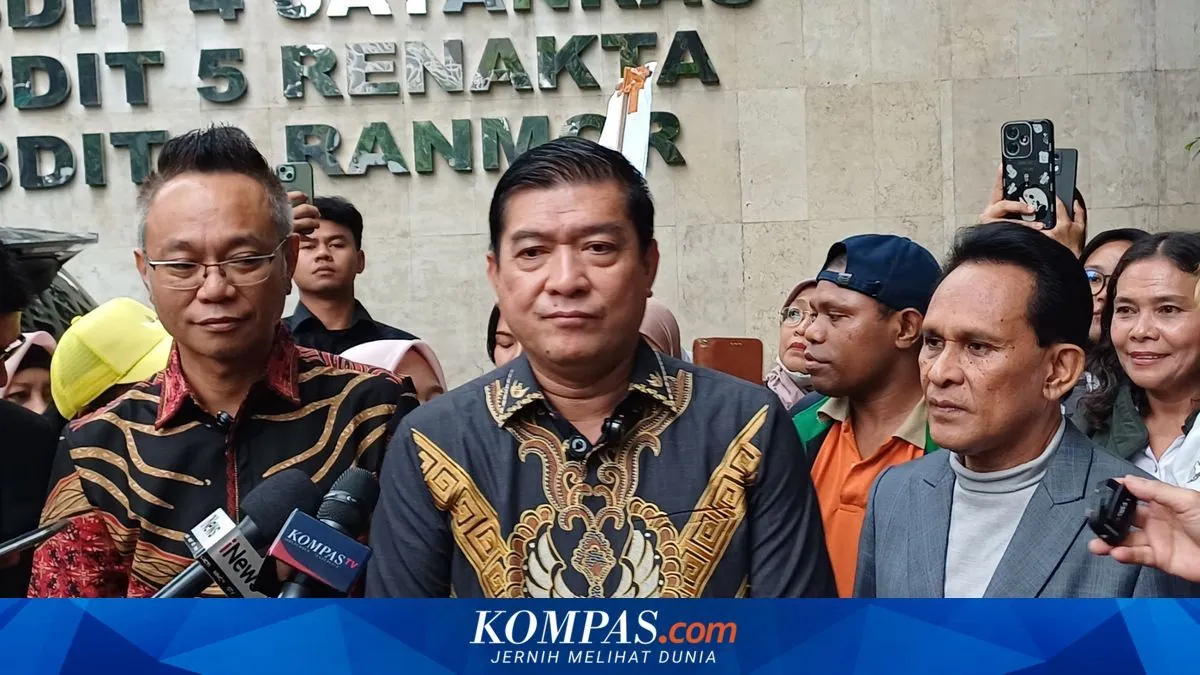
An Instagram post shared widely around 15 November 2026 carried a video clip, credited to Kompas.com, of a Ministry of Manpower (Kemnaker) official discussing the law. Its caption said that "now even severance pay if you are fired must be deposited into a government account", that Kemnaker had "confirmed the implementing rules of the new Manpower Law", and that offices are "no longer allowed to manage their own severance reserves through Dapen or private DPLK". On-screen text said the government had "released the implementing regulation". A widely liked comment added that the money would go into Danantara, the state investment agency, and be taxed.
NewsWLD treats social media posts as leads only. We checked each part against the law, the ministry's statements and news reports.
What is accurate
There is a duty to deposit reserves with a state body. Article 253 of Law No. 27 of 2026 on Labour Protection requires employers to provide a severance reserve fund and says it "is managed by a government institution", according to the article text published by law firm SPP & Partners. The law was promulgated on 28 October 2026, according to Kemnaker's legal database (JDIH). Micro and small businesses are exempt.
Pension funds will not manage it, according to Kemnaker. At a briefing on 13 November, Indah Anggoro Putri, Kemnaker's Director General of Industrial Relations and Workers' Social Security, said company pension funds (Dapen) and financial institution pension funds (DPLK) would not manage the reserve because "the law says the manager is a government institution", Liputan6 reported. She said "by October 2027 all severance funds must be handed over".
National media used similar language. CNN Indonesia's headline on 14 November read "Kemnaker requires companies to deposit severance funds with the government", according to CNN Indonesia.
What is misleading, wrong or unproven
It is the employer's reserve, not money taken from workers. The reserve comes from employer assets set aside each year, is recorded as an asset of the worker, and is paid directly to the worker by the managing institution when the worker is dismissed, according to CNN Indonesia's summary of Articles 254 to 257. If the reserve is too small, the employer pays the rest. If the worker resigns, the money returns to the employer within 14 working days (Article 258). Nothing in these articles takes money from a worker's severance after dismissal.
No implementing regulation has been "released". The government regulation (PP) that will set contribution levels, deposits and payouts has not been issued. Indah said on 13 November that the PP and a ministerial regulation were still being drafted (Liputan6), and Kemnaker said on 15 November that drafting would begin with public consultation (Antara).
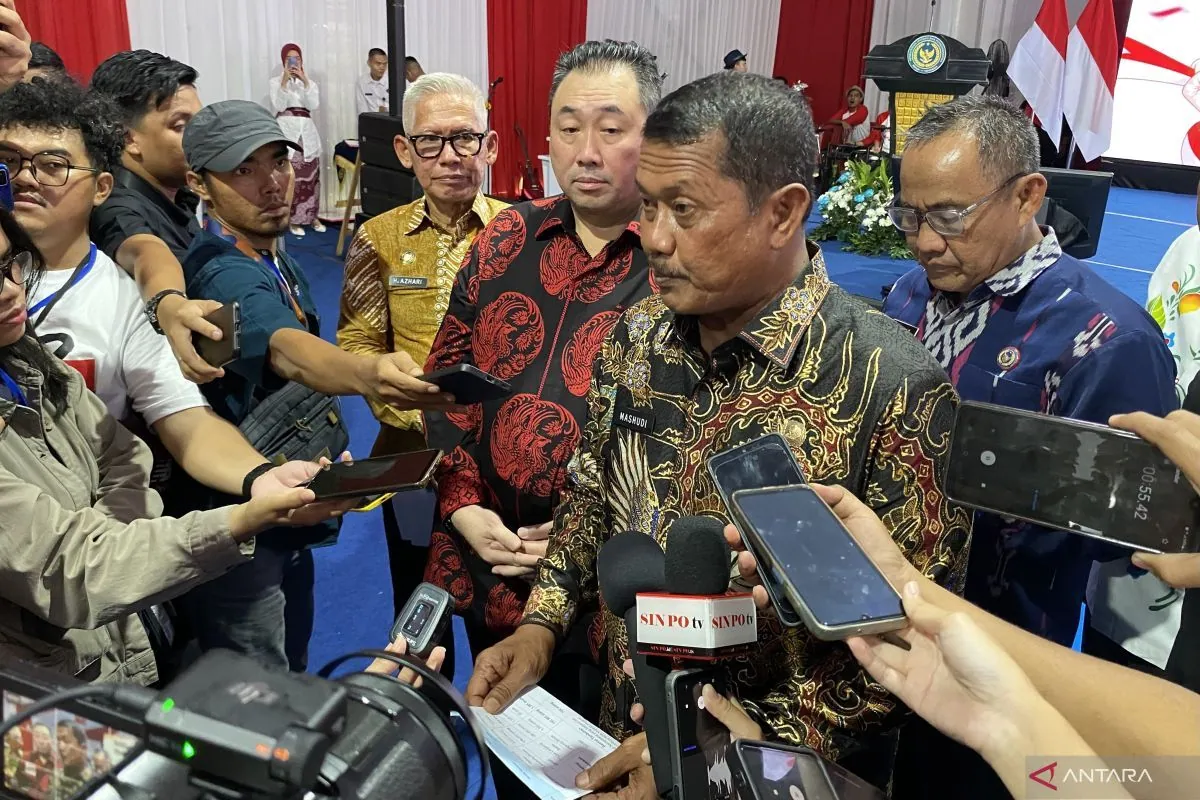
No managing body has been named. "Until now there has been no government decision on the institution that will manage the severance reserve fund," Indah said in a statement carried by Antara and Kompas.com on 15 November.
The Danantara claim is unproven. Indah said reports that employers must deposit the reserve into Danantara were "not true" and that Kemnaker had never said Danantara would manage it (Antara, Kompas.com). That is a denial of a decision that, by the ministry's own account, has not been made yet: no managing institution has been chosen, so the denial cannot settle who will run the fund. One regional outlet, Harian Jogja, named Danantara as the manager in its headline, but the official's quoted remarks in that report did not name any institution. During deliberations, House Commission IX deputy chair Nihayatul Wafiroh proposed BPJS Ketenagakerjaan, the workers' social security agency, as manager (JawaPos), and on 15 November JAMSOS Institute director Andy William Sinaga, a KSPSI union federation official, urged the president to assign the fund to BPJS Ketenagakerjaan as a "credible and accountable" state body, ANTARA reported. The final law names no institution.
There is no record of a new tax on the reserve. The law's severance reserve articles, as summarised by CNN Indonesia, do not mention tax, and the PP has not been written. Severance pay itself is already subject to a final income tax under existing rules; Finance Ministry Regulation 16/PMK.03/2010 sets when that tax is withheld when severance is handed to a fund manager, according to tax publication Ortax. That is an existing rule, not a new levy, and whether it will apply to the new fund depends on regulations that do not yet exist.
What unions and employers say
Unions have backed the idea of a reserve but question how it will work. Confederation of Indonesian Workers' Unions (KSPI) president Said Iqbal said on 7 October 2026 that without sanctions the provision could become "a paper tiger", and asked who would pay and which body would manage the money, Warta Ekonomi reported. The employers' association APINDO's labour chair Bob Azam said on 14 November that a new body would add fixed costs and overlap with existing programmes such as old age savings, job loss insurance and pensions, Liputan6 reported. Manpower Minister Yassierli has said the reserve is needed because companies often say they have no money when severance falls due, Warta Ekonomi reported.
Why the details matter
Kemnaker's own messages have shifted. On 13 November the official said the managing body would be appointed "before long" and gave an October 2027 deadline; in the same briefing detikFinance quoted her saying the manager would be in place "in 2028". On 15 November the ministry said every technical aspect was still open. Readers should treat specific dates and the name of any manager as unsettled until the PP is issued.
Conclusion
The post is partly true. It is right that the law sends employers' severance reserves to a state institution and that, according to Kemnaker, Dapen and DPLK will not manage them. It is wrong that an implementing regulation has been released, and its wording should not be read as saying dismissed workers lose their severance. Whether the money goes to Danantara, and whether any new tax applies, is unproven until the government issues the regulation and names the manager.
Sources
- 1.Kemenaker: Pemerintah belum tetapkan pengelola dana cadangan pesangon (Antara, 15 Nov 2026), antaranews.com
- 2.Danantara Bakal Kelola Dana Cadangan Pesangon? Kemenaker: Tidak Benar! (Kompas.com, 15 Nov 2026), money.kompas.com
- 3.UU Nomor 27 Tahun 2026 tentang Pelindungan Ketenagakerjaan (JDIH Kemnaker), jdih.kemnaker.go.id
- 4.Pasal 253 UU 27/2026 (SPP & Partners legal corpus), spplaw.id
- 5.Aturan Lengkap Dana Cadangan Pesangon yang Wajib Disisihkan Pengusaha (CNN Indonesia, 15 Nov 2026), cnnindonesia.com
- 6.Pemerintah Bentuk Lembaga Dana Pesangon, Perusahaan Wajib Setor Oktober 2027 (Liputan6, 13 Nov 2026), liputan6.com
- 7.Awas, Perusahaan Tak Setor Dana Cadangan Pesangon Bisa Kena Pidana (Liputan6, 13 Nov 2026), liputan6.com
- 8.Dana Pesangon Mau Dikelola Pemerintah, Perusahaan Wajib Setor Oktober 2027 (detikFinance, 15 Nov 2026), finance.detik.com
- 9.Oktober 2027, Perusahaan Wajib Alihkan Dana Pesangon ke Danantara (Harian Jogja, 14 Nov 2026), ekbis.harianjogja.com
- 10.DPR Dorong Ketentuan Pesangon Buruh dalam RUU Ketenagakerjaan, Minta BPJS yang Mengelola (JawaPos), jawapos.com
- 11.PPh 21 atas Pengalihan Uang Pesangon ke Pengelola Dana Pesangon Tenaga Kerja (Ortax), ortax.org
- 12.Kemnaker says no body yet picked to manage severance reserve fund (NewsWLD), newswld.com