Key points
- Budi Gunadi Sadikin said on 13 November 2026 that ISPA cases had fallen a long way because of rain and that almost everything was back to normal.
- Daily cases fell from 10,000 to 13,000 at the peak to about 3,500 in early November, ministry figures show.
- Palangka Raya's air was very unhealthy on 11 November and BNPB said 254.89 hectares of fire in Central Kalimantan were still not handled on 15 November.
- Verdict: partly true.
Verdict: Partly true. Health Ministry and regional health office figures support the minister's point that respiratory infections have fallen from their peak. They do not establish that "almost everything" is back to normal: the latest national figures he cited still showed about 3,500 new cases a day, air in Palangka Raya was rated very unhealthy two days before he spoke, and fires were still burning in Central Kalimantan.
The claim
Health Minister Budi Gunadi Sadikin spoke to reporters at the Bogor Presidential Palace on Friday 13 November 2026. "Acute respiratory infections have now fallen a long way because the rain has come," he said, and added: "So almost everything is back to normal now," Tirto reported. In Indonesian his words were "Yang ISPA kan sekarang udah turun jauh gara-gara sudah ada hujan" and "Jadi hampir semuanya udah kembali normal sekarang."
The minister was referring to acute respiratory infections (ISPA) in the seven provinces hit by this year's forest and land fires, including West, Central, South and East Kalimantan.
What the record shows
-
Cases did fall sharply from the peak. On 22 October Budi said daily ISPA cases in fire-hit areas had been 10,000 to 13,000 and had fallen to about 3,000 a day, and that districts with red or black air quality had dropped from 50 to 22 of 81, detikHealth reported.
-
Early November figures show no further fall. Ministry data as of 2 November recorded 401,586 cumulative cases in seven provinces and 63 regencies and cities, with 3,906 new cases that day, the ministry's spokesperson Widyawati said, ANTARA reported. Children under five accounted for 91,913 cases. By 5 November the total had reached 425,167, with 3,436 new cases on 4 November and 3,518 on 5 November, Bloomberg Technoz reported. These are the latest national figures Budi cited on 13 November, according to Tirto.
-
Local data show a decline in at least one hard-hit district. The head of the East Kotawaringin health office in Central Kalimantan, Umar Kaderi, said on 11 November that ISPA cases were trending down. At the peak there were more than 1,000 cases a week, against a normal 400 to 600, ANTARA reported.
-
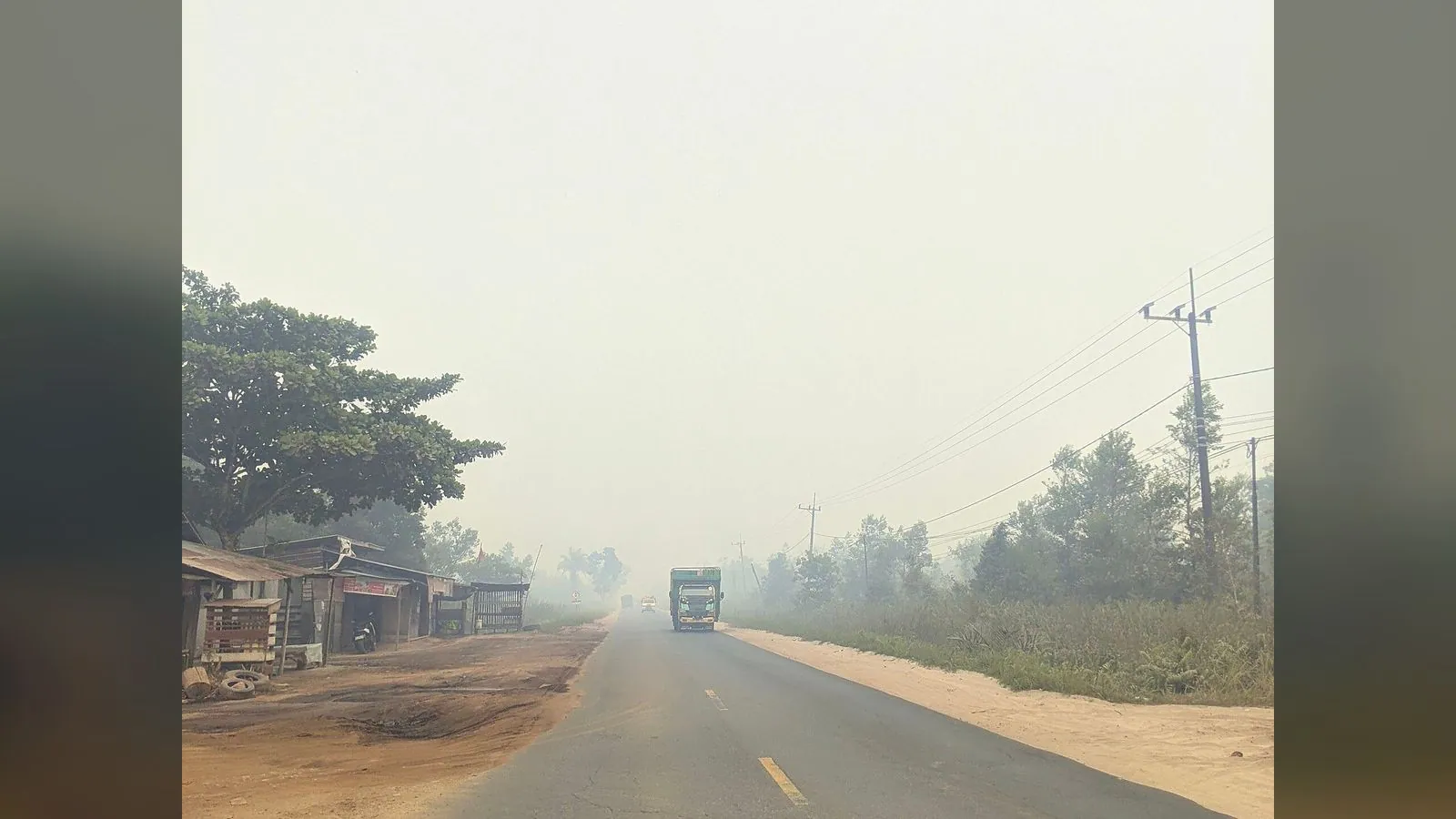
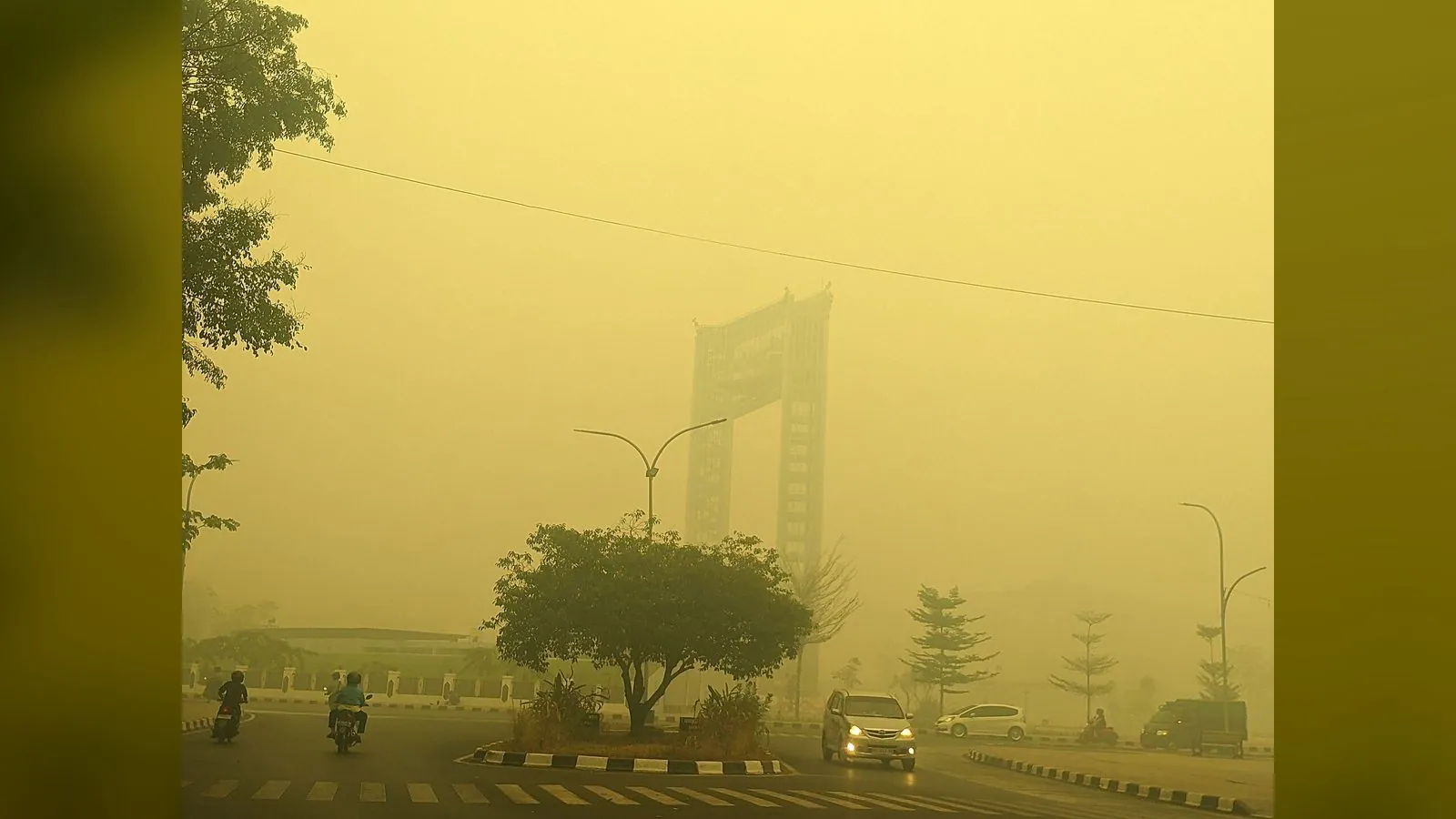
Air was still hazardous in early November and very unhealthy on 11 November. The ministry said PM2.5 readings on the morning of 3 November were 580 in East Kotawaringin and 348 in Palangka Raya, both in the hazardous category, ANTARA reported. On 11 November, as the visible haze cleared, Palangka Raya's air quality index stood at 264, which Metro TV reported as very unhealthy.
-
Fires were still burning in Central Kalimantan. The National Disaster Management Agency (BNPB) said about 254.89 hectares at 21 points in Central Kalimantan were still not handled as of 15 November, including in Tanjung Puting National Park, Kompas reported.
-
Other parts of Kalimantan have cleared. The East Kalimantan environment office said air in the province and the new capital area was good to moderate on 14 November, ANTARA reported. The environment office in Tanah Bumbu, South Kalimantan, said on 15 November that air there was good again, Banjarmasin Post reported.
The government's side
Budi attributed the fall in cases to the rain and said he hoped the situation would keep getting better. In October he also warned that air in some areas remained dangerous and urged people to stay indoors or wear masks, and said the ministry was sending masks, oxygen cylinders and oxygen concentrators to affected areas. Palangka Raya's health office said it had set up 43 round-the-clock oxygen points, ANTARA reported.
Why the verdict is partly true
The first half of the statement, that cases have fallen a long way, is supported: daily cases dropped from 10,000 to 13,000 at the peak to about 3,500 in early November, and East Kotawaringin reports a continuing decline. The second half, that almost everything is back to normal, is a judgement the published data support only in some places. East Kalimantan and parts of South Kalimantan report good air, while Palangka Raya was very unhealthy on 11 November and fires remained in Central Kalimantan on 15 November.
What we do not know
- We found no national ISPA figures published after 5 November.
- The ministry has not said what daily case level it treats as normal.
- We found no air quality reading for Palangka Raya after 11 November in the reports we read.
Sources
- 1.Tirto: Menkes Ungkap Jumlah Penderita ISPA Akibat Karhutla Turun Jauh (13 Nov 2026), tirto.id
- 2.detikHealth: Menkes Klaim Tren Kasus ISPA Terdampak Karhutla Mulai Turun (23 Oct 2026), health.detik.com
- 3.ANTARA: Kemenkes catat 401.586 kasus kumulatif Ispa akibat karhutla (4 Nov 2026), antaranews.com
- 4.Bloomberg Technoz: Kasus ISPA di Wilayah Karhutla November Tembus 425 Ribu (6 Nov 2026), bloombergtechnoz.com
- 5.ANTARA Kalteng: Kasus ISPA di Kotim mulai menurun seiring berkurangnya asap karhutla (11 Nov 2026), kalteng.antaranews.com
- 6.ANTARA: Kemenkes: ISPU di Palangka Raya dan Kotim dalam kategori berbahaya (Nov 2026), antaranews.com
- 7.Metro TV: Karhutla Kalteng Mulai Terkendali, Palangkaraya Nihil Titik Panas (11 Nov 2026), metrotvnews.com
- 8.Kompas: BNPB: 254,89 Hektare Karhutla di Kalimantan Tengah Belum Tertangani (15 Nov 2026), nasional.kompas.com
- 9.ANTARA: DLH: Kualitas udara Kaltim & IKN membaik, kategori baik hingga sedang (15 Nov 2026), antaranews.com
- 10.Banjarmasin Post: Pasca Hujan Guyur Tanahbumbu Kalsel, Kualitas Udara Membaik (15 Nov 2026), banjarmasin.tribunnews.com
- 11.ANTARA Kalteng: Dinkes Palangka Raya terus perkuat penanganan ISPA selama karhutla, kalteng.antaranews.com