Key points
- Bakom head Syahganda Nainggolan said on 10 October 2026 that the fires were beyond human error and truly nature.
- The environment ministry sealed 57 companies whose land accounted for about 34,600 hectares burned, 95% of it oil palm.
- Police named 196 individuals and 11 companies as suspects; suspects are not convicted.
- Verdict: false.
Verdict: False. An unusually strong El Nino and a long dry season did make this year's fires worse. But the government's own agencies treat the fires as caused by people: the environment ministry has sealed 57 companies over burned land, and police have named 196 individuals and 11 companies as suspects. Saying the fires were beyond human error and "truly nature" is contradicted by that record.
The claim
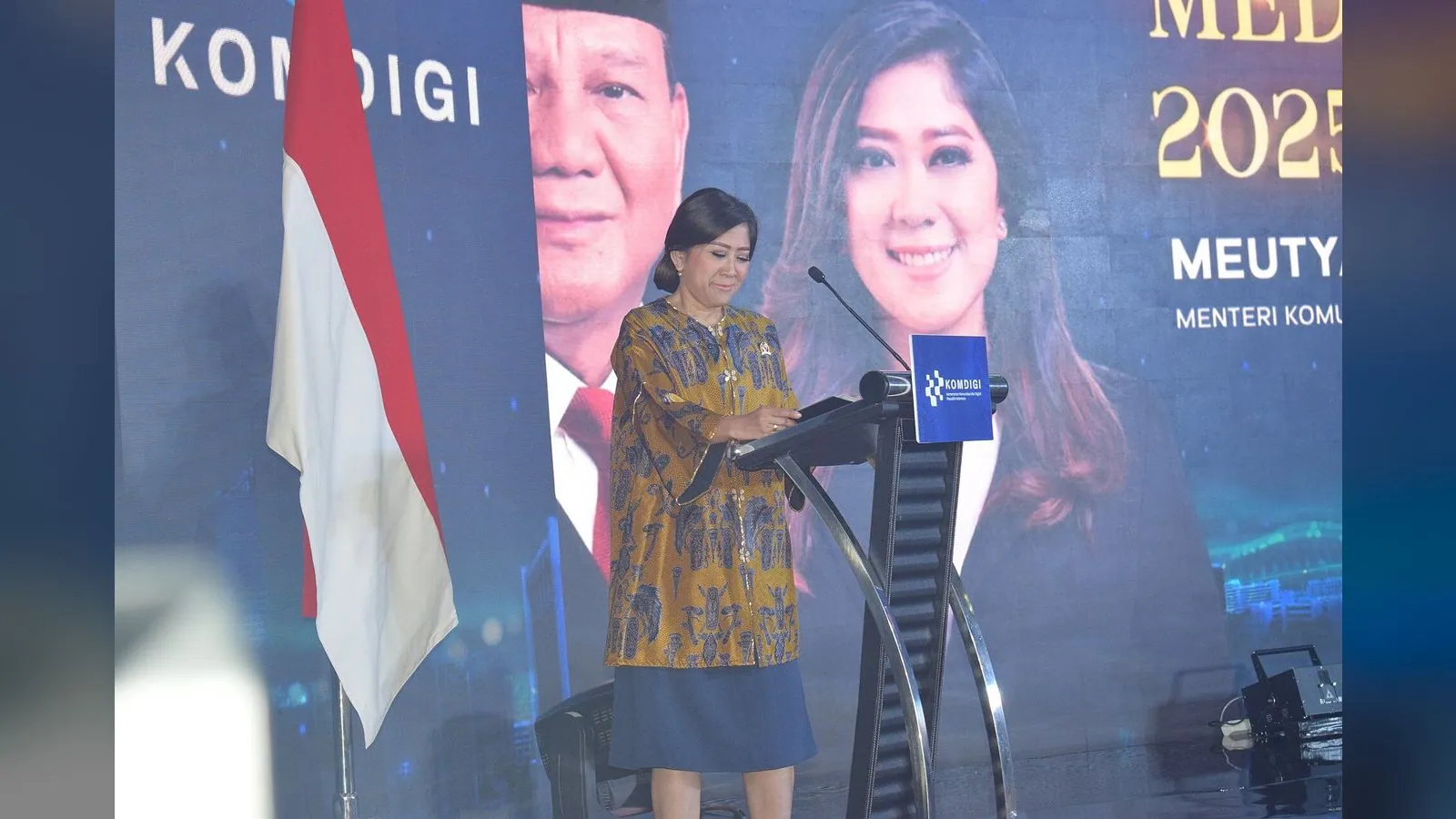
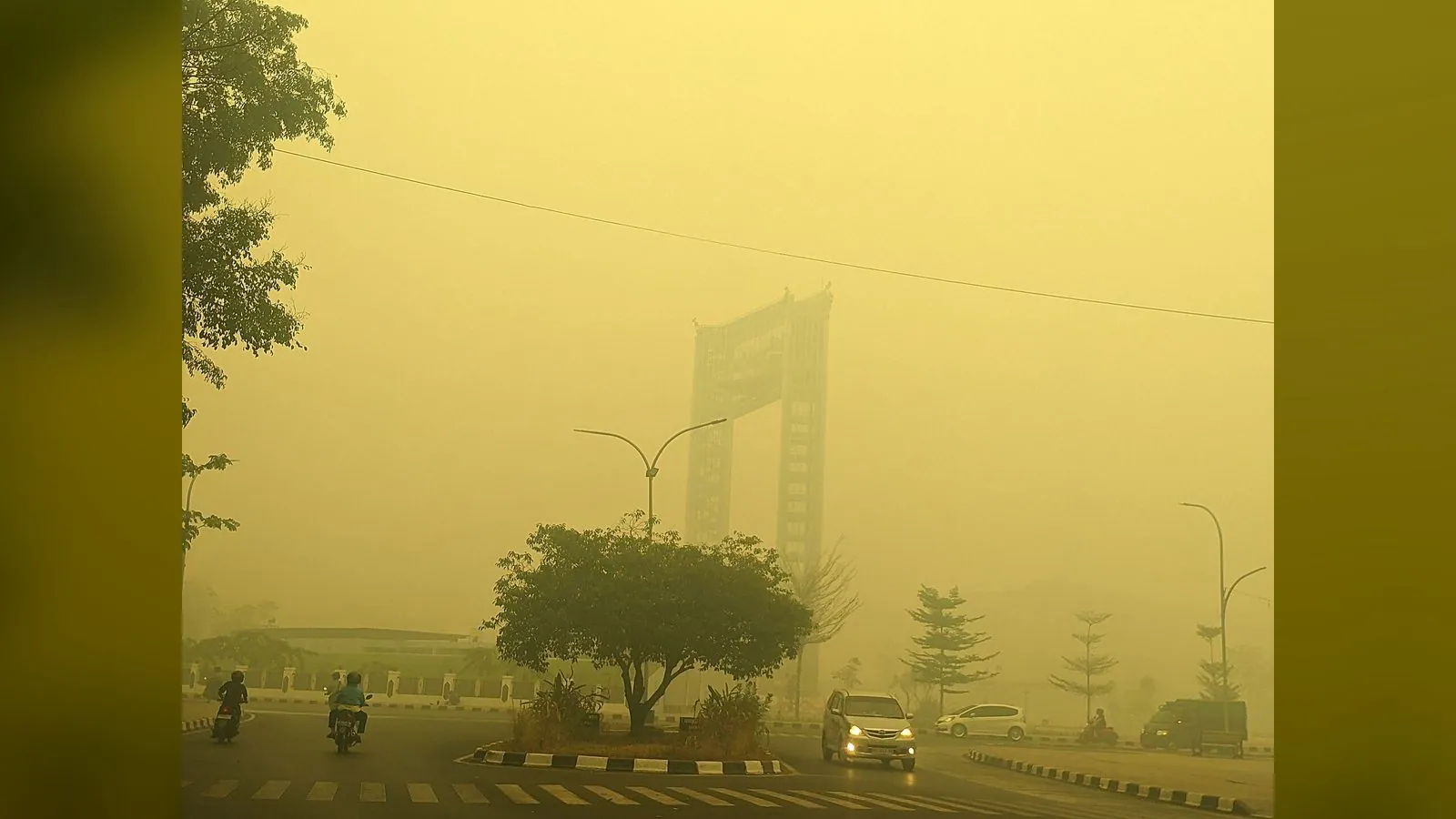
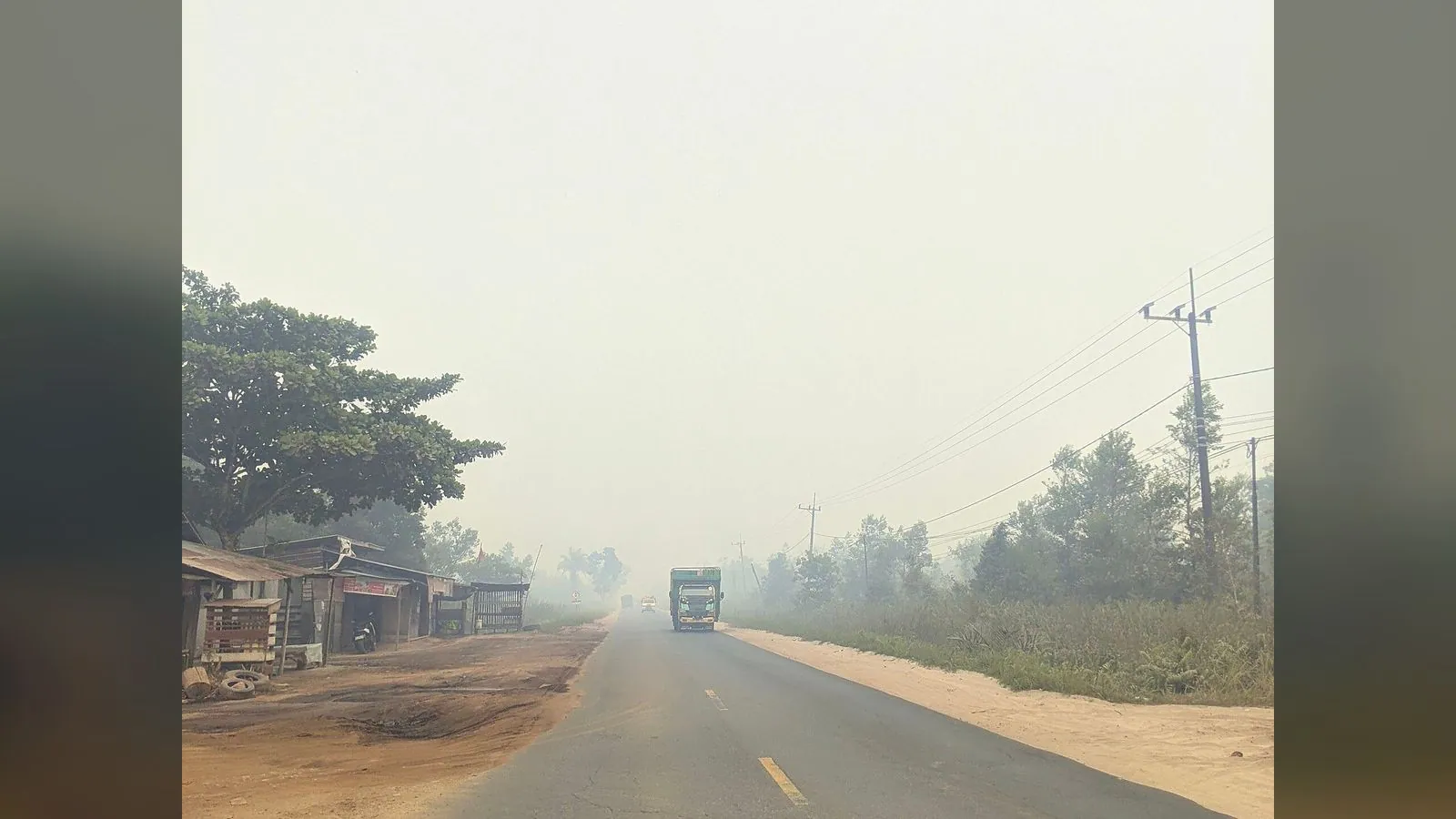
Syahganda Nainggolan, head of the Government Communication Agency (Bakom), spoke to reporters at the National Resilience Institute (Lemhannas) in Jakarta on Saturday 10 October 2026, as haze from Indonesian fires covered parts of Malaysia and Singapore. "So we also ask all our neighbours to understand that this is beyond human error, this is truly nature," he said, Kompas reported. In Indonesian: "Jadi, kita juga minta kepada semua tetangga kita untuk mengerti ini adalah di luar beyond human error, ini betul-betul alam."
He added: "We don't only send smoke. When there is no smoke, we send oxygen. Singapore's and Malaysia's oxygen comes from our forests." We found no later clarification or retraction in the reports we read.
What the record shows
-
The environment ministry sealed 57 companies over burned land. The Ministry of Environment (KLH) said on 28 September that it had sealed 57 companies in Sumatra and Kalimantan whose land accounted for about 34,600 hectares burned, Katadata reported. "Based on our analysis, 95 percent of the burned locations are oil palm plantations and almost 5 percent are sugar cane plantations," said Ardyanto Nugroho, a KLH director. Fires had recurred on the land of 17 of them.
-
Police named 196 individual suspects by late September. The national police criminal investigation agency (Bareskrim) said that as of 28 September it was handling 245 police reports against individuals over 5,100 hectares of burned land, with 196 people named as suspects, plus 96 reports on corporate liability covering 25,300 hectares, Katadata reported.
-
Eleven companies are suspects. National Police chief Suyudi Ario Seto said on 21 October that 11 companies had been named suspects, three of them foreign-owned, BBC News Indonesia reported. Being named a suspect is not a conviction.
-
Much of the burned area lies inside company permits. The monitoring group Madani Berkelanjutan estimated about 1.32 million hectares burned from January to August 2026, with the largest share, 246,035 hectares, inside oil palm plantation permits, followed by 166,208 hectares in overlapping permits and 137,116 hectares in forest utilisation permits (PBPH), BBC News Indonesia reported. Pantau Gambut counted 139,978 hotspots on peatland by mid-September, about 30 percent of them in plantation (HGU) and PBPH areas, Kompas reported. These are the groups' own estimates.
-
The official burned area jumped this year. The Ministry of Forestry's SiPongi system recorded 202,004.30 hectares burned from January to July 2026, 69 percent more than a year earlier, Kompas reported.
-
Weather played a part. The same Kompas report said the fires worsened in August and September amid a very strong El Nino and a long dry season. The coalition quoted there said climate was not the only cause and pointed to land use, permits and degraded peat. A Kompas fact check of the Bakom statement on 13 October, citing Universitas Airlangga professor Mohammad Adib, said canals that drain peat for plantations make it more flammable, and that burning to clear land is the dominant pattern in fire cases, Kompas reported.
The government's side
Syahganda said the government understood Malaysia's and Singapore's concerns and was explaining the situation and its response to both countries. Malaysia's foreign minister Mohamad Hasan said President Prabowo had accepted Malaysia's offer of help to fight the fires, Kompas reported. KLH said it would use administrative, civil and criminal sanctions against companies found to have broken the law.
Why the verdict is false
Dry weather raises fire risk, and no source we read disputes that. But the government's own enforcement agencies have acted on the basis that people and companies caused these fires: sealing 57 companies, naming 196 individuals and 11 companies as suspects, and investigating 96 corporate cases. A statement that the fires were entirely natural and beyond human error does not match that record.
What we do not know
- How many of the suspects will be charged or convicted.
- The government has not published an official burned area figure after July, BBC News Indonesia reported on 22 October.
- How much of the total burned area started on company land rather than community or state land.
Sources
- 1.Kompas: Malaysia-Singapura Dikepung Asap Karhutla, Bakom: Di Luar Human Error, Ini Betul-betul Alam (10 Oct 2026), nasional.kompas.com
- 2.Kompas Cek Fakta: Bakom Sebut Karhutla di Luar Kesalahan Manusia, Murni Alam (13 Oct 2026), kompas.com
- 3.Katadata: KLH Segel 57 Entitas Usaha Imbas Karhutla, Didominasi Perkebunan Kelapa Sawit (30 Sep 2026), katadata.co.id
- 4.BBC News Indonesia: Polisi pastikan tiga korporasi 'modal asing' jadi tersangka karhutla (22 Oct 2026), bbc.com
- 5.Kompas Lestari: Luas Karhutla 2026 Melonjak, Perbaikan Tata Kelola Lahan dan Gambut Jadi Sorotan (3 Oct 2026), lestari.kompas.com