Key points
- Abu Dhabi talks produced an agreement in principle on a prisoner exchange, not a ceasefire.
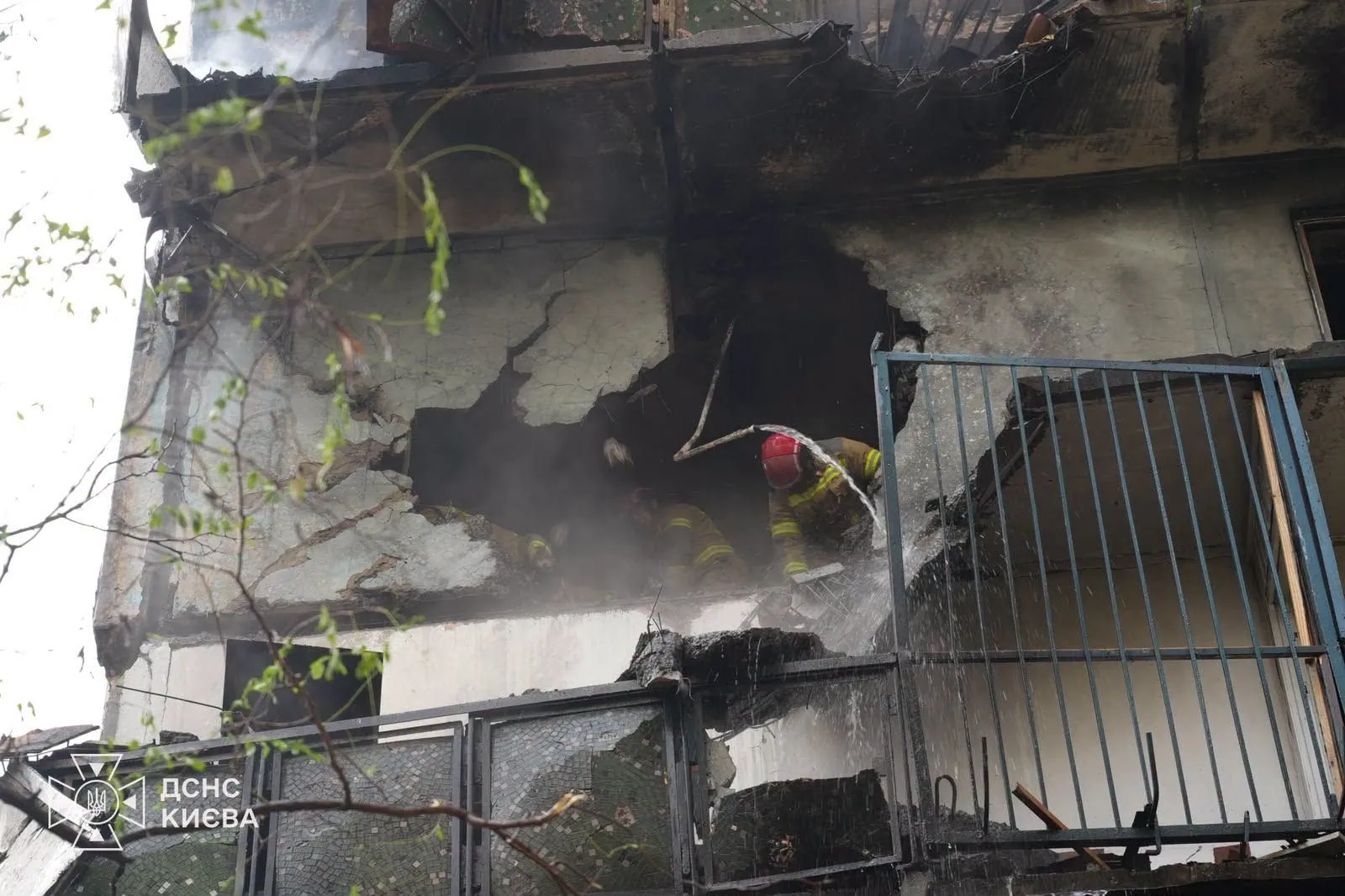
- Drone attacks continue to cause casualties and disrupt energy infrastructure.
- European governments seek a role in security arrangements, while major territorial disagreements remain.
Peace diplomacy and battlefield escalation are moving in parallel in the Russia, Ukraine war. Talks brokered by the United States have resumed after a nine-month gap, but the latest diplomatic contacts have not produced a broad ceasefire, while drone attacks continue to threaten civilians, energy supplies and shipping in the Black Sea.
Negotiators from Russia and Ukraine met in Abu Dhabi on November 10-11. The discussions yielded an agreement in principle on a major prisoner-of-war exchange, according to Reuters and the Associated Press, but left the hardest questions unresolved: territory, security guarantees and the role of European governments in a future settlement.
A humanitarian opening, but no peace agreement
The prisoner-exchange understanding offers a potential humanitarian result from the first direct U.S.-mediated talks between the delegations since February. Both sides indicated that dialogue would continue. U.S. envoy Jared Kushner said the planned exchange could become the largest humanitarian release of prisoners during the war; the final scale and implementation remained dependent on subsequent arrangements when the talks ended.
That outcome should not be mistaken for a negotiated end to the war. Moscow and Kyiv still disagree over control of occupied Ukrainian territory and the conditions needed to prevent renewed fighting. According to AP, Russia has sought Ukrainian territorial concessions, restrictions on Ukraine's armed forces and assurances concerning NATO, while Ukraine rejects the loss of its sovereignty and seeks credible guarantees against another invasion.
The United States has tried to broaden the discussion beyond a simple ceasefire toward longer-term security arrangements. That approach could help address underlying disputes, but it also increases the number of difficult questions negotiators must resolve.
Drone strikes underline the urgency
Fighting did not stop during the diplomatic push. AP reported on November 14 that Russia's Defense Ministry said Ukraine had launched nearly 1,200 long-range drones at Russian targets overnight. Ukrainian officials said they struck an oil refinery in the Volgograd region. The Russian account of the drone total is a claim by a party to the conflict and was not independently verified in that report.
The same AP report described Russian drone attacks against Ukraine, deaths and injuries on both sides, and outages in numerous Ukrainian regions following strikes on energy infrastructure. Exact battlefield claims from the opposing governments can be difficult to independently establish in real time, but the reports point to continuing civilian and infrastructure risks as winter approaches.
A separate concern emerged in the Black Sea. Reuters reported on November 15 that drones struck three commercial ships near Romania's Sulina canal. Romanian officials said no crew members were killed and did not identify who launched the drones. Two vessels were reportedly hit in Romanian territorial waters, underscoring the danger to commercial navigation near a NATO member without establishing responsibility for those attacks.
Europe wants a seat at the table
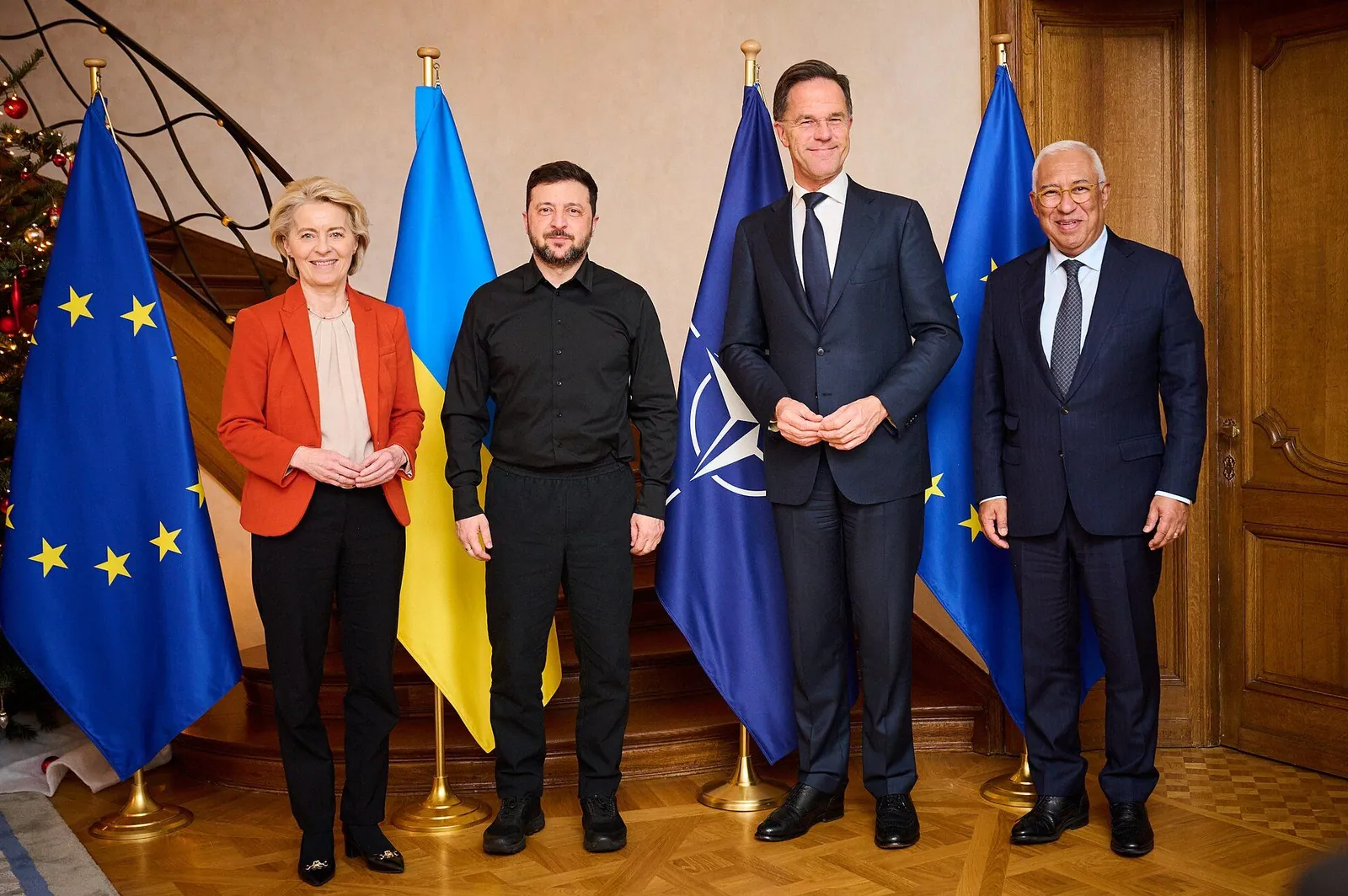
The question of who can shape a settlement has become part of the negotiations themselves. European leaders insist that any agreement affecting Ukraine's sovereignty and Europe's security cannot be determined without the parties most directly affected.
After an informal meeting on November 13, European Council President António Costa said the European Union and five countries, France, Germany, Italy, Poland and the United Kingdom, would coordinate Europe's contribution to the diplomatic process. He emphasized that decisions about Ukrainian territory belong to Ukraine and that security guarantees must be considered in coordination with NATO.
Russia, by contrast, has objected to a direct European role and sought wider discussions about NATO's posture. These competing positions complicate efforts to turn working-level diplomacy into a durable political agreement.
What could happen next
There are three developments to watch. First is whether the prisoner exchange is implemented and its final scale confirmed. Second is whether future talks narrow differences over territory and enforceable security guarantees. Third is whether the sides take any verifiable steps to reduce attacks on civilians and essential infrastructure.
A prisoner swap would be meaningful for the people released and their families. But it is not the same as a ceasefire, much less a comprehensive peace deal. For now, the strongest evidence points to an active negotiating channel operating alongside an active and dangerous war.
Sources
- 1.Reuters, Nov. 11: Russia and Ukraine reach deal on prisoner swap as talks end, investing.com
- 2.AP, Nov. 14: Ukraine launches nearly 1,200 drones at Russia as US-led talks consider European security, apnews.com
- 3.Reuters, Nov. 15: Three ships struck by drones in Black Sea near Romanian canal, reuters.com
- 4.European Council, Nov. 13: Informal meeting of heads of state or government, consilium.europa.eu
- 5.AP, Nov. 9: US-led peace talks to look at security guarantees for both sides, apnews.com